
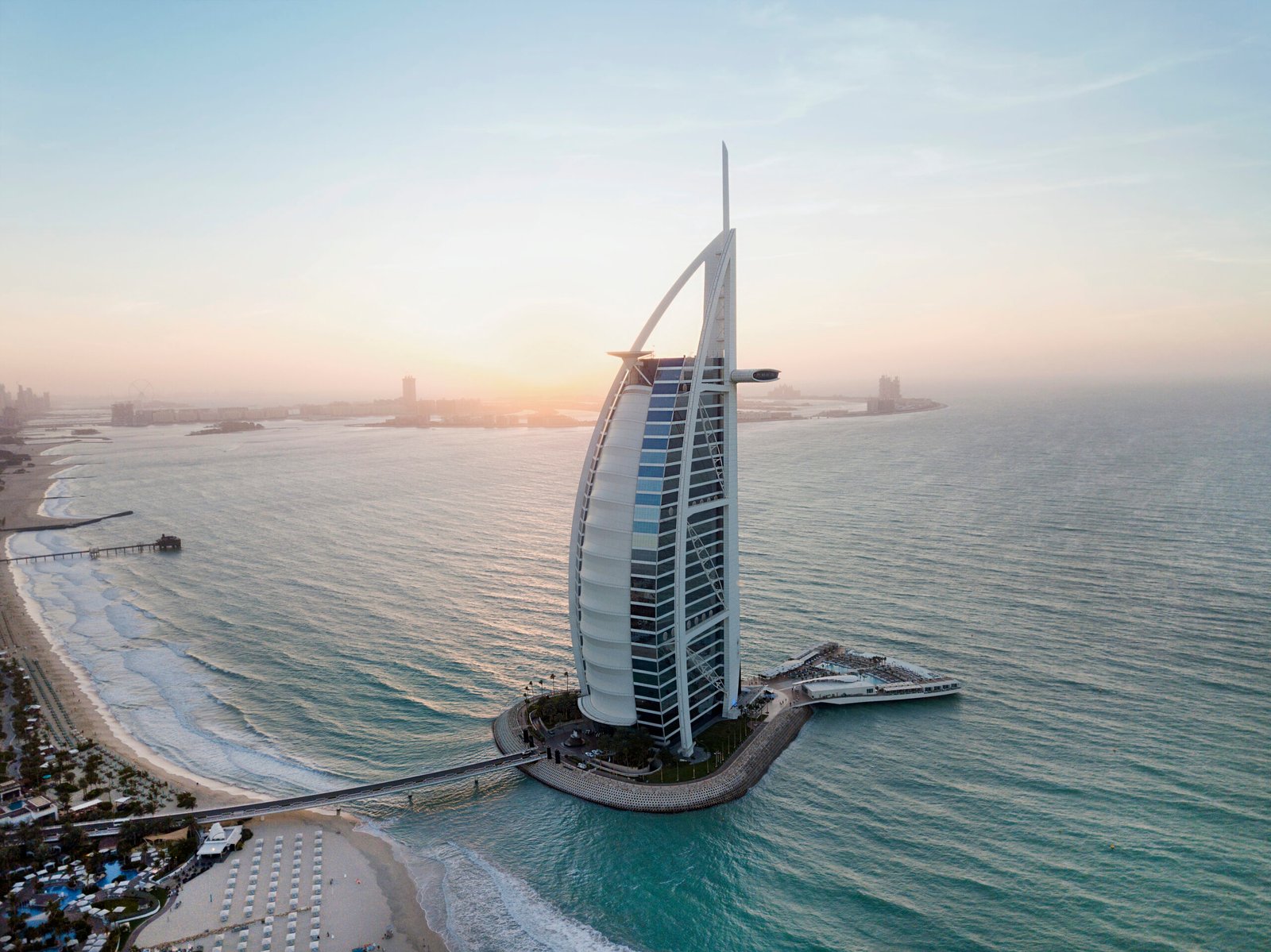
After more than a quarter of a century defining the skyline of Dubai, Jumeirah Burj Al Arab has closed its doors for an 18-month restoration, marking the first time the city’s most recognisable landmark pauses to reconsider itself. Since opening in 1999, the city’s coveted hotel has transcended hospitality to become a cultural symbol, and an architectural shorthand for Dubai’s audacious ascent. Conceived to mirror the billowing sail of a traditional dhow, its silhouette is etched into the global imagination, as synonymous with the emirate as ambition itself.
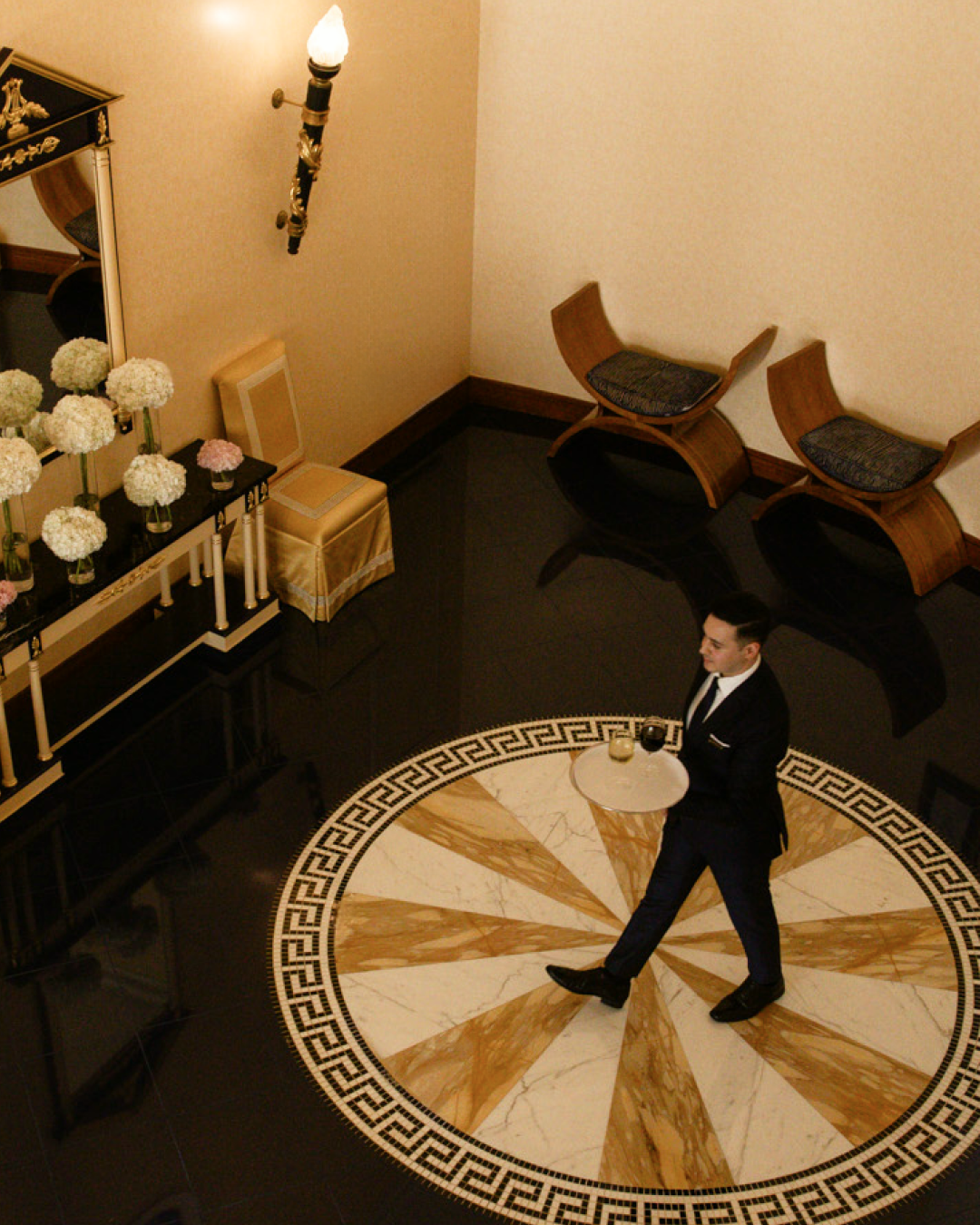
Inside, spectacle has always been the language. A 180-metre atrium, still among the tallest of its kind, rises in a theatrical crescendo of colour and light. Cascading fountains and aquariums populated with hundreds of marine species animate the base, while interiors shimmer with 24-carat gold leaf, thousands of Swarovski crystals, and expanses of rare Statuario marble, the same material favoured by Michelangelo. The effect is unapologetically maximalist, a deliberate rejection of restraint in favour of immersion.
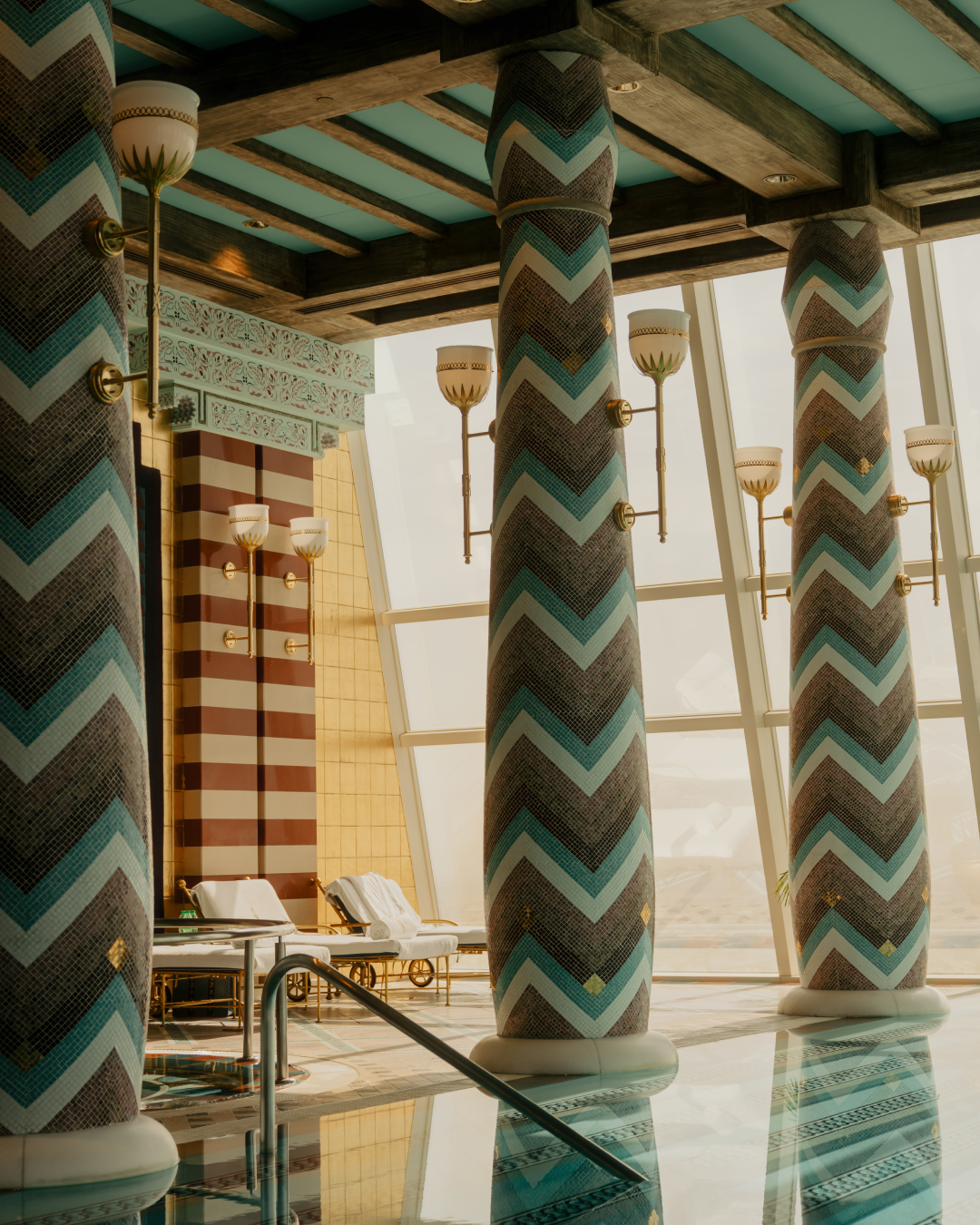
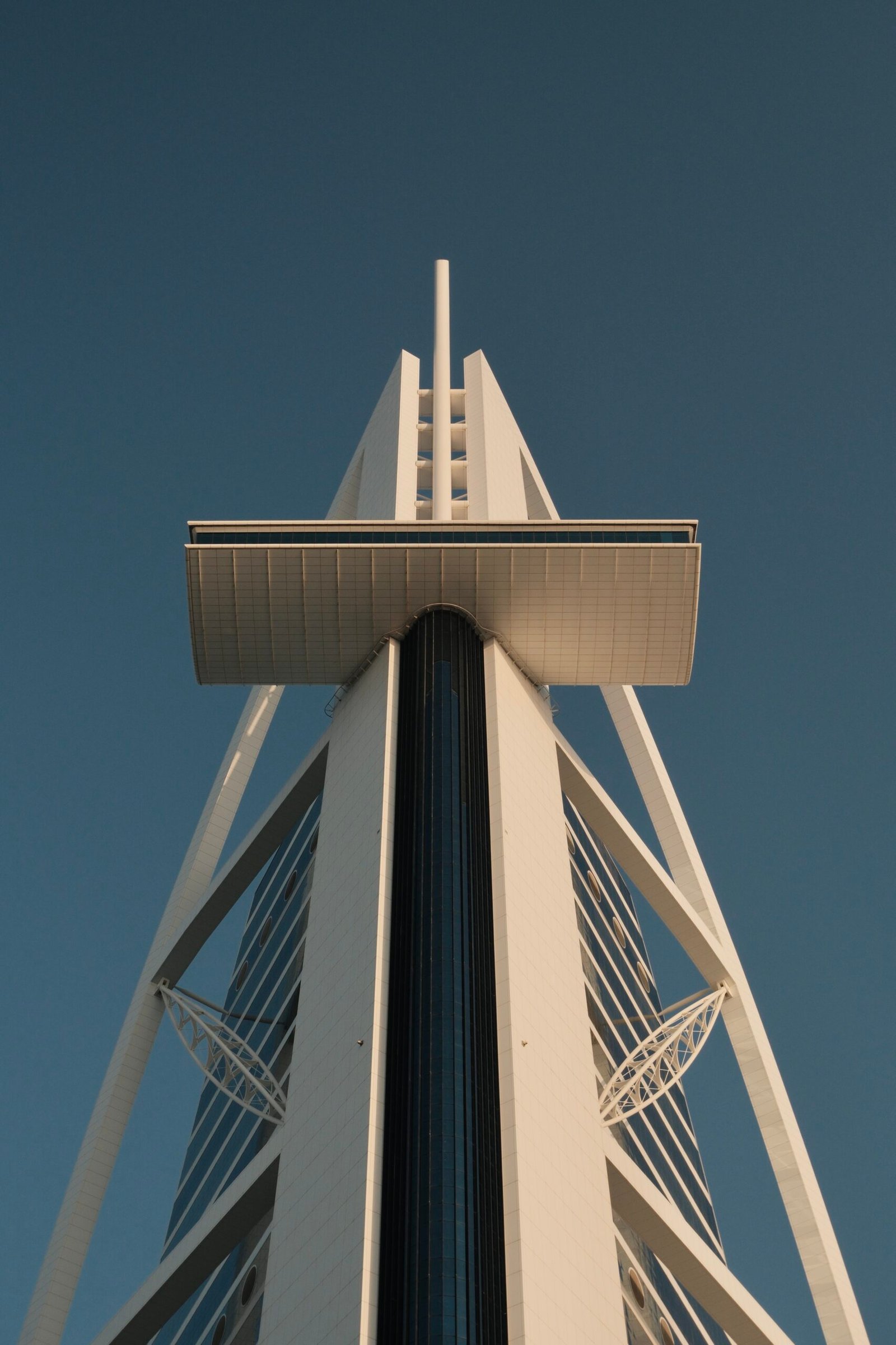
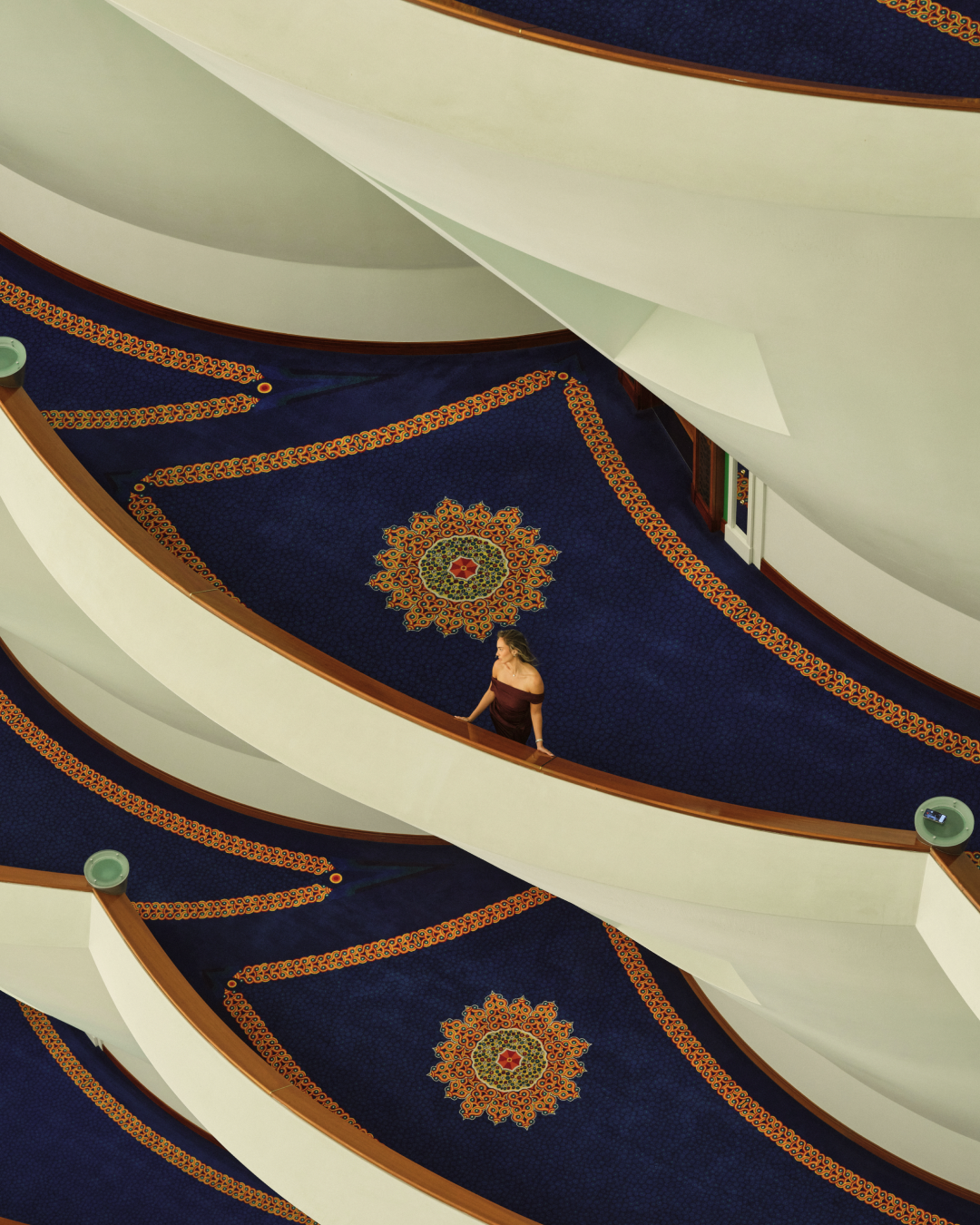
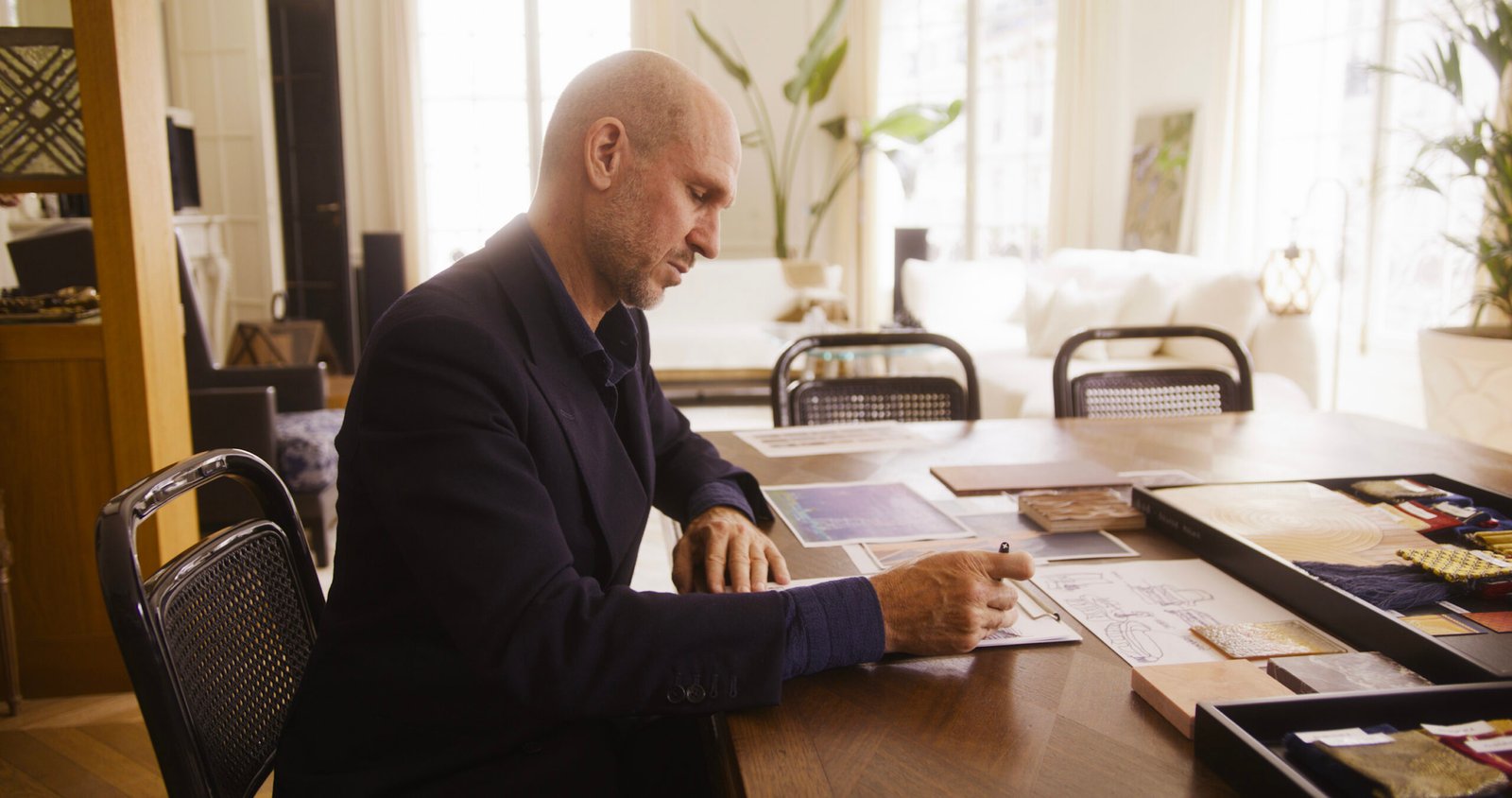
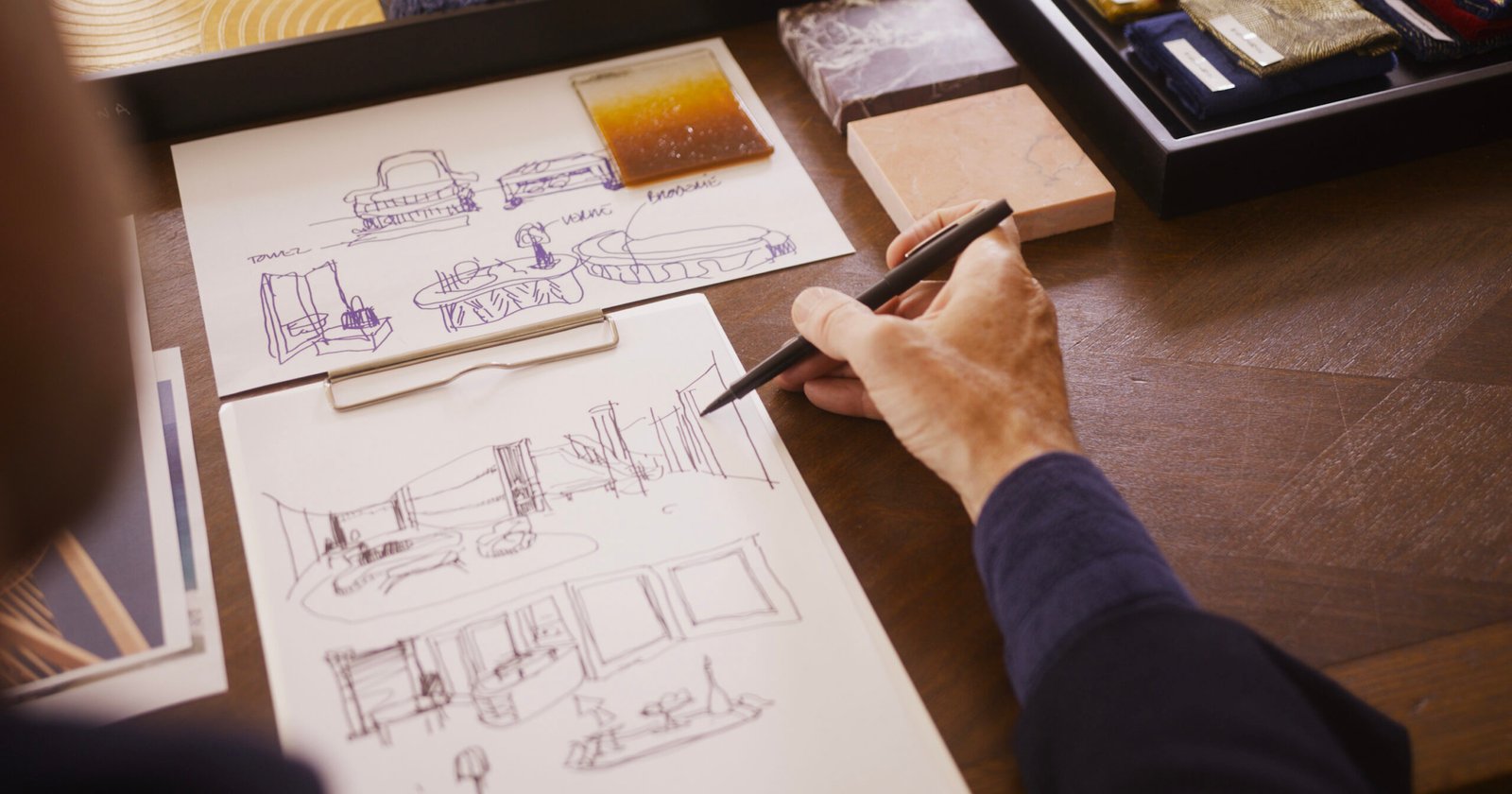
It is precisely this identity that celebrated French interior architect Tristan Auer has been tasked with preserving. Known for his work on storied European institutions such as the Hôtel de Crillon and the Carlton Cannes, Auer brings a sensibility rooted in heritage, craftsmanship, and contemporary refinement. Over the course of two years, Auer has worked closely with Jumeirah and Dubai Holding to map out a restoration that is both reverential and forward-looking. Initially commissioned to redesign the hotel’s spa, his remit quickly expanded to encompass the entire property, an undertaking that demands precision as much as imagination.
The forthcoming transformation will not dilute the hotel’s signature opulence. Instead, it will refine it. Expect discreet technological upgrades, subtle material enhancements, and a renewed emphasis on artisanal detail. In a city that often equates newness with progress, the Burj Al Arab’s approach is notably a different restoration of identity, rather than a departure from it. Its legacy, after all, is unmatched.
Yet its closure does not occur in isolation. In light of the regional conflict, across Dubai’s hospitality landscape, a number of high-profile properties—including the Armani Hotel Dubai and The St. Regis The Palm—have also announced their temporary closure for renovation, reflecting a broader recalibration of the city’s tourism offering amid shifting regional dynamics.