
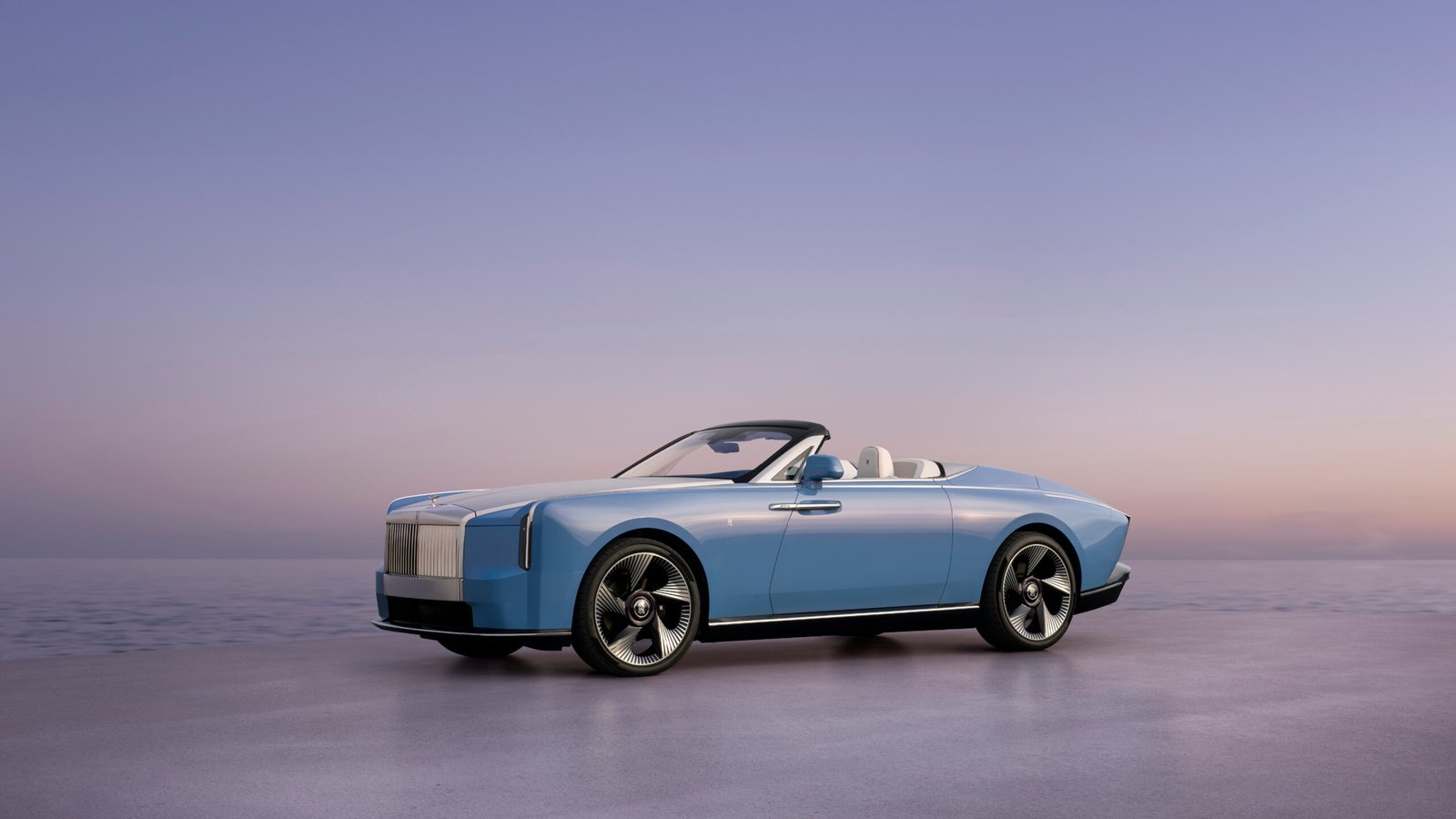
Rolls-Royce Motor Cars unveils Project Nightingale, its inaugural Coachbuild Collection, positioning bespoke automotive design within a new, more contemplative realm of luxury. Drawing from the marque’s rare ‘EX’ experimental models of the 1920s and named after Le Rossignol—the Côte d’Azur residence created by Sir Henry Royce for his engineers—the open-top two-seater merges heritage with a distinctly modern sensibility, where innovation is expressed through silence, proportion, and an uncompromising commitment to form.
That tension between past and present sits at the heart of the project. Early experimental Rolls-Royce models serve as a conceptual anchor, informing a new visual language built on three ideas: a strong vertical front that flows seamlessly into an elongated rear; a central ‘fuselage’ line that cocoons the occupants; and sculptural volumes that pull the eye backwards, giving the car a sense of motion even when still. The proportions are intentionally exaggerated. At nearly six metres long, the car feels expansive, yet the cabin remains intimate, just two seats set deep within the body.
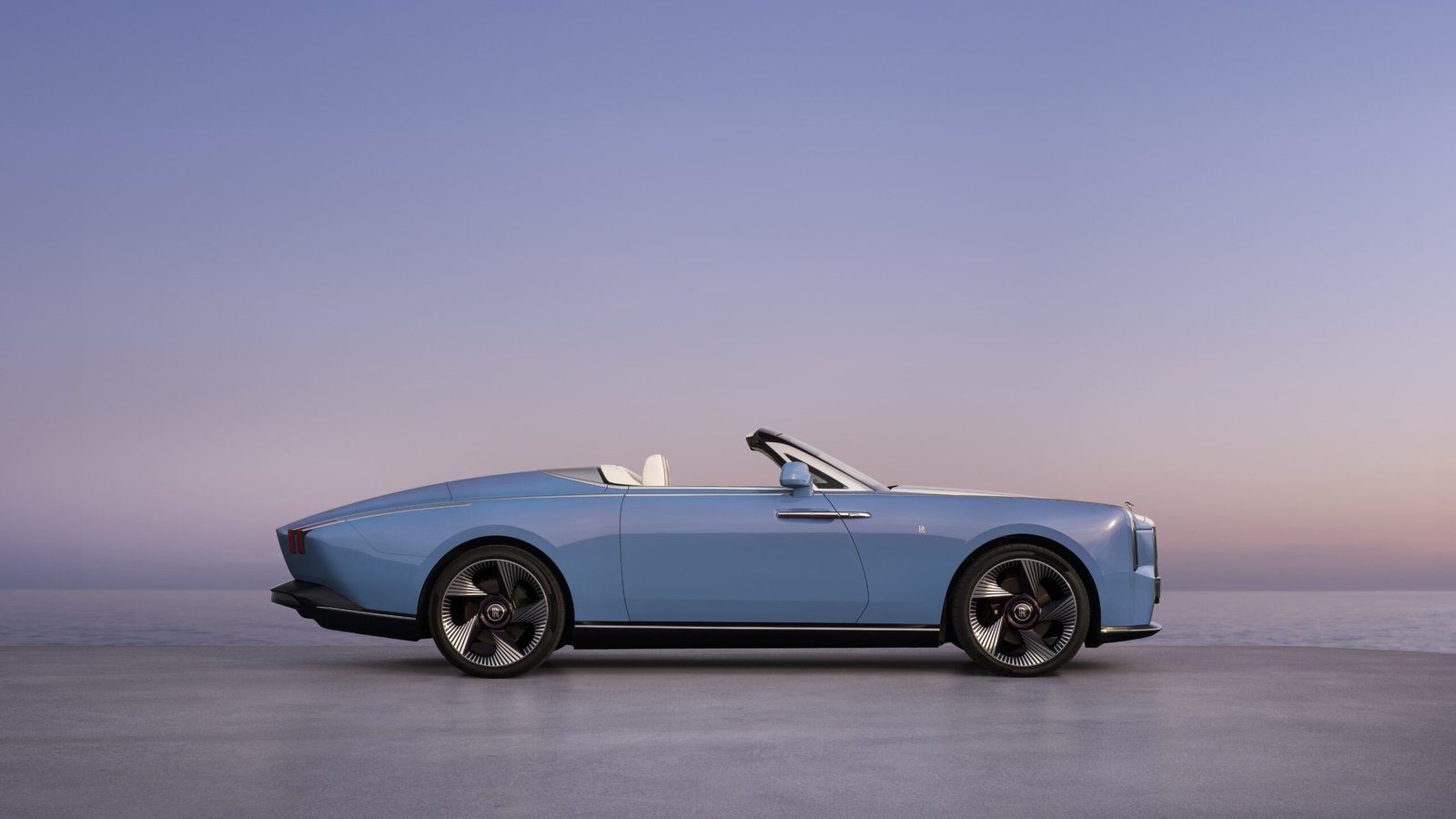
Fully electric, Project Nightingale strips away the mechanical soundtrack typically associated with luxury driving. With the roof down, the experience becomes almost sensory-led, the sound of wind reduced to a whisper, replaced by ambient details that would usually go unnoticed. Designers describe hearing birds with unusual clarity during early drives, a moment that ultimately informed both the car’s name and its interior concept.
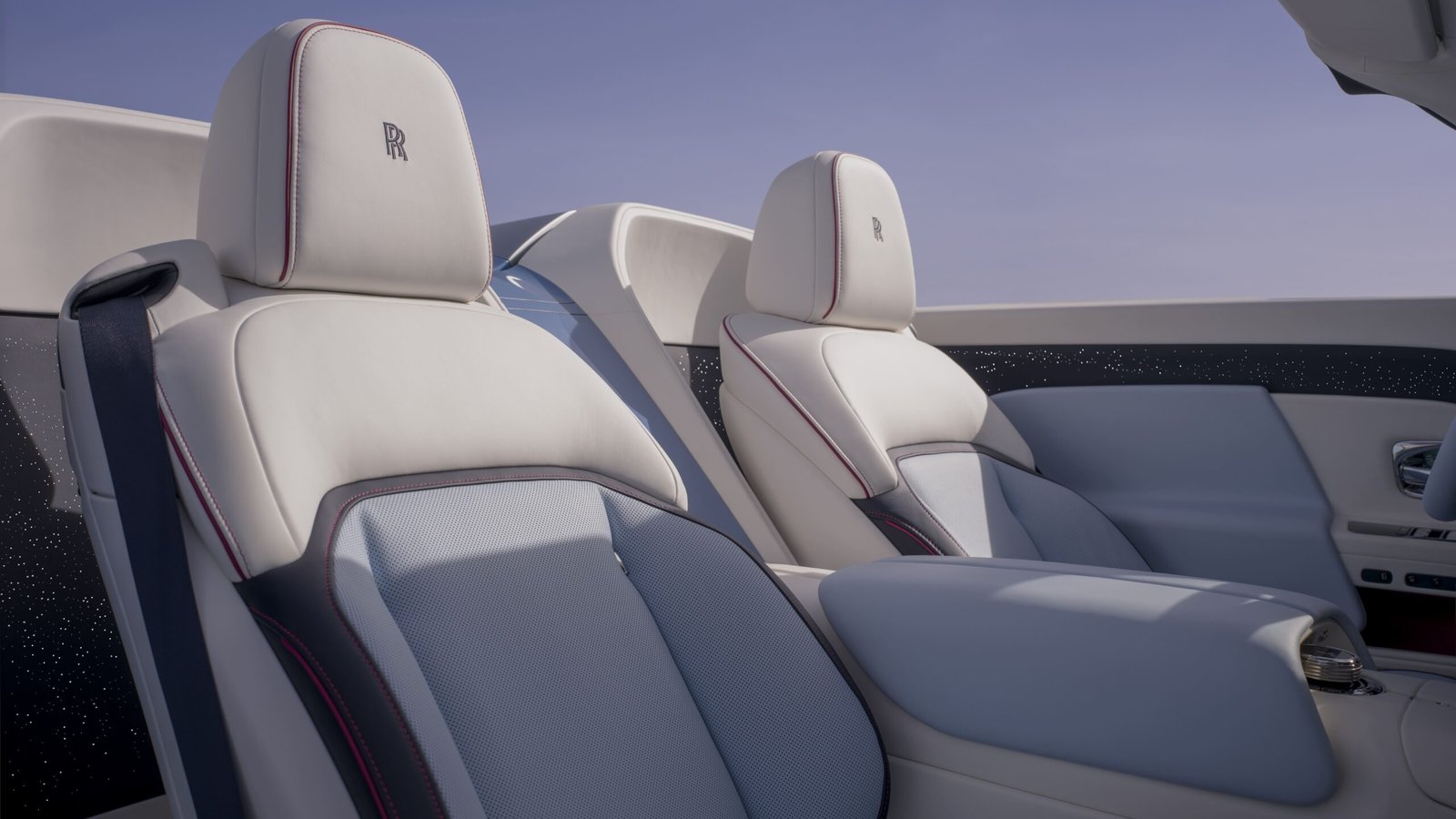
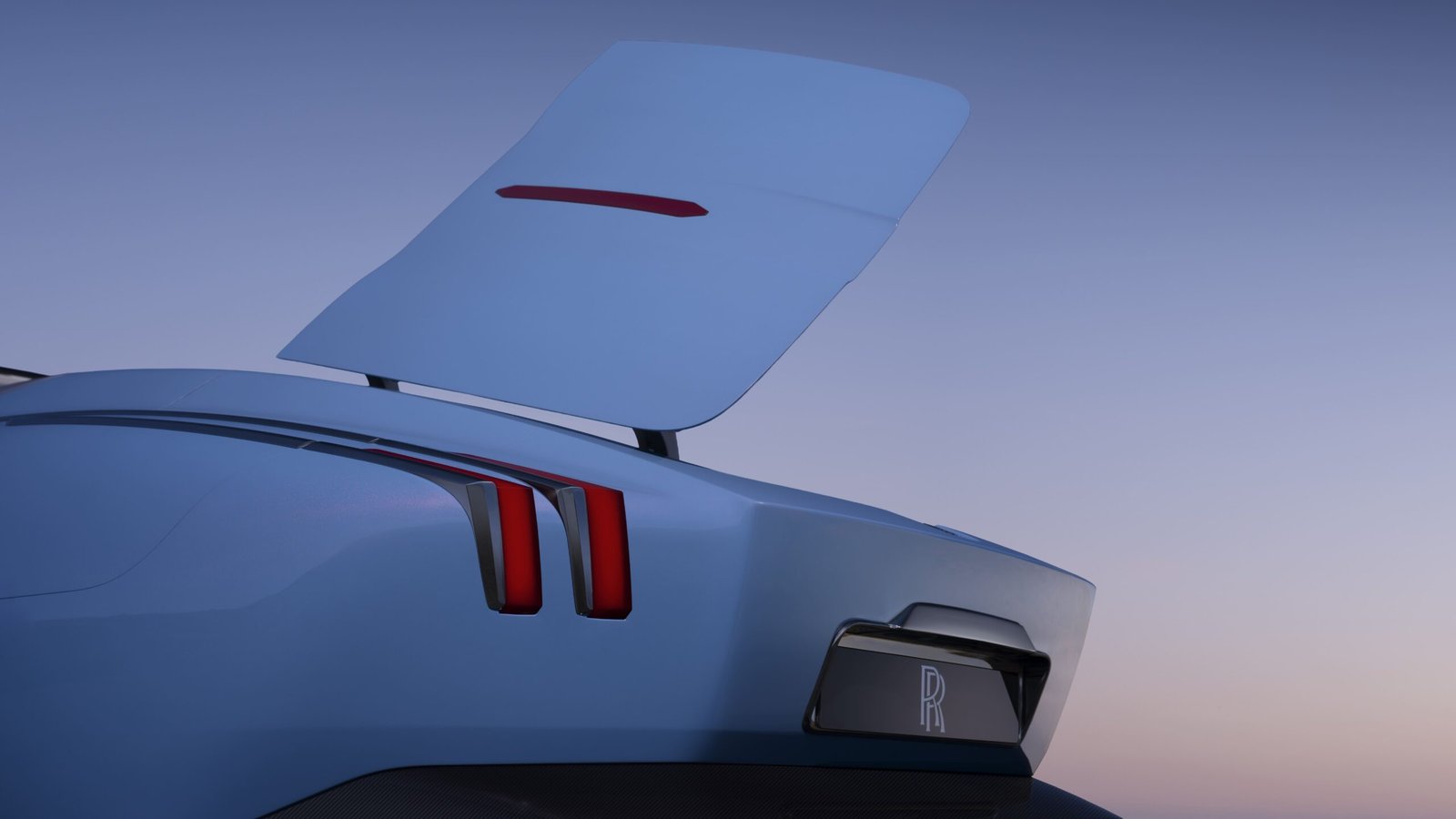
Inside, that idea is translated into light. Thousands of tiny illuminated points are arranged across the cabin in patterns inspired by birdsong. Materiality follows the same philosophy. A central leather armrest runs through the cabin with precision, and controls are minimal, tactile, and jewel-like in their execution. Even the most functional elements have been reimagined. The rear boot opens with the theatricality of a grand piano lid, transforming a practical gesture into something ceremonial. A single vertical brake light cuts through the rear with graphic clarity, echoing the streamlined aesthetics of early modernist design.
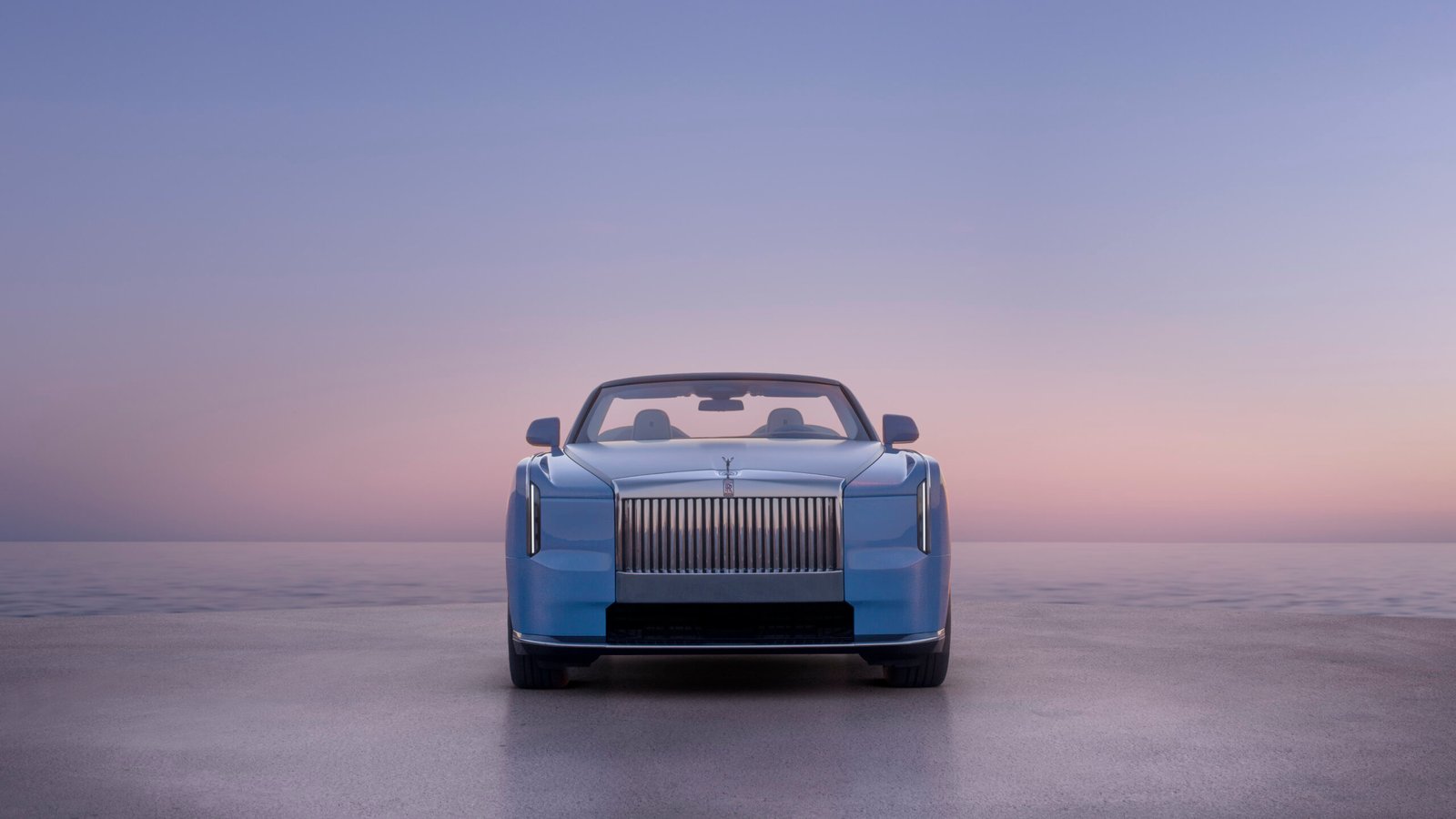
Only 100 examples of Project Nightingale will ever exist, each created through Rolls-Royce’s Coachbuild programme in close collaboration with its owner. But the car itself is almost secondary to what it represents: a different kind of luxury mindset. Because Project Nightingale isn’t trying to be louder, faster, or more visible. If anything, it argues the opposite, that the most powerful expressions of design today are the ones that know when to step back.