
There are certain ideas in jewellery that become so familiar, so deeply embedded in the visual language of luxury, that it is easy to forget how radical they once were. Happy Diamonds is one of them. Today, a diamond spinning freely inside a Chopard creation is immediately recognisable, it is playful, kinetic and unmistakably Chopard. But in 1976, when the Maison first introduced the concept, allowing precious stones to move freely was a provocation. Diamonds were, after all, traditionally objects of absolute control, cut with extraordinary precision, set meticulously and secured firmly in place. Chopard had other ideas.
The inspiration came from nature, notably, in Germany’s Black Forest, and how sunlight fractured through the spray of a waterfall creating fleeting points of brilliance that appeared, disappeared and shifted with the movement of the water. Chopard sought to capture that same phenomenon in a jewel. Thus came diamonds suspended inside proprietary gold capsules, held between two sapphire crystals and left free to spin, glide and move with the wearer, and a collection of contemporary jewellery’s most enduring signatures was born.
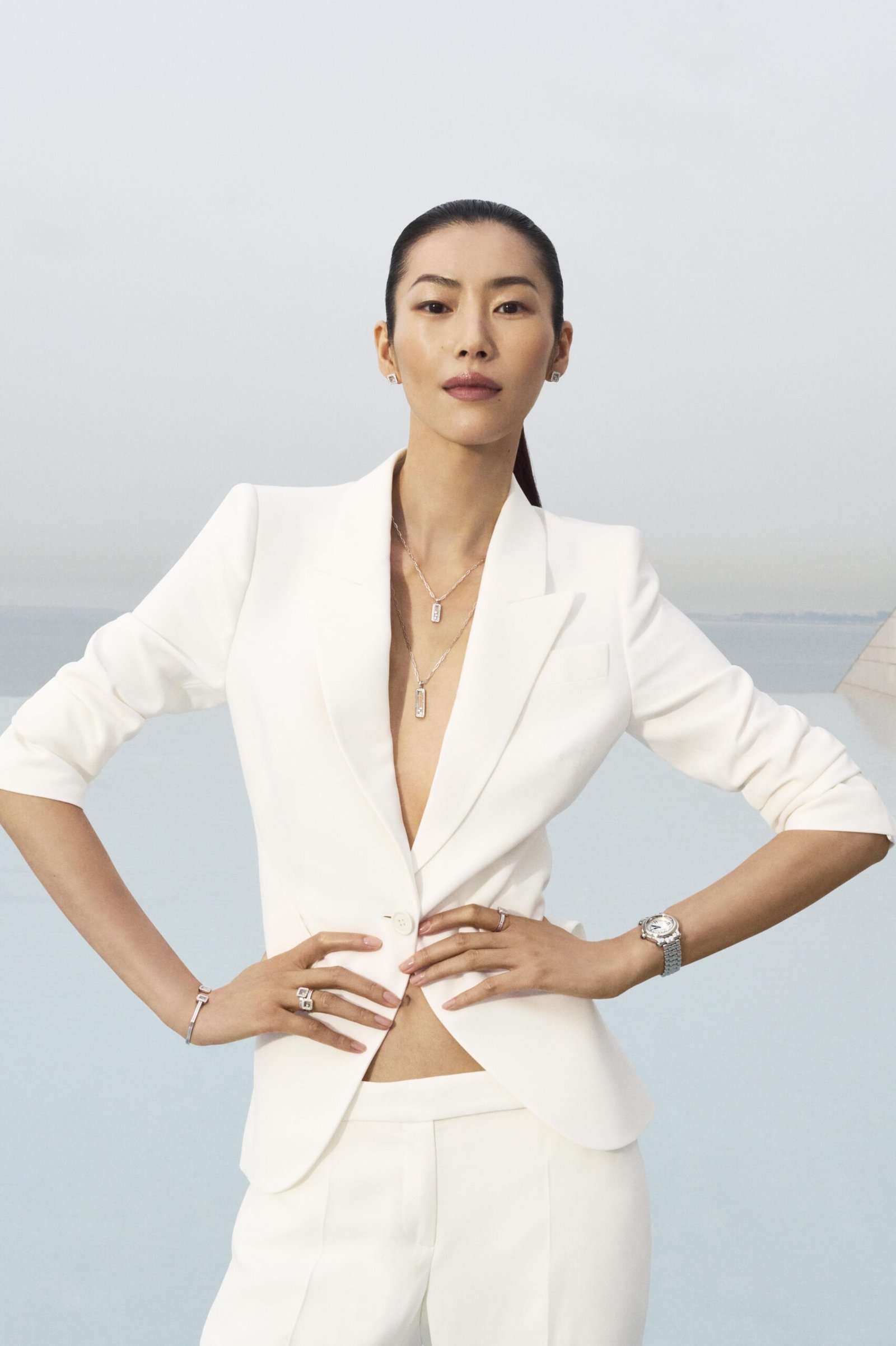
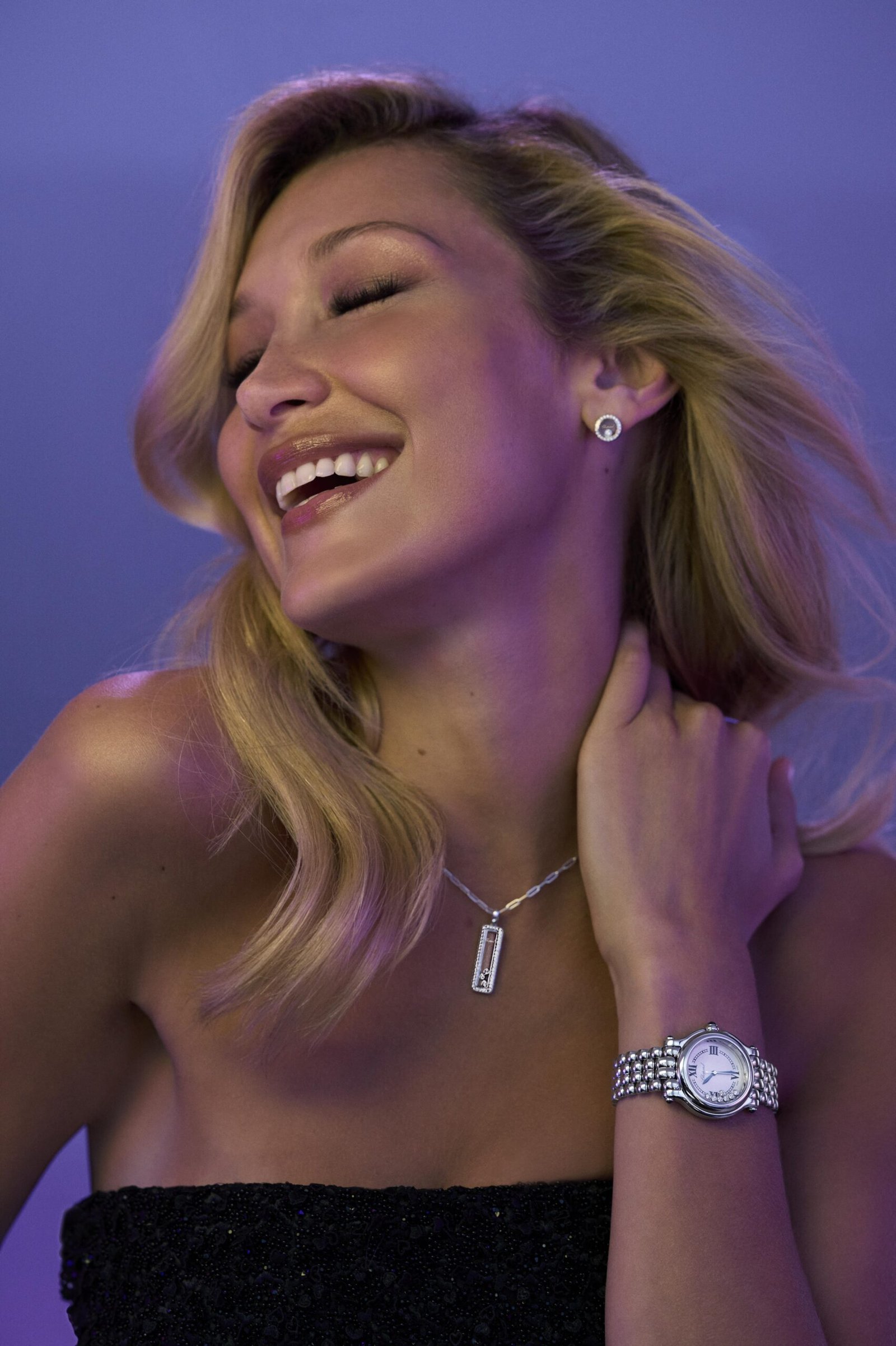
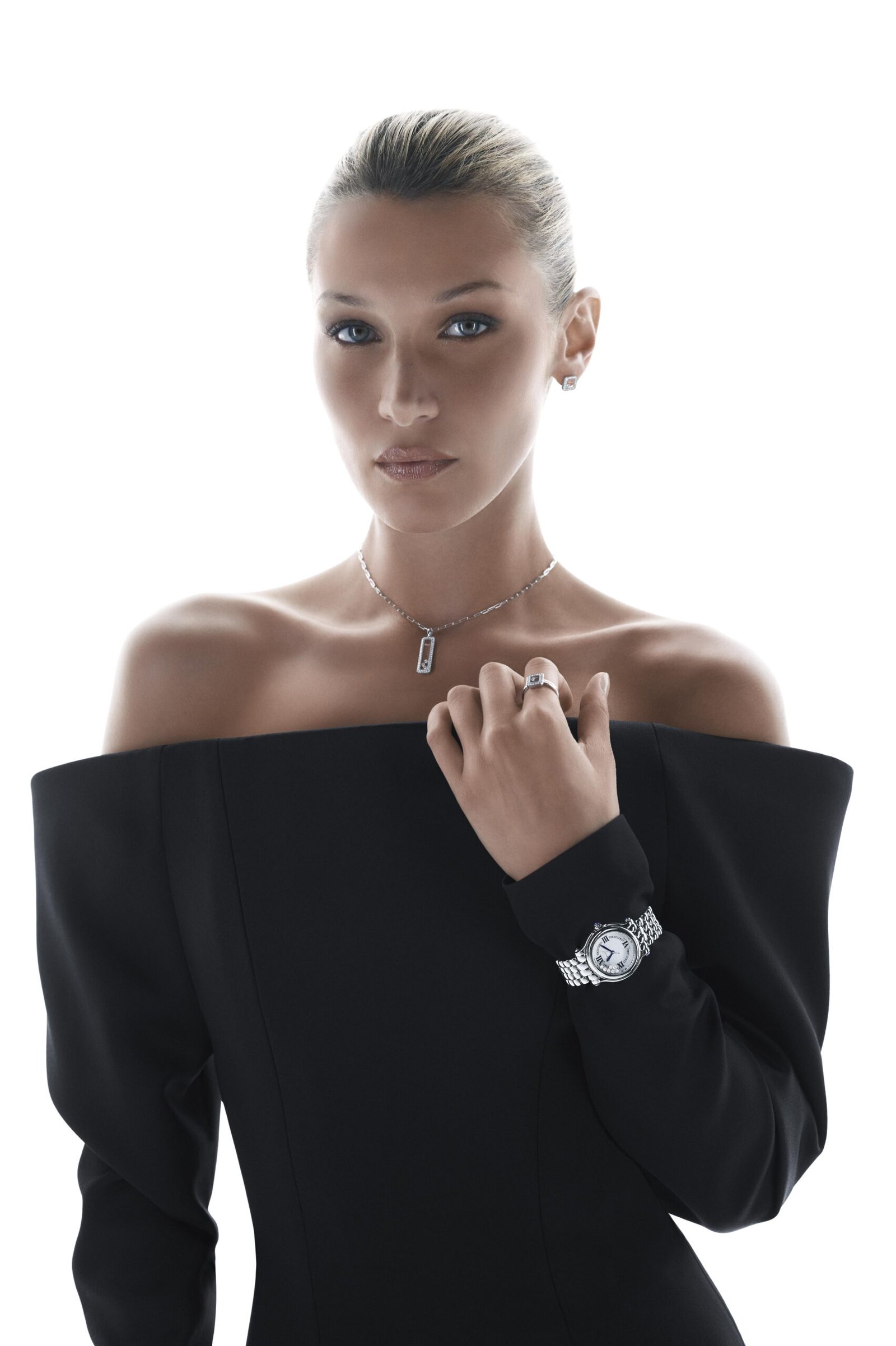
What made Happy Diamonds remarkable was the emotion behind it. In a world of immaculate symmetry and painstaking precision, Chopard introduced an element of chance. No two movements are quite the same and the diamonds gather, separate, tumble towards the edge of the case and suddenly reappear somewhere else. That relationship between precision and freedom has remained at the heart of Happy Diamonds for five decades, evolving through watches, jewellery and increasingly elaborate interpretations without losing the irreverent spirit of the original. For 2026, Chopard marks the collection’s 50th anniversary by returning to two important chapters in its history: the Happy Sport and the rectangular Happy Diamonds pendant.
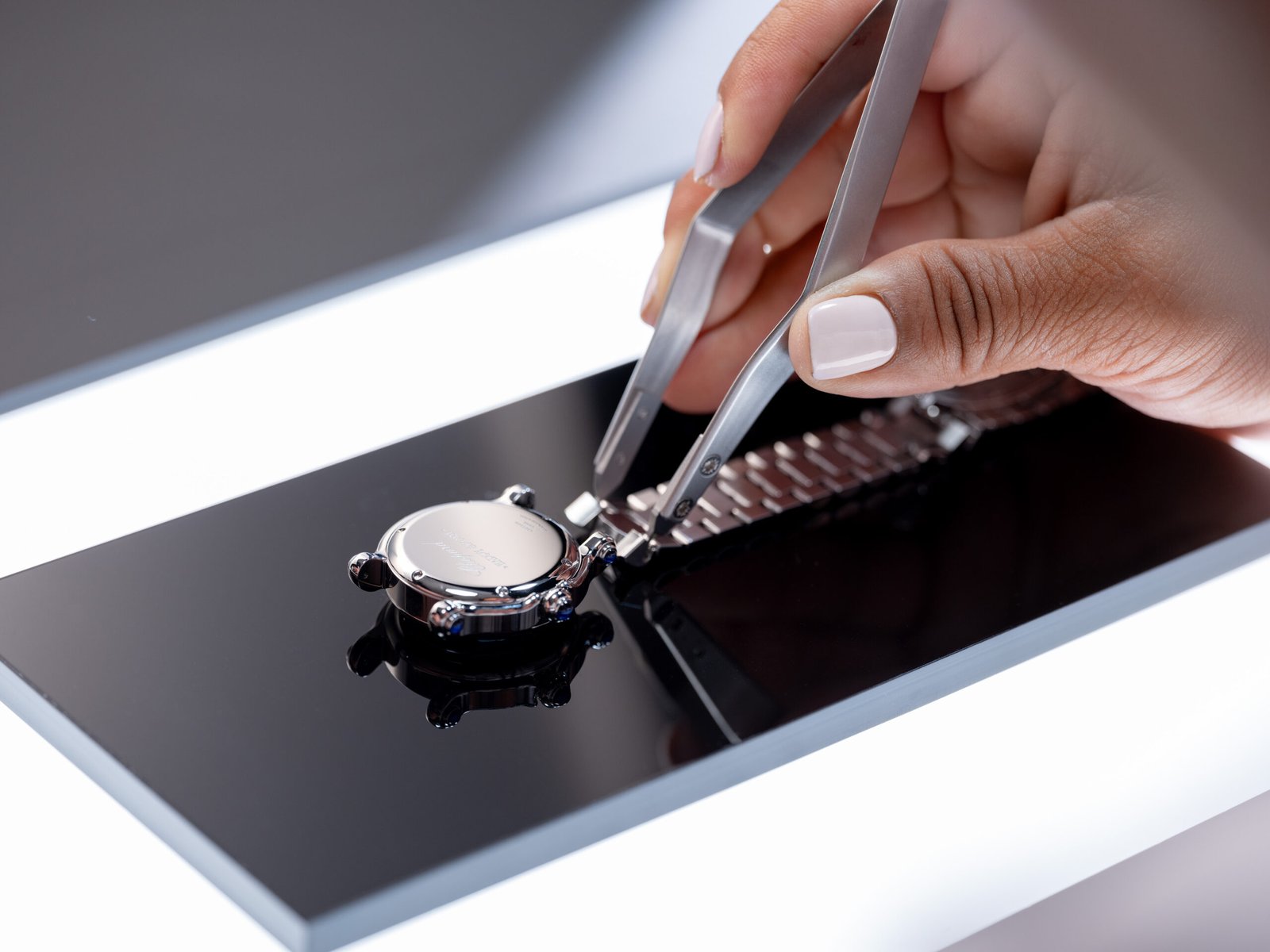
Perhaps the most significant anniversary release is Happy Sport The First, a contemporary reinterpretation of Caroline Scheufele’s original Happy Sport, introduced in 1993. Scheufele’s proposition was, in its own way, just as disruptive as the original Happy Diamonds concept. She brought together steel and diamonds at a time when the two materials were still largely considered to belong to different worlds.
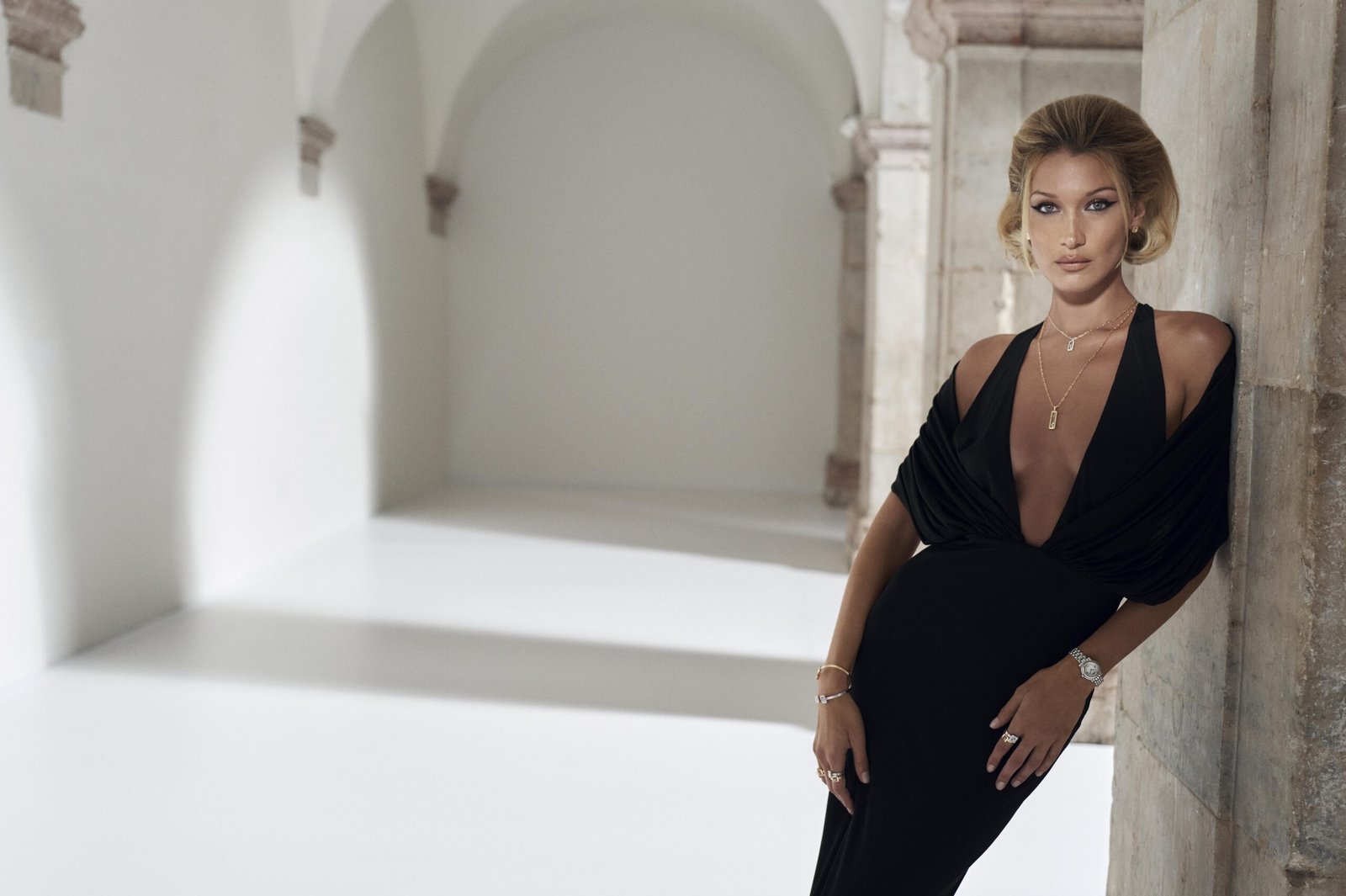
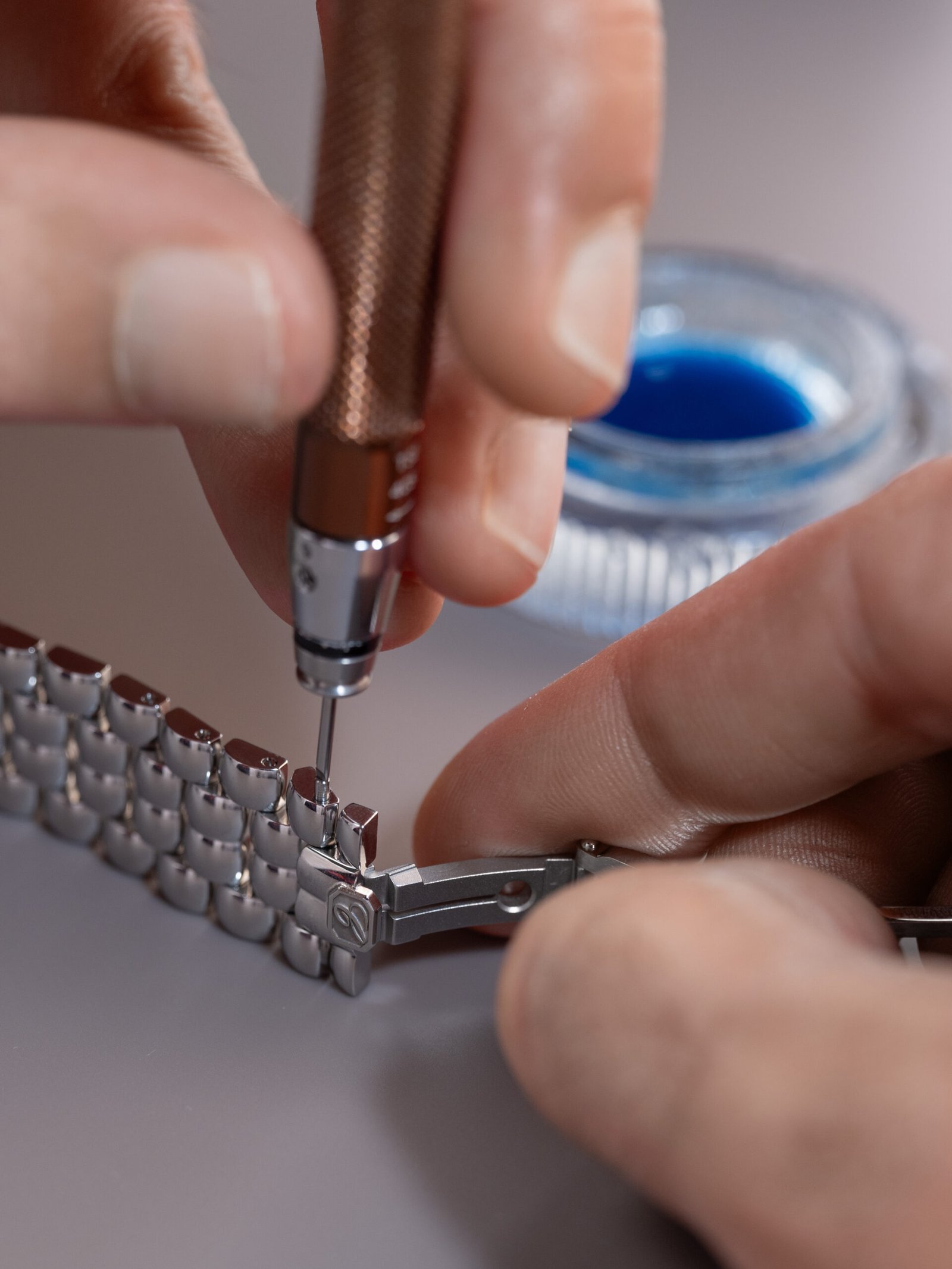
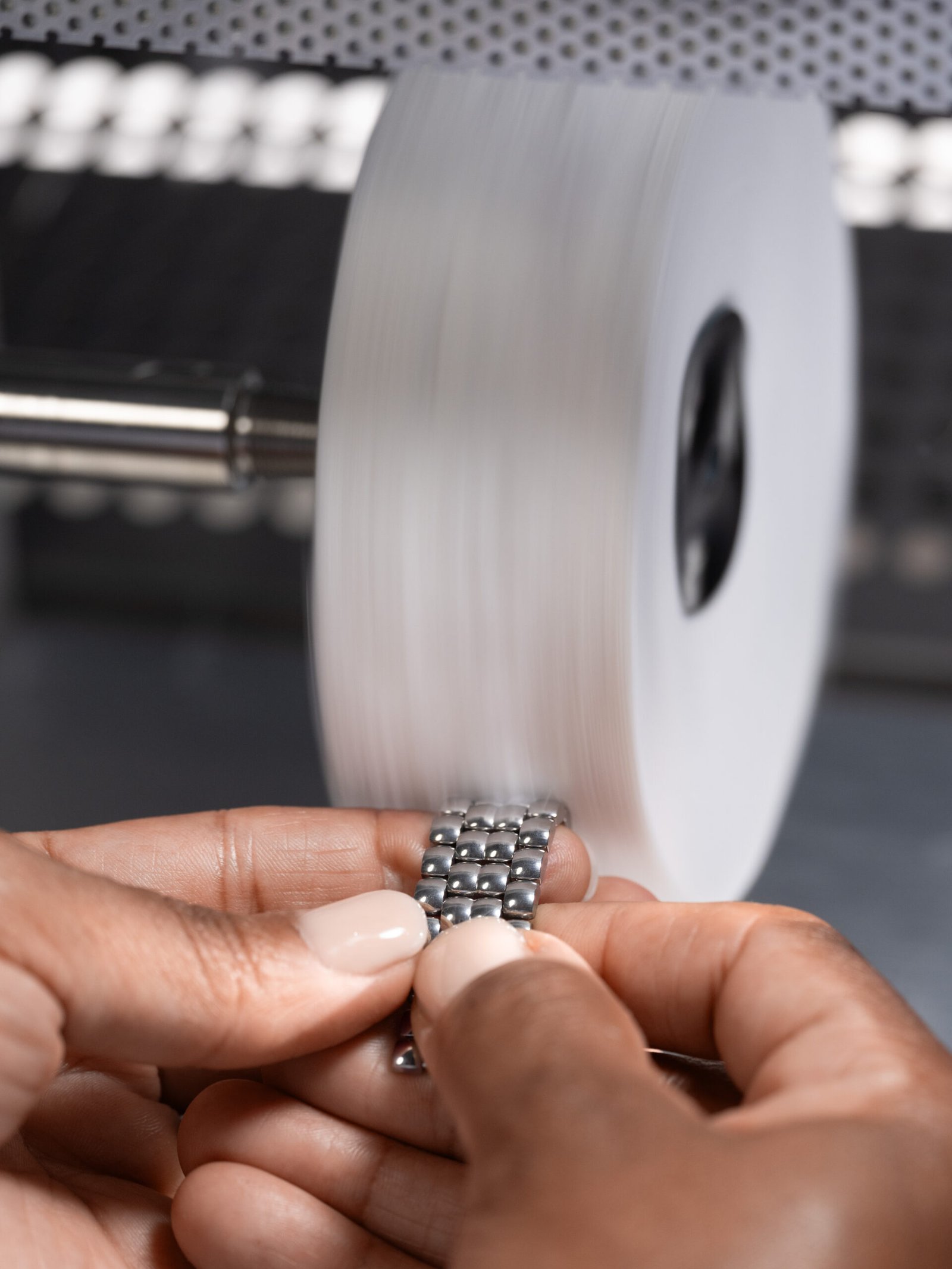
The watch was designed to move effortlessly between everyday life and eveningwear, a luxury timepiece that did not demand an occasion before it could be worn. Instead of keeping the diamonds around the dial, Scheufele placed them directly above it, allowing the stones to travel across the watch face with the movement of the wrist. Available in 26mm and 33mm proportions, the brand-new smaller model carries five moving diamonds, while the larger features seven. A finely grained silver-toned dial is framed by midnight-blue Roman numerals and a railway minute track, with blued sword-shaped hands adding a restrained horological precision to an otherwise playful composition.The watches are offered in Lucent Steel™, two-tone Lucent Steel™ and ethical yellow gold, and full ethical yellow gold, bringing the unmistakable codes of the 1993 original into the present rather than treating the anniversary as an exercise in nostalgia.
Alongside Happy Sport The First, Chopard returns to another important expression of its Happy Diamonds vocabulary: the rectangular pendant first introduced in 2006. For 2026, Chopard has opened up the proportions of the original design, creating more space for the diamonds to travel within their frame. Softly bevelled edges catch and redirect the light, while seven new pendants are offered in compact 16.5mm and elongated 25.4mm versions across ethical yellow, rose and white gold.
Each contains diamond-set white-gold interpretations that introduce a new bevelled castle setting, designed to minimise the visible metal and create an almost uninterrupted line of diamonds around the frame. At the Haute Joaillerie end of the spectrum, a 49mm interpretation takes the same principle to its most extravagant conclusion, surrounding seven moving Happy Diamonds with trapeze-cut and emerald-cut stones.