
In the rarefied world of Jaeger-LeCoultre, time has always been a philosophy, a material and a discipline, shaped as much by human intuition as it is by mechanical precision. At this year’s Watches & Wonders, the Maison extends their philosophy beyond horology into the sensory and ephemeral realm of haute cuisine, welcoming Swiss chef and “Cheese Composer” Gilles Varone into its coveted Made of Makers programme. What unfolds is a considered dialogue between two crafts that, at first glance, appear worlds apart, yet, on closer inspection, share precisely the same DNA.
For Matthieu Le Voyer, Chief Marketing Officer of Jaeger-LeCoultre, the origins of Made of Makers lie in a deceptively simple question: where does craftsmanship end, and art begin? “Do you think we’re doing craftsmanship, or do you think we’re doing art?” he reflects. The answer, it seems, is both—and neither. The programme, now in its nineteenth iteration, exists within this ambiguity of exploring the intersections between disciplines traditionally siloed from one another. Gastronomy, now widely considered the twelfth art, becomes, therefore, a natural extension of this inquiry. Yet, Jaeger-LeCoultre’s approach is far from arbitrary. The Maison seeks out creators who operate with instinct rather than repetition, and those “able to break the rules,” as Le Voyer notes, and whose work possesses the unabashed confidence of future classics in the making.
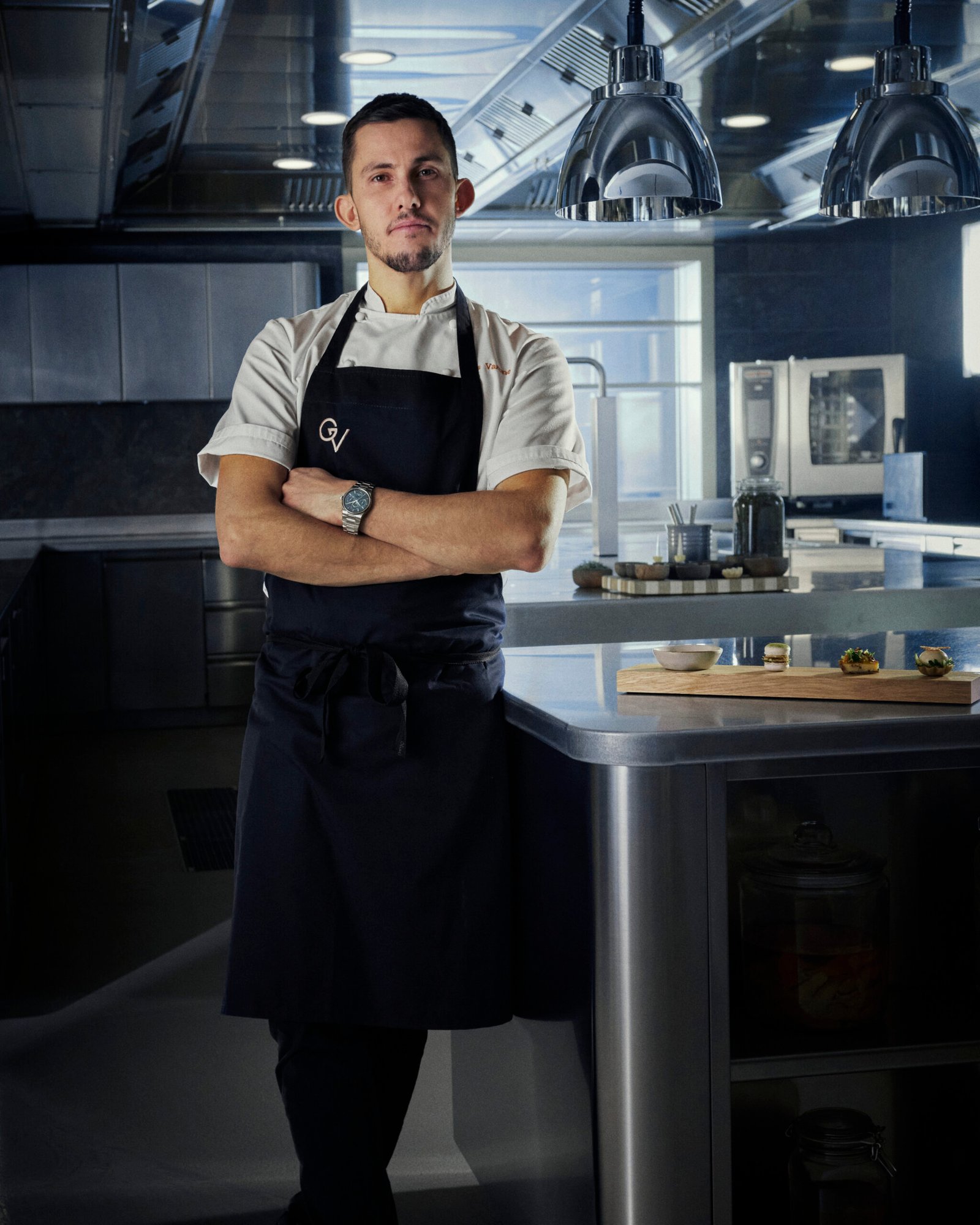
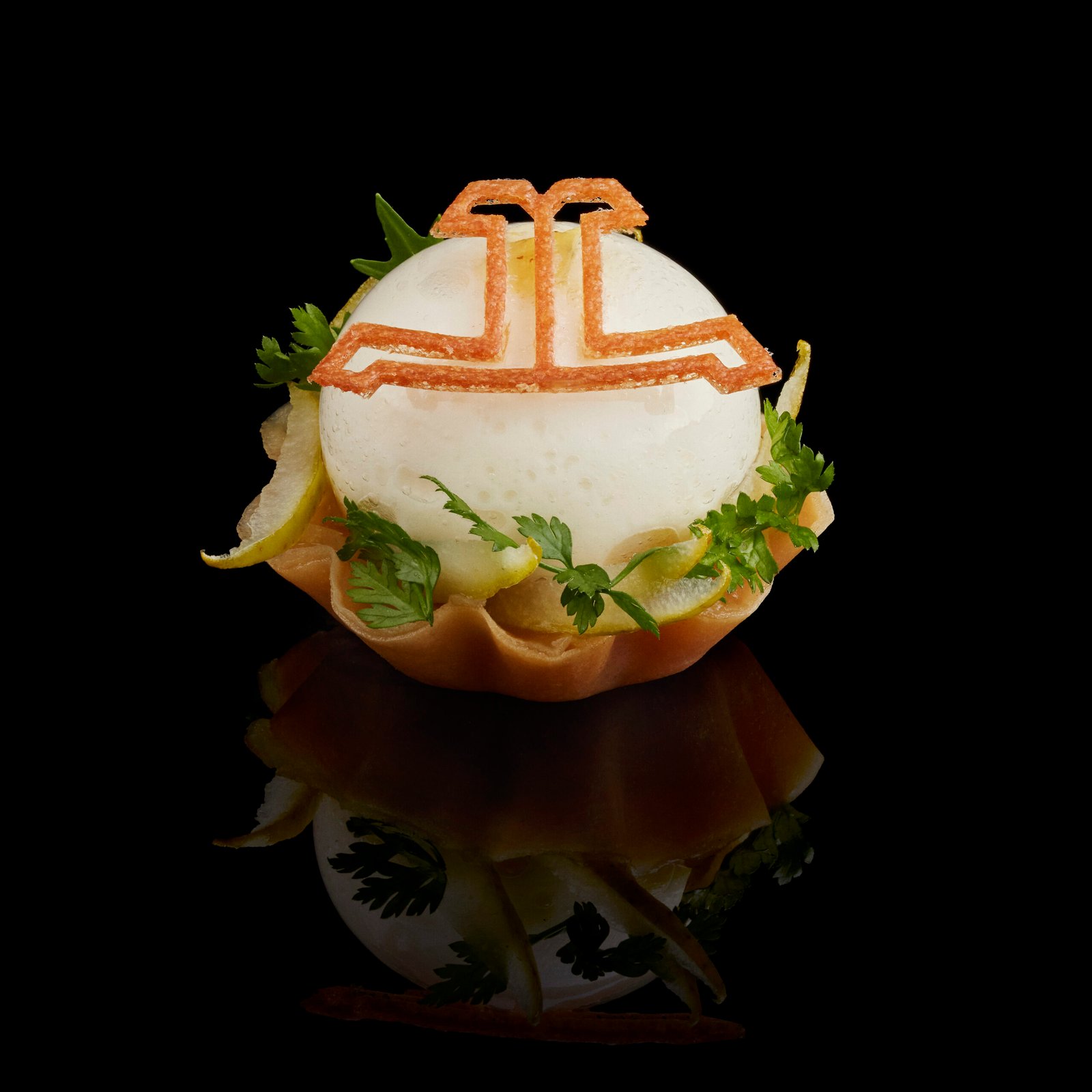
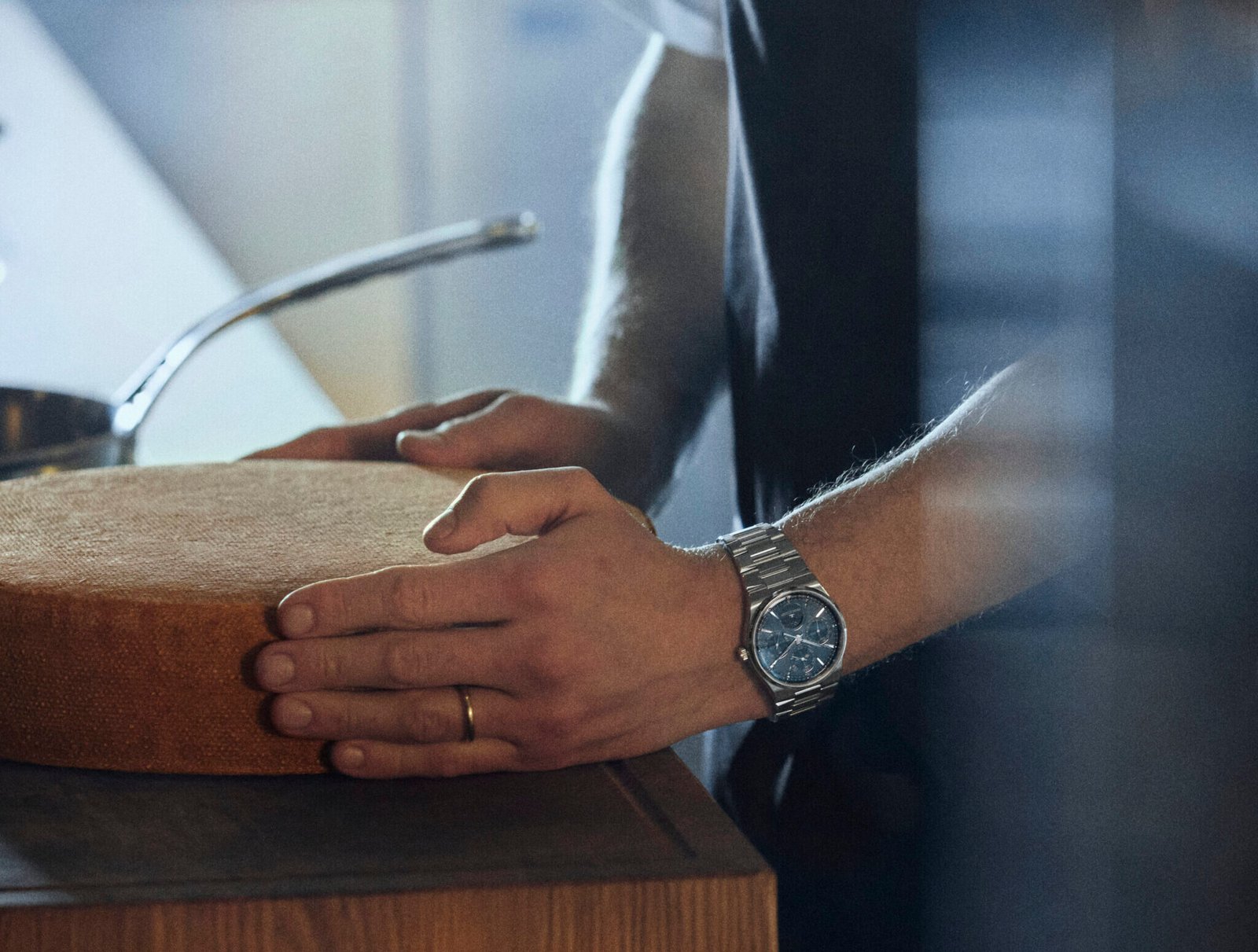
“The most obvious similarity between horology and gastronomy is precision,” Gilles Varone tells Eyes Arabia. Recently awarded his second Michelin star, Varone’s ethos for haute cuisine “is a matter of discipline, precision and patience.” It is a sentiment that could just as easily describe the meticulous assembly of a Jaeger-LeCoultre movement. In both ateliers, whether kitchen or manufacture, time is not rushed, and for Varone, time manifests most vividly through transformation. “We can take very basic ingredients, and then by fermenting it and waiting, it can elevate the ingredient to another level,” he says. “When it’s ready, it’s ready.”
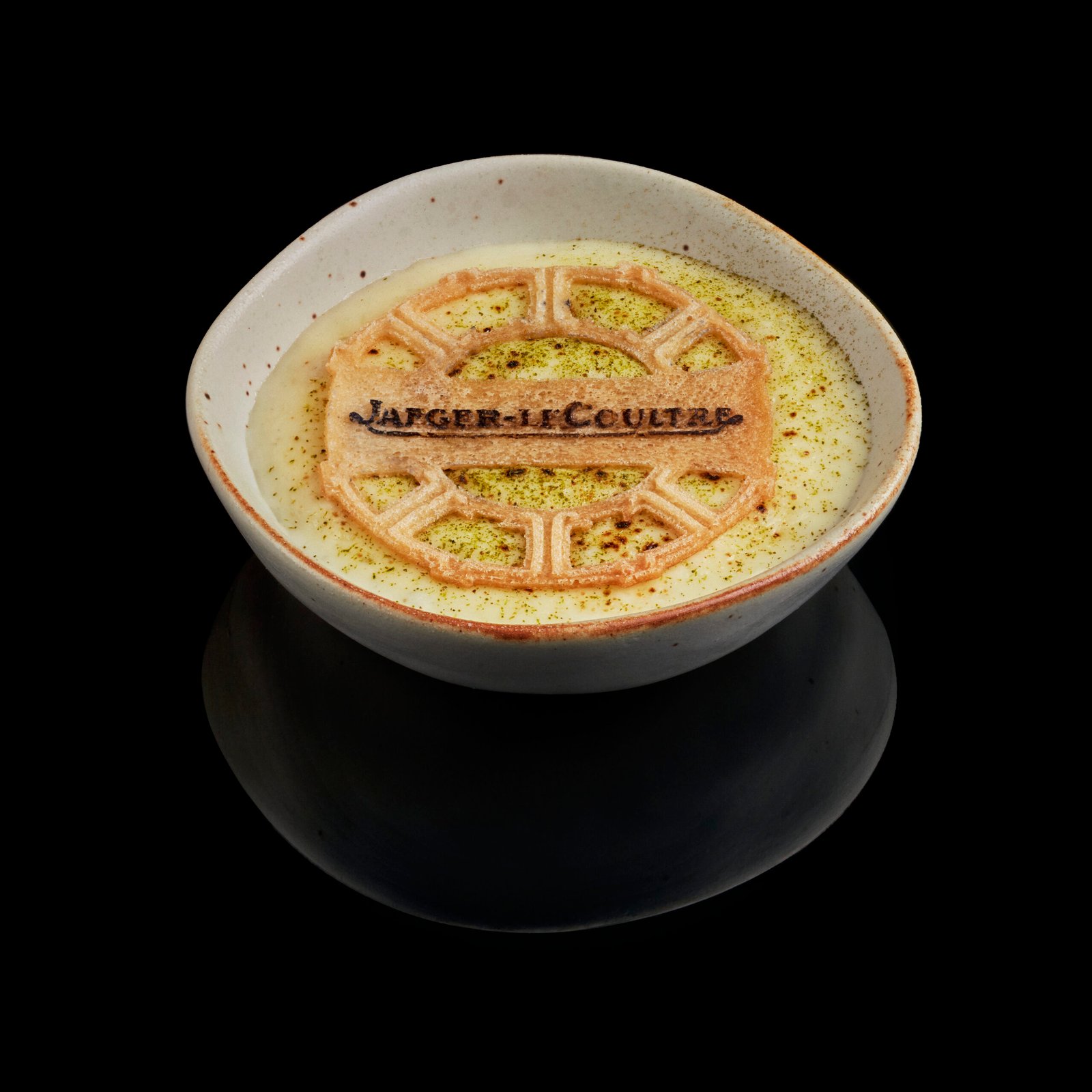
This Made of Makers collaboration is deeply rooted in place. Set against the backdrop of Switzerland’s Vallée de Joux, the spiritual home of Jaeger-LeCoultre, the project pays homage to terroir, both literal and philosophical. In a similar vein, Varone’s fine dining restaurant, nestled in Savièse within the Swiss landscape, draws directly from its surroundings of forest herbs, mountain honey and locally sourced cheeses. The process is, as Le Voyer describes, “a destination… a full experience… not merely just what happens in the dish.” On the occasion of the Watches & Wonders experience itself, Varone presents a sequence of four cheese-based creations, each exploring varying textures, temperatures, and intensities. Though, crucially for Varone, this collaboration is as much about identity as it is about innovation. “Swiss excellence is about being calm, being focused, and creating amazing things,” he reflects. It is an excellence rooted not in ostentation, but in clarity of purpose, and in horology and gastronomy the result is almost always the same. “You can buy a basic watch and just read the time,” Varone observes. “But if you want an experience… you go for something more.”

Varone’s relationship with timepieces, like his approach to food, begins with something personal. His first watch, he recalls, was “full of little footballs on it”. More telling, perhaps, is the ritual that surrounded it. Growing up, time was non-negotiable. “At 12 o’clock every day we used to eat, no matter what,” he says. It was a structure that shaped his understanding of discipline early on, one that now underpins both his kitchen and his creative philosophy.
If there is a unifying thread within Made of Makers, it is Jaeger-LeCoultre’s evolving definition of the classic. As Le Voyer aptly notes, “what is classic today was probably a disruption of yesterday.” In collaborating with Varone, they propose that gastronomy, like watchmaking, can continuously reinvent itself without losing its essence. And perhaps that is the true achievement of this collaboration, not simply bridging two disciplines, but revealing that they were never separate to begin with. Both are, at their core, acts of devotion. To craft, to time, and to the enduring pursuit of excellence.