
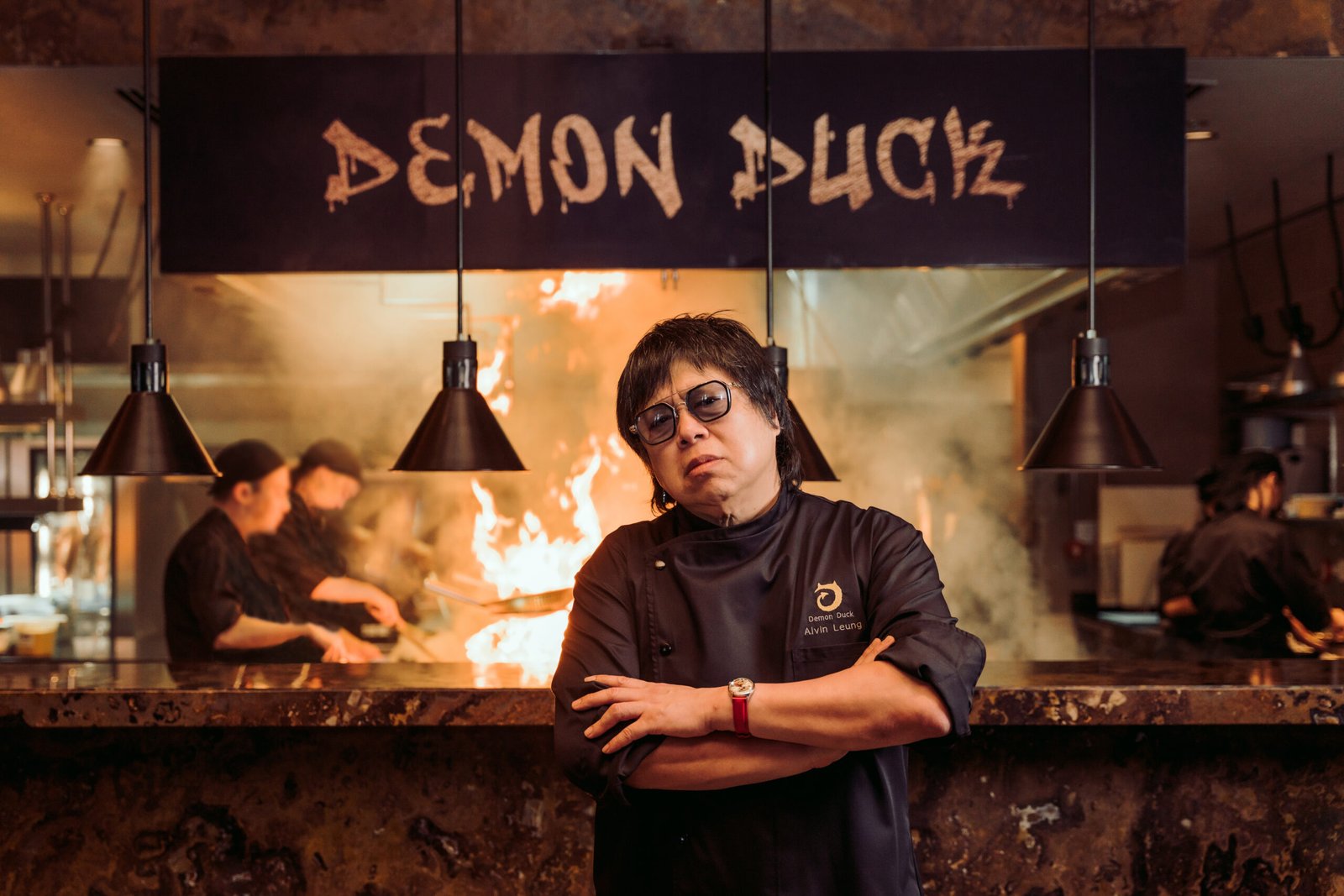
In the hands of Alvin Leung, gastronomy is not merely an act of cooking, it is calculated choreography of sensation. Celebrity chef, TV personality and the brainwork behind Banyan Tree Dubai’s Michelin starred Demon Duck restaurant, his revered dining concept sits somewhere between theatre and precision. In an exclusive interview with Eyes Arabia, it becomes clear that Leung does not subscribe to the romantic mythology of the chef as an intuitive artist alone. Instead, he positions himself somewhere far more unexpected: between engineer and auteur, where craftsmanship is defined as much by logic and marketing as it is by taste.
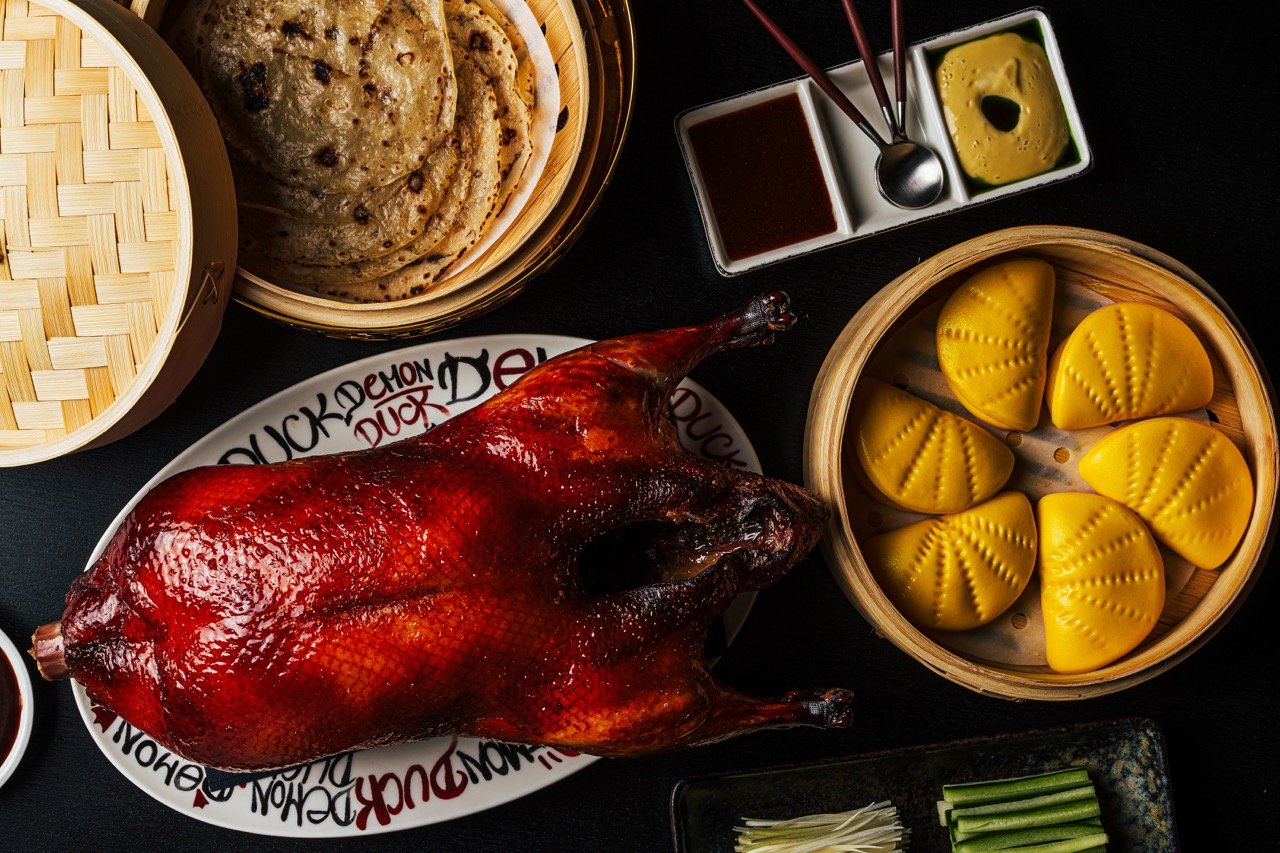
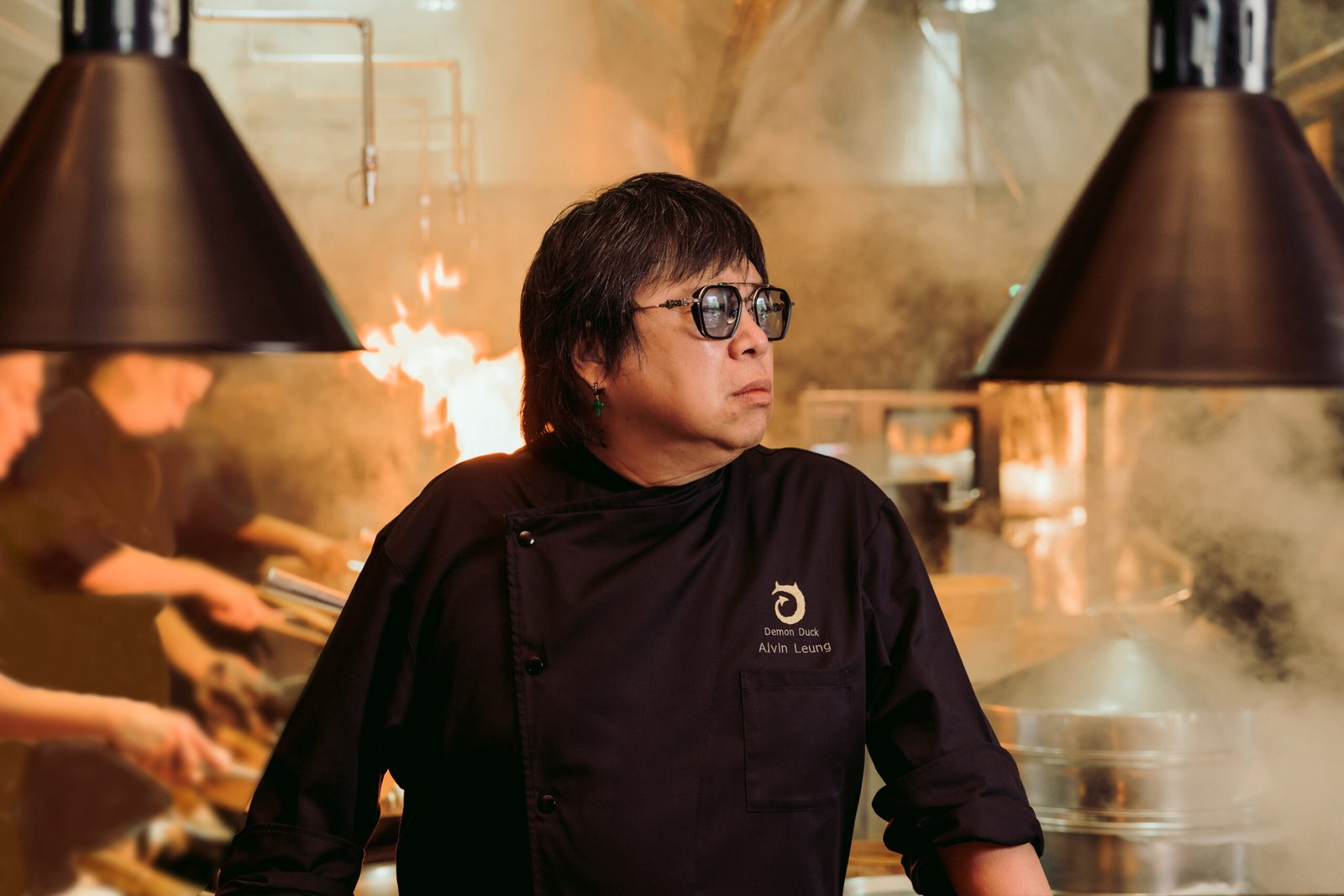
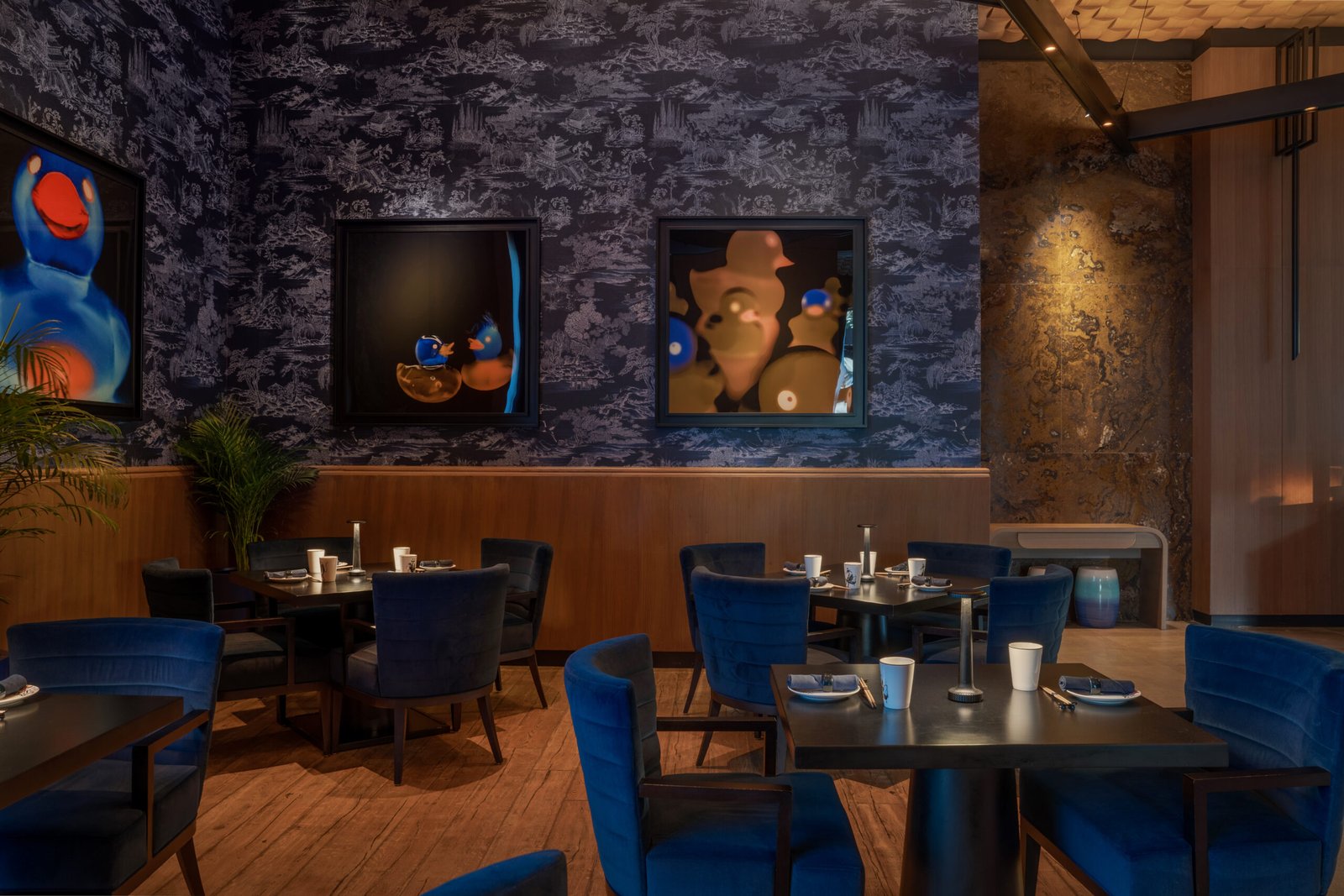
“I’m very technical,” he says. “Every dish has a hypothesis, a method, and a conclusion.” The systematic way of thinking is, perhaps, rooted in his background in engineering. Yet, in both disciplines, beauty is never accidental, he observes. Leung builds each plate with foresight, anticipating not only flavour, but form, perception, and even the angle at which it will be photographed on someone’s phone. In a digital age where a dish is consumed visually before it is ever tasted, this level of control becomes its own form of contemporary craftsmanship. Yet Leung is quick to dismantle the industry’s more romantic clichés. Craft, he argues, is not a monolith, it is a spectrum shaped by heritage, repetition, and intent. “Craftsmanship is dedication to perfection,” he explains, aligning it with the Japanese philosophy of lifelong mastery, where a single discipline can define an entire career. But in his world, craftsmanship extends beyond the kitchen. It lives equally in storytelling, in positioning, and crucially, in the art of anticipation.
His gastronomy worldview mirrors that of the watchmaking world too. And interestingly enough, Leung is an avid collector, though not in the conventional sense. Rather than pursuing the expected icons of haute horlogerie, he has spent decades assembling what he claims is the world’s largest collection of Mickey Mouse watches, over a thousand pieces spanning nearly a century. “Everyone collects the same things,” he says, referencing the predictability of status-driven collecting. “I wanted to be the best at something.” In this pursuit, rarity and narrative outweigh conventional luxury. Also in his collection, a limited-edition piece by Gérald Genta—one of just seventeen ever made—holds more intrigue for him than mass-produced icons. The appeal lies not simply in material value, but in “story, scarcity, and the human touch behind the object”, he says.
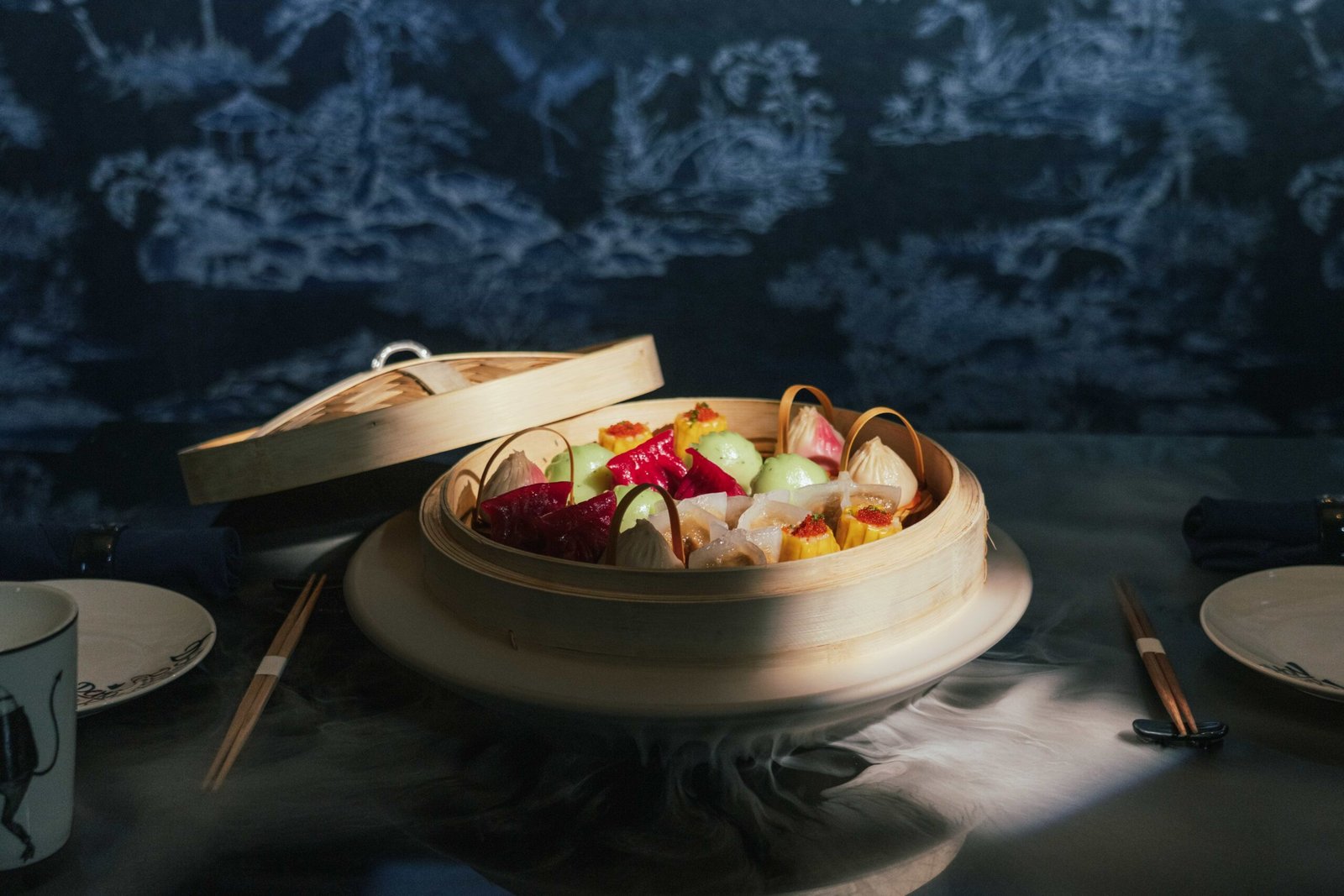
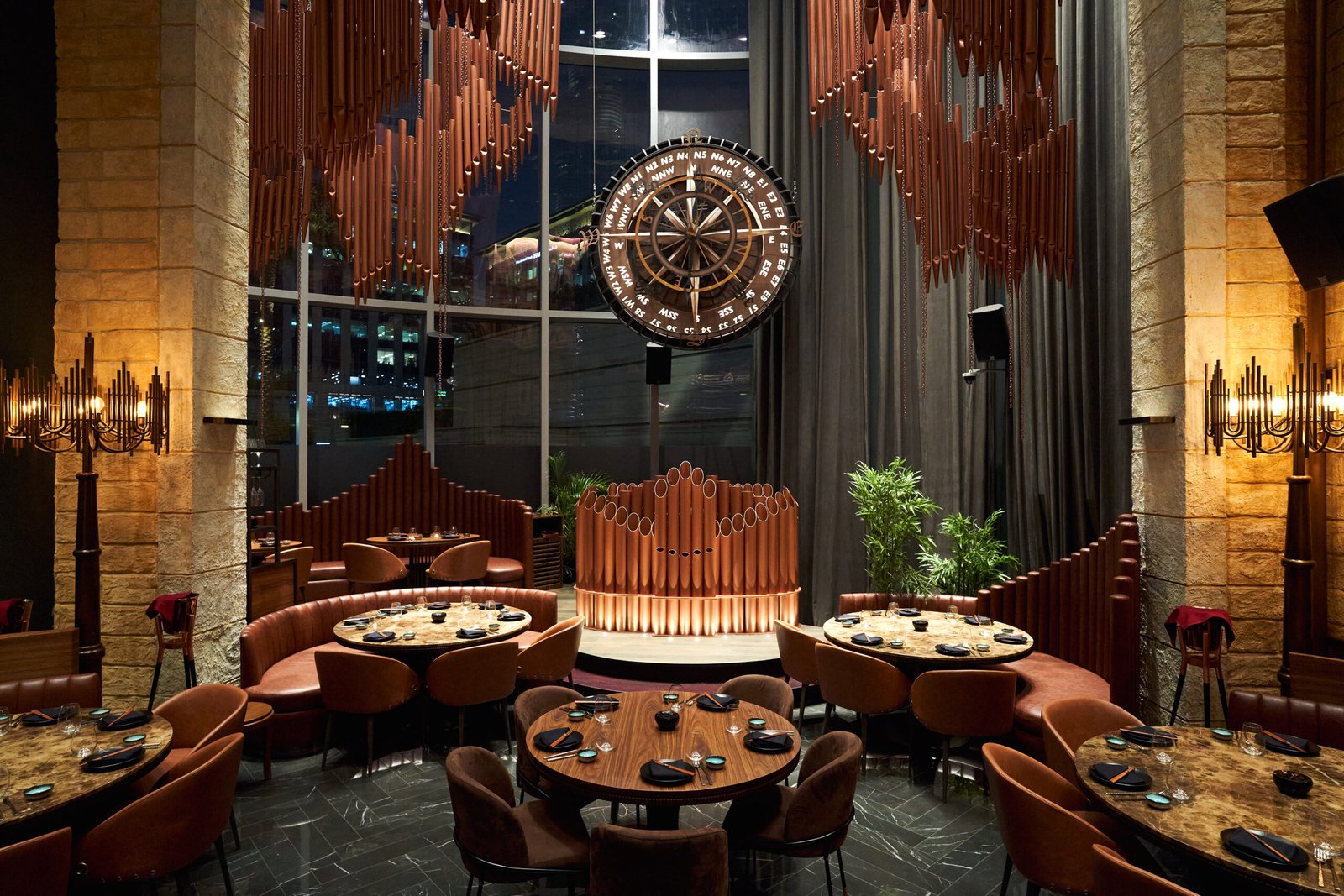
It is a mindset that shapes his approach to food, and even his critique of the modern luxury landscape feels sharply attuned to both industries. As conglomerates reshape heritage brands, he notes “a decline in aftercare, intimacy, and long-term craftsmanship, qualities that once defined true luxury”. The same tension exists in gastronomy, where scale and spectacle increasingly compete with substance. And yet, for all his precision, Leung returns, again and again, to the single, grounding principle of comfort. “Taste is king,” he says of his ethos behind his dishes. “The balance between excitement and ease, between avant-garde and accessible is where I operate most fluently”. At Demon Duck, his menu sits deliberately between tradition and extremity, pushing boundaries without alienating the diner with a term he coined and conceptualised as “X-treme Chinese”. In Dubai, a city defined by its appetite for the new, this philosophy finds fertile ground. “You can do exciting things here,” he says, pointing to a sophisticated, globally-minded audience willing to engage with innovation.
In that sense, craftsmanship is no longer confined to the object itself. It is embedded in the entire ecosystem surrounding it—the anticipation, the narrative, the moment of discovery. For Chef Alvin Leung, whether assembling a dish or curating a collection, the goal remains the same, to engineer an experience that feels intrinsically himself.