
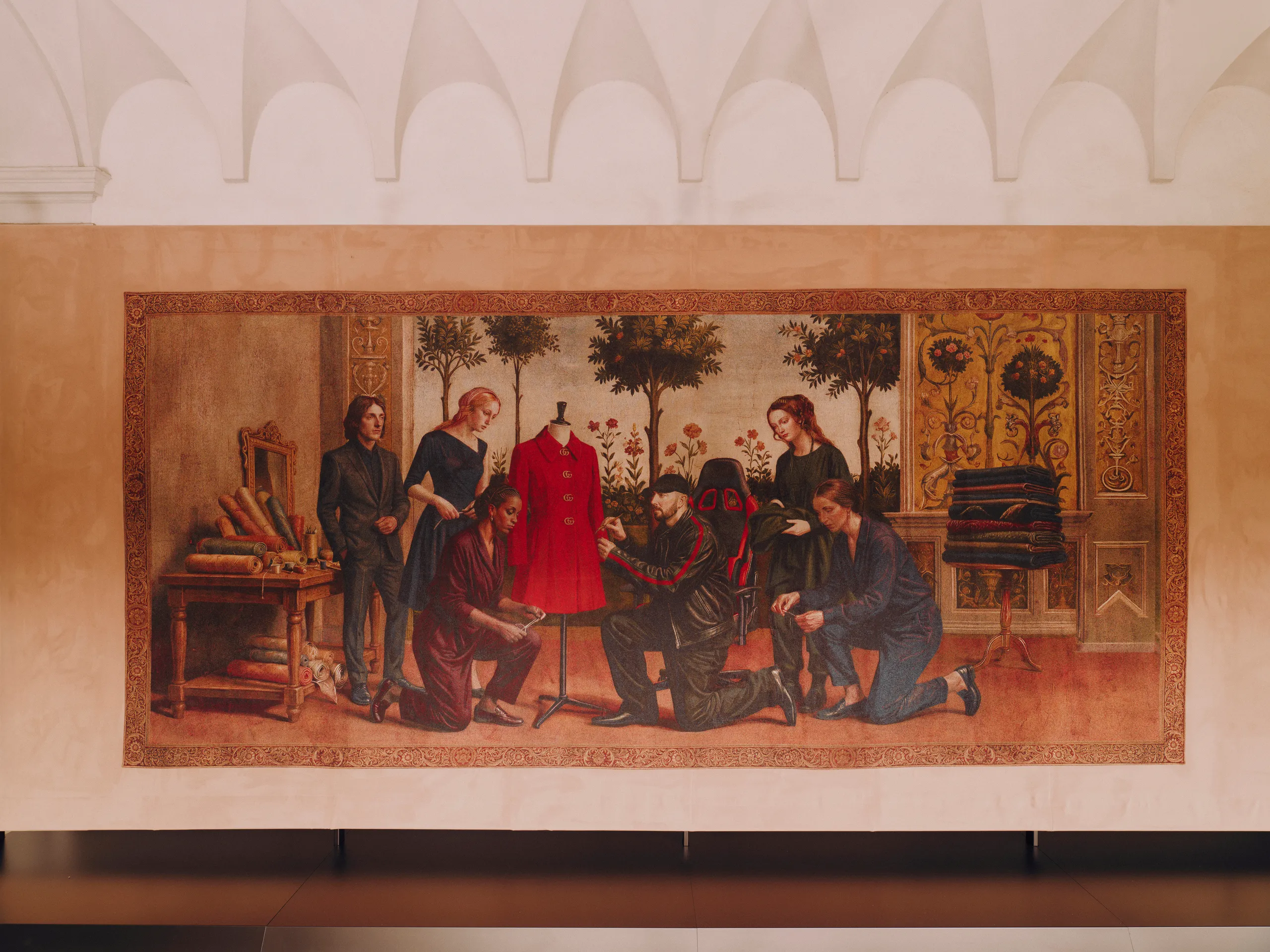
Every April, Milan becomes something of a secular cathedral for the design world, a place where disciplines dissolve, and the boundaries between fashion, art, and architecture are entirely reimagined. At Milan Design Week 2026, fashion houses, long fluent in the language of silhouette and surface, stepped confidently into spatial storytelling, offering immersive installations, intellectual provocations, and objects that exist somewhere between collectible and cultural artefact. Here’s a definitive edit of the week’s most compelling moments.
Home Collections, Hermès
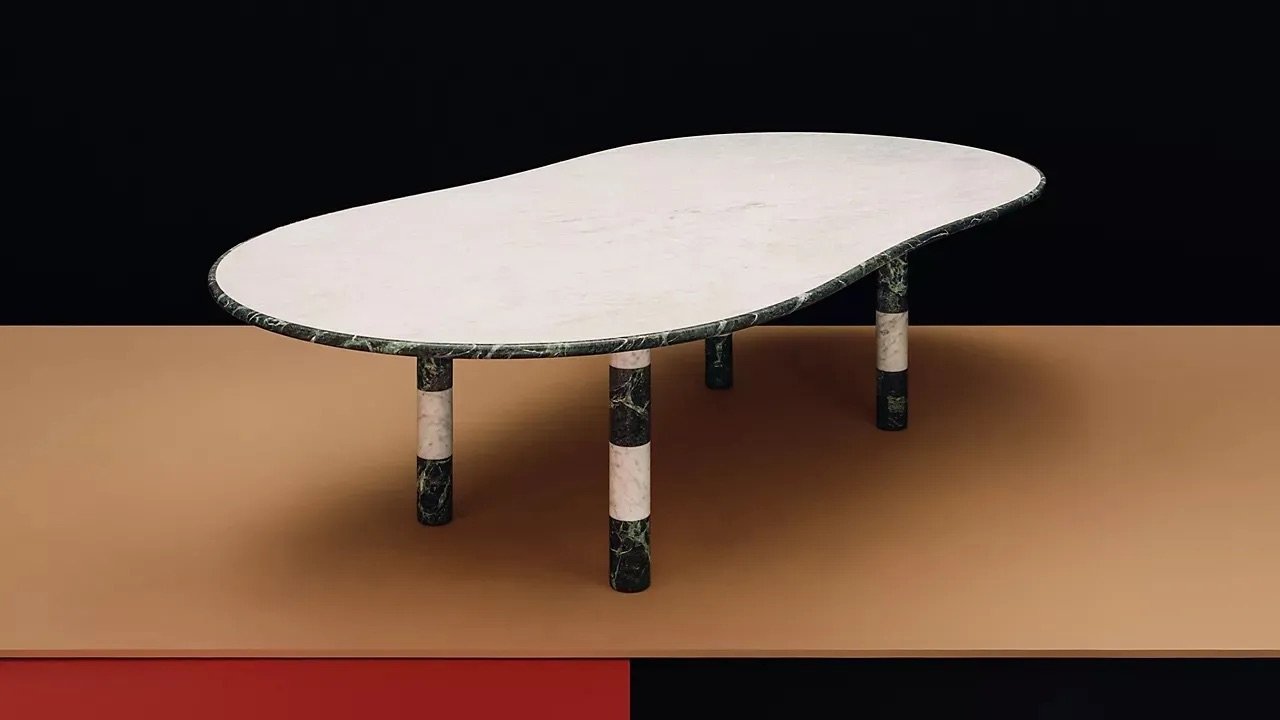
At Hermès, the home becomes a stage for material mastery at Milan Design Week. Among the collection, the marble Stadium d’Hermès, designed by Edward Barber and Jay Osgerby, curves with an almost equestrian elegance. Surrounding objects from vases, textiles, to centrepieces elevate the artisan’s gesture to something approaching ritual.
Gucci Memoria, Gucci
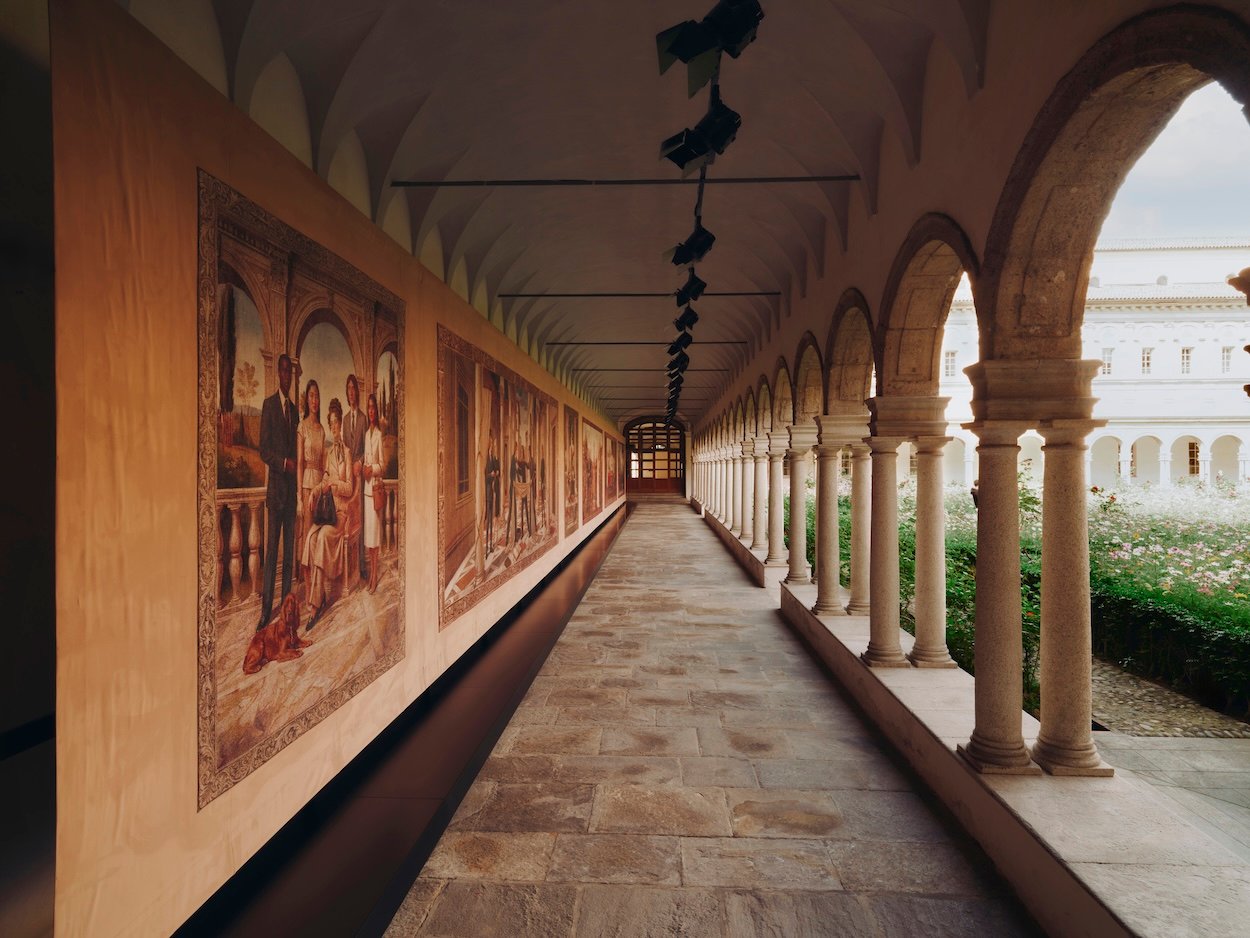
Memory takes centre stage at Gucci with Gucci Memoria. Set within the Chiostri di San Simpliciano, the exhibition traces over a century of the house’s evolution. Floral installations, inspired by the iconic Flora motif, punctuate the space, reminding visitors that reinvention, at Gucci, is always rooted in remembrance.
Objets Nomades, Louis Vuitton
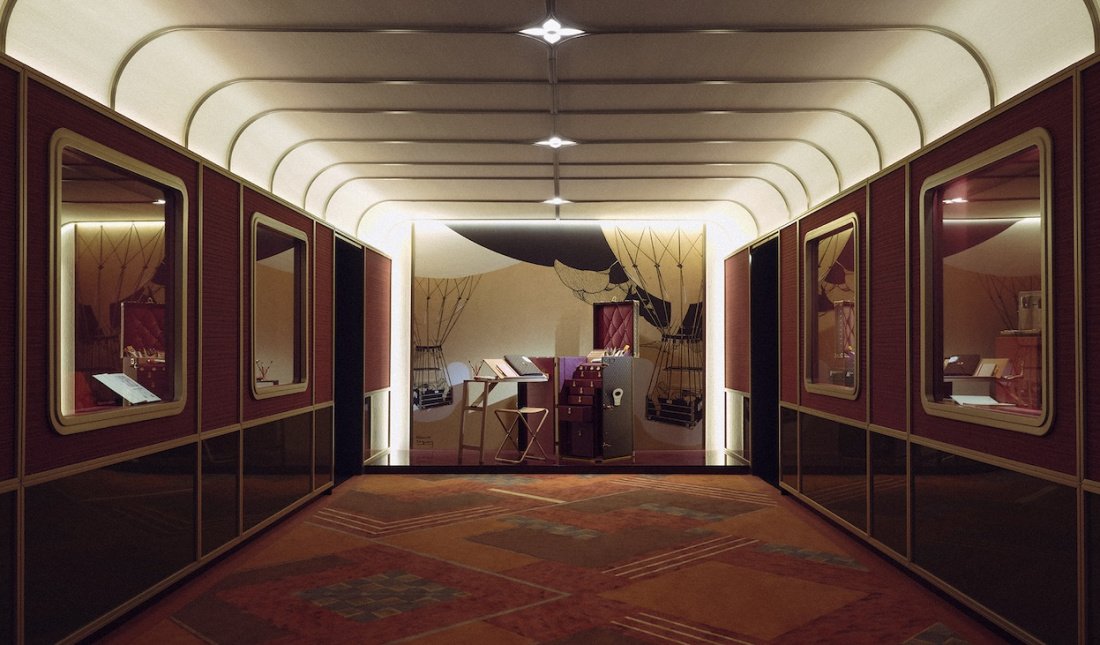
For Louis Vuitton, Objets Nomades returns with a reverence for design history. Honouring Art Deco pioneer Pierre Legrain, the collection reissues his 1921 dressing table, Louis Vuitton’s first foray into furniture, alongside contemporary pieces. It is a dialogue across time, travel, craftsmanship and design.
Origins, Armani/Casa
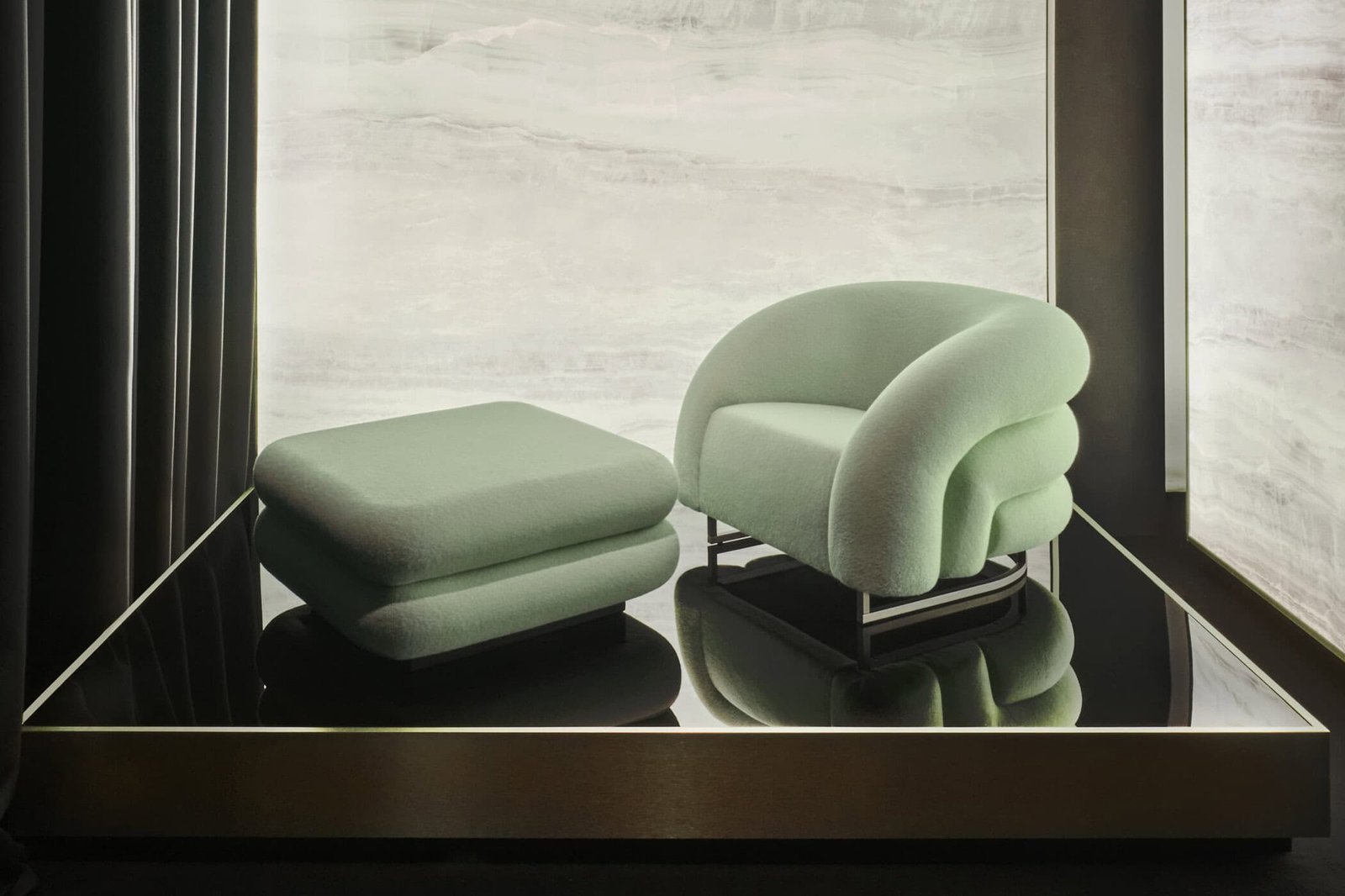
At Armani/Casa, Origins revisits eight of the house’s most emblematic designs, among them the Baloon armchair and Seine console, placing archival pieces alongside their contemporary evolutions. It is in itself a meditation on permanence, and a study in how design matures without losing its essence, echoing the quiet discipline of Giorgio Armani himself.
Baguette 26424 Re-Edition & Fendi Design Prize, Fendi
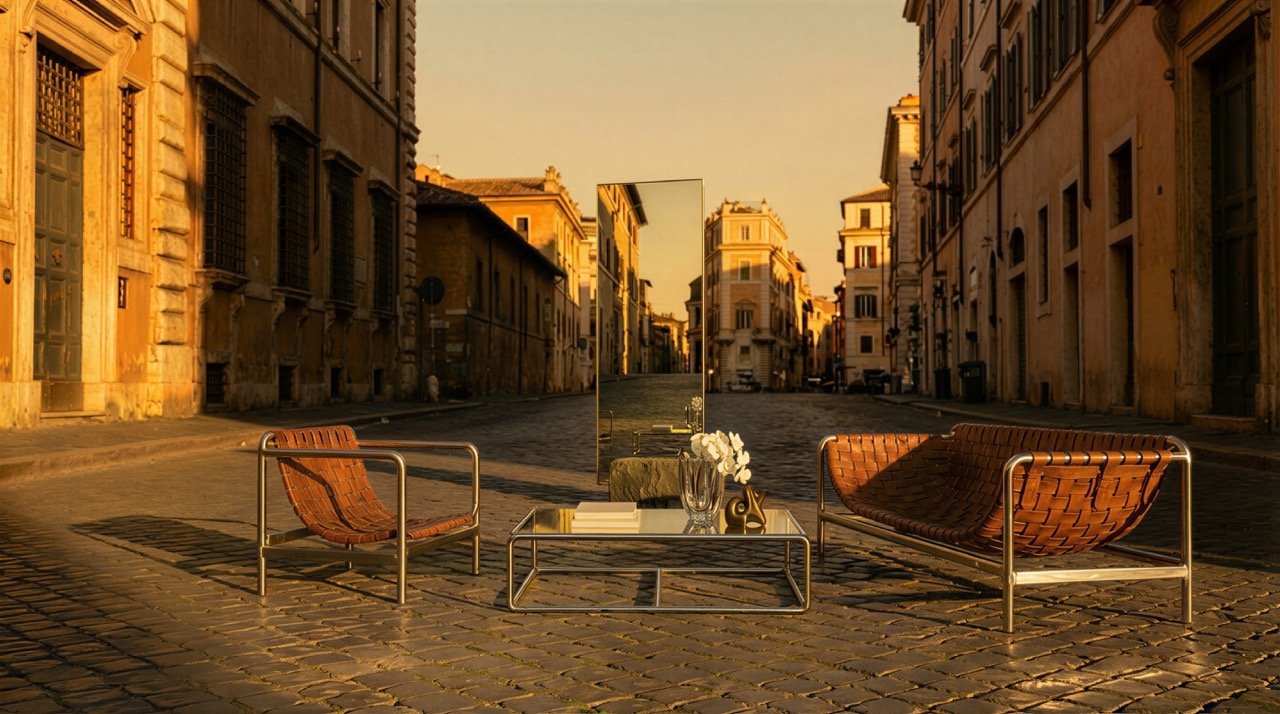
For Fendi, the week unfolds as a dual narrative. The revival of the Baguette, reimagined in 20 distinct iterations, including six exclusive to Milan, reaffirms the house’s instinct for reinvention. Simultaneously, the inaugural Fendi Design Prize crowns Gustav Craft for his project Via, signalling a forward-facing commitment to emerging talent. It is a balancing act between iconography and innovation, executed with characteristic precision.
Aquae Mirabiles, Buccellati
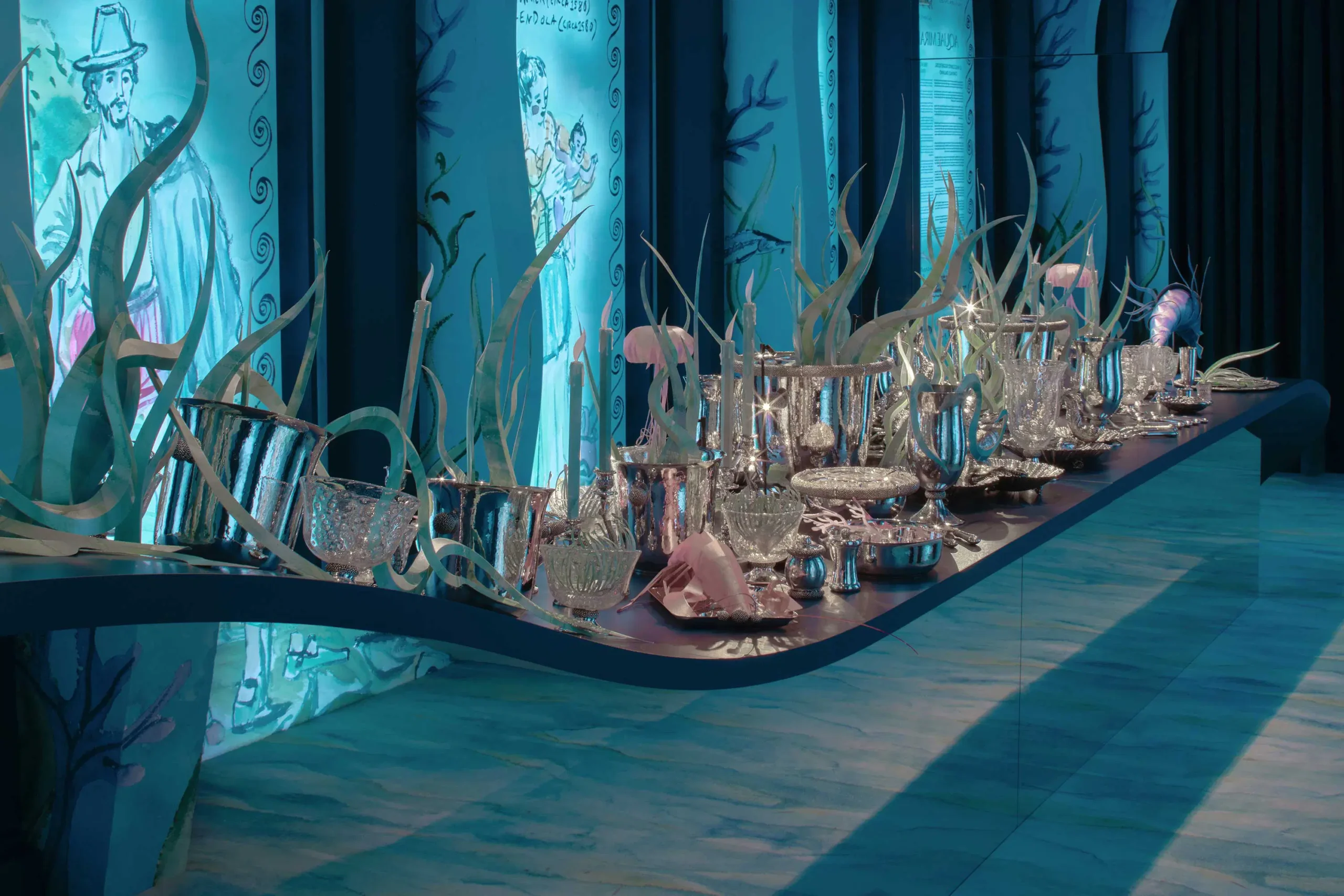
Jeweller Buccellati leans into storytelling with Aquae Mirabiles, an immersive installation curated by Federica Sala. Watercolour drawings and scenographic interventions unfold within a temporary structure by Balich Wonder Studio, while British artist Luke Edward Hall introduces a layer of fantasy. The result is a world that feels both historic and imagined.
Greenery, Zegna
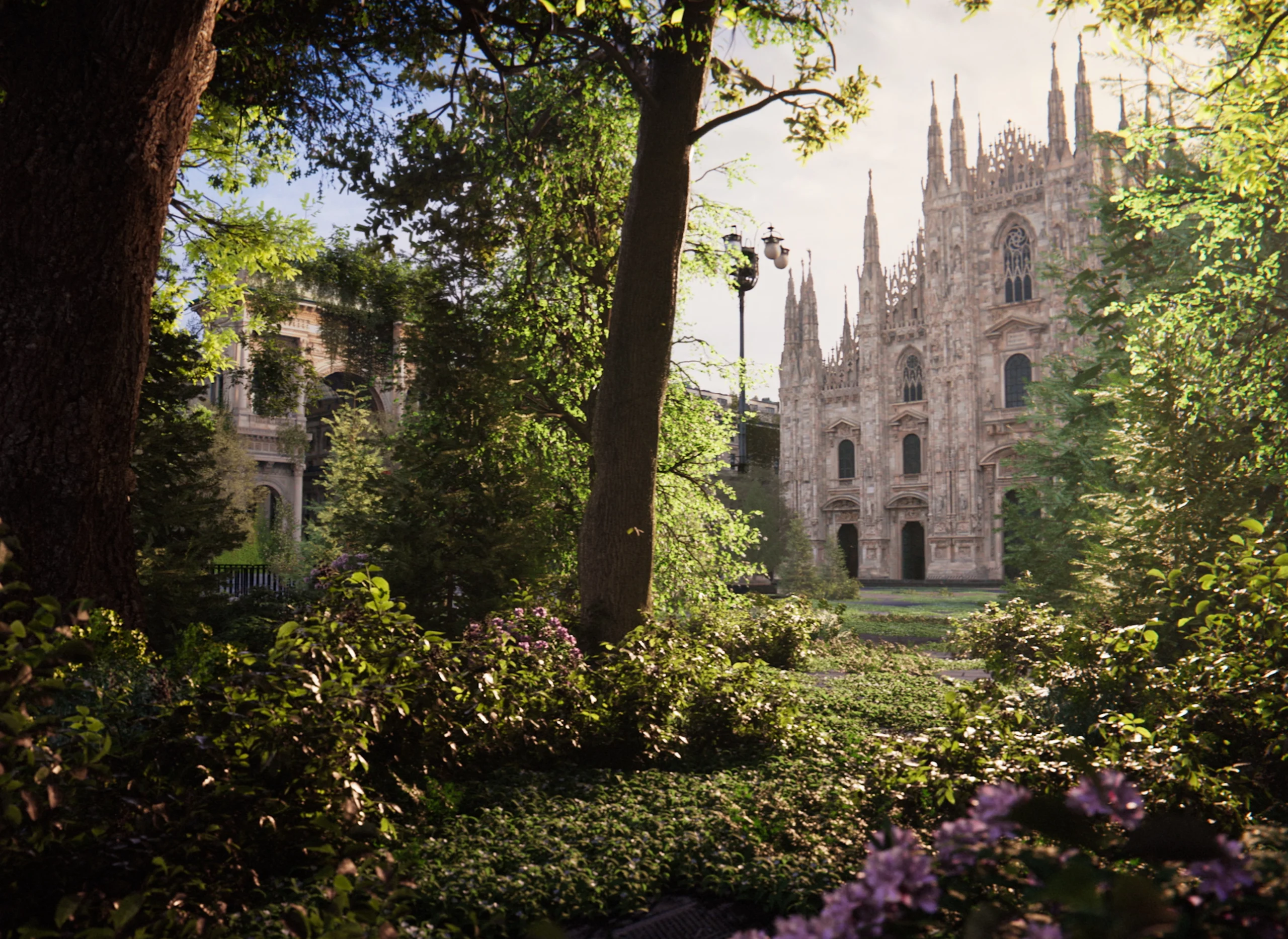
Few interventions feel as civic in spirit as Zegna’s transformation of Piazza Duomo. As curator of the square’s flowerbeds, the brand introduces over 100 botanical species into the city’s historic centre. This is design at an urban scale, and an ecological gesture that reframes luxury as stewardship, rather than mere spectacle.
Lightful, Bottega Veneta
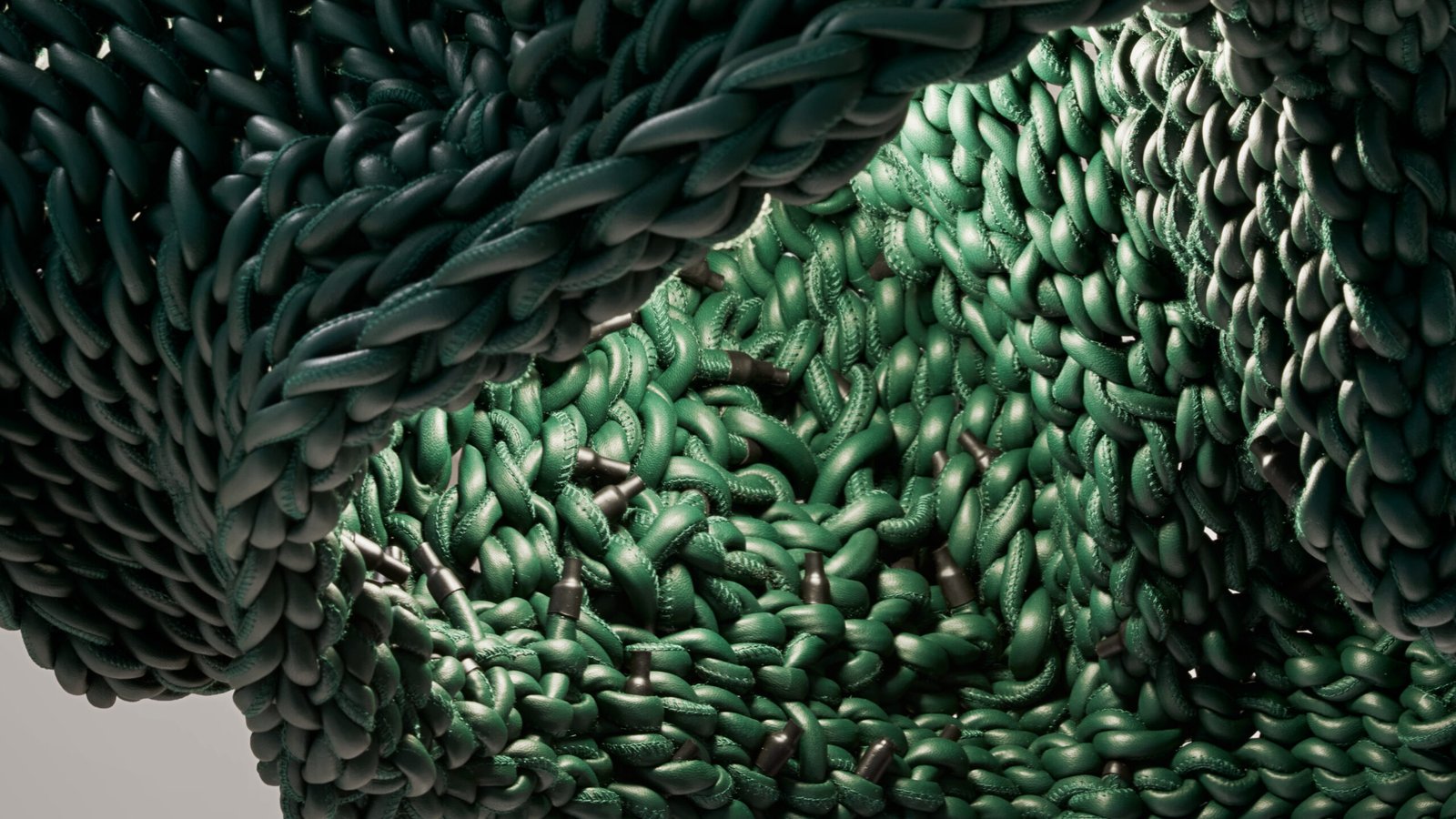
At Bottega Veneta, collaboration takes on a tactile dimension with Lightful, created with Korean artist Kwangho Lee, transforming the Via Sant’Andrea store into a study of suspended form and woven light. Organic shapes hover in space, challenging perceptions of weight and materiality, forming an extension of the house’s enduring obsession with texture.
Studies, Chapter I: On the Plaid, Loro Piana
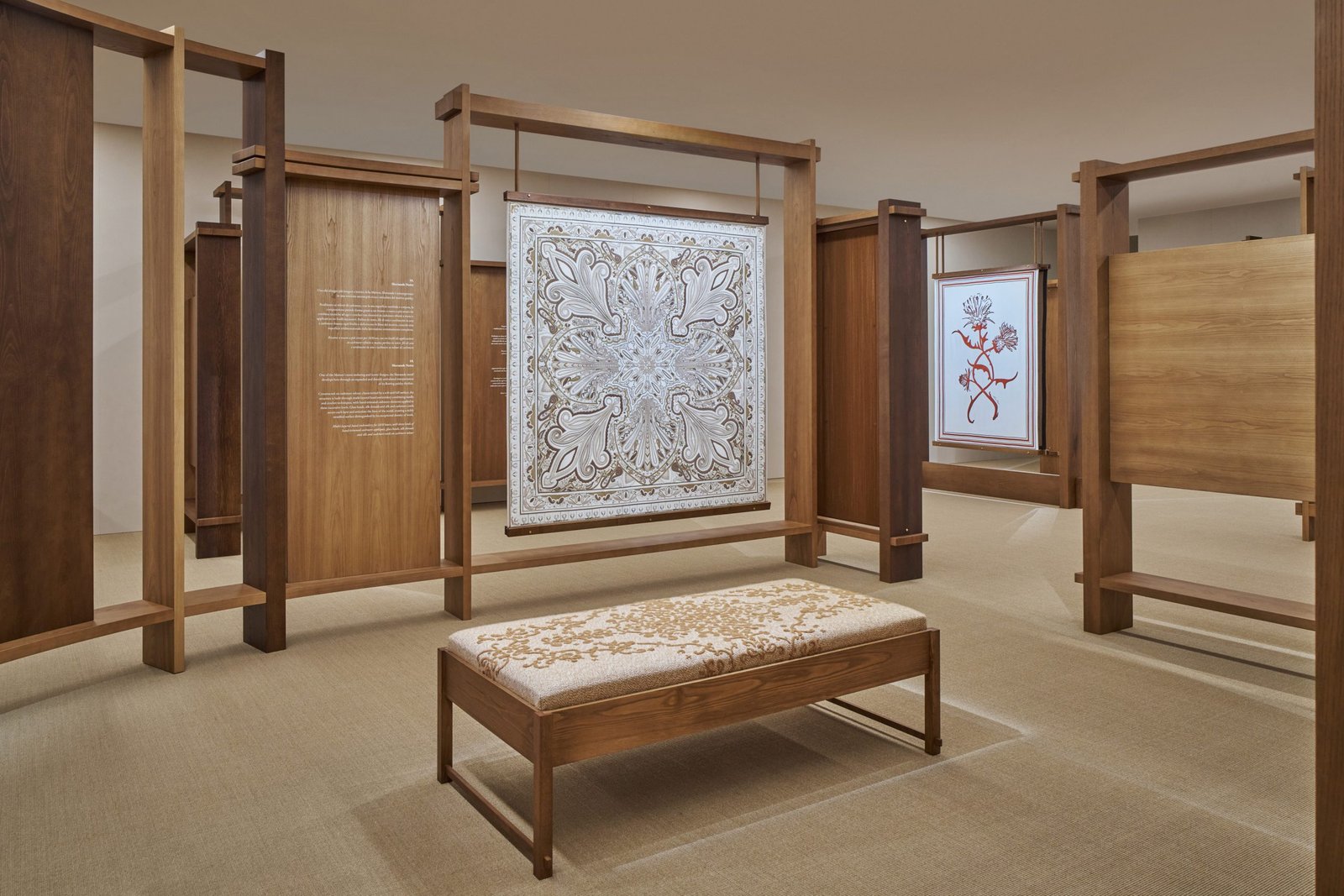
Textile becomes thesis at Loro Piana. Studies, Chapter I: On the Plaid inaugurates a series of investigations into the house’s most fundamental objects. Here, the plaid, often overlooked, emerges as a site of innovation, its patterns reinterpreted as enduring visual codes. It is an assertion that true luxury lies not in novelty, but in refinement.
Politics of Desire, Miu Miu
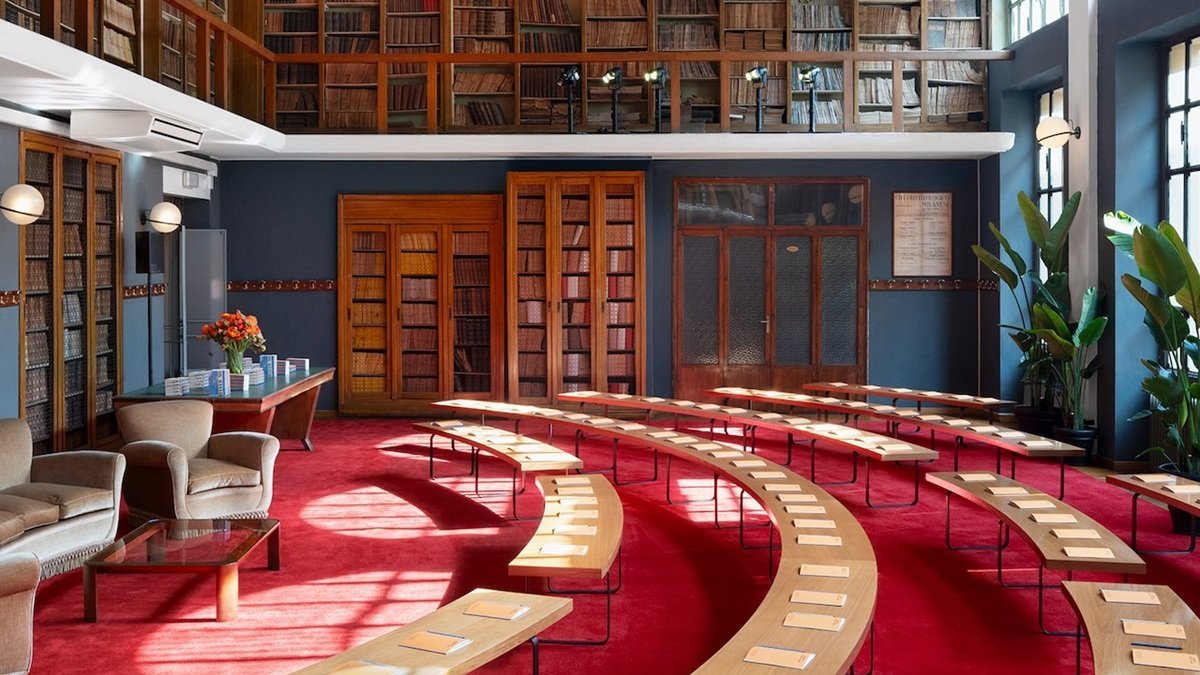
Miu Miu offers perhaps the most intellectually charged contribution. Under the direction of Miuccia Prada, the Miu Miu Literary Club returns with Politics of Desire, a programme that interrogates many lines of power through literature. Featuring voices such as Annie Ernaux and Ama Ata Aidoo, it positions design week not merely as a visual experience, but as a platform for cultural discourse.