
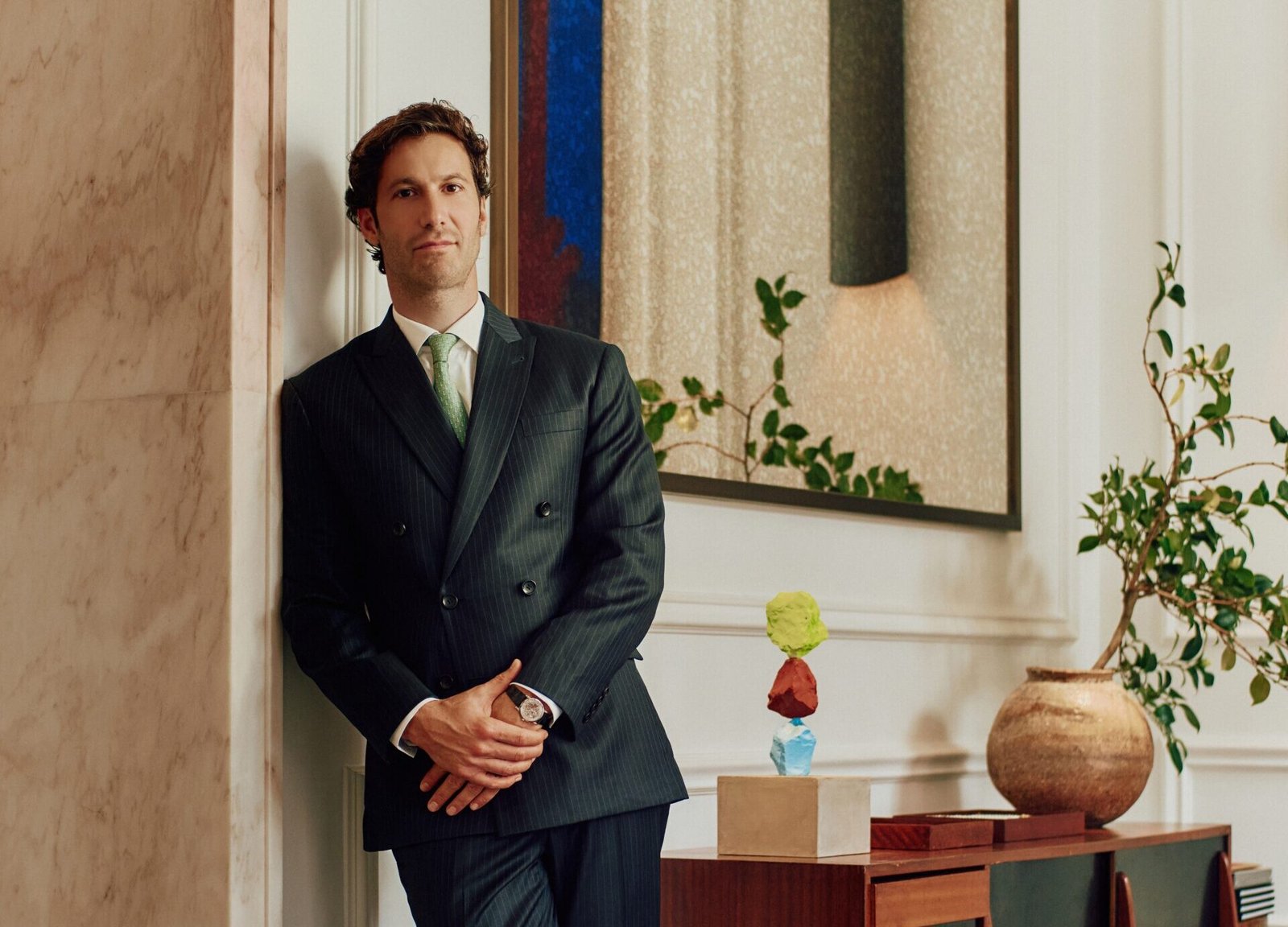
Founded in 2016 by a Lebanese, Belgian-born financier-turned-jeweller with deep familial roots in the diamond trade, LEVUMA is a maison built on the art of stillness. Before its inception, Ali Khalil spent a decade inside the upper echelons of global finance, navigating institutions like Goldman Sachs and J.P. Morgan—worlds defined by velocity, abstraction, and the constant churn of transactions. But, as he puts it, “I was working on things that were complex and important, but ultimately intangible. I grew up around diamonds, where everything is slower, more precise, almost quiet. You hold something, you study it, you feel its weight. I think I missed that without fully realizing it”. High jewellery thus became a return to “creating something that lasts, that carries meaning, and doesn’t just move on to the next transaction.”
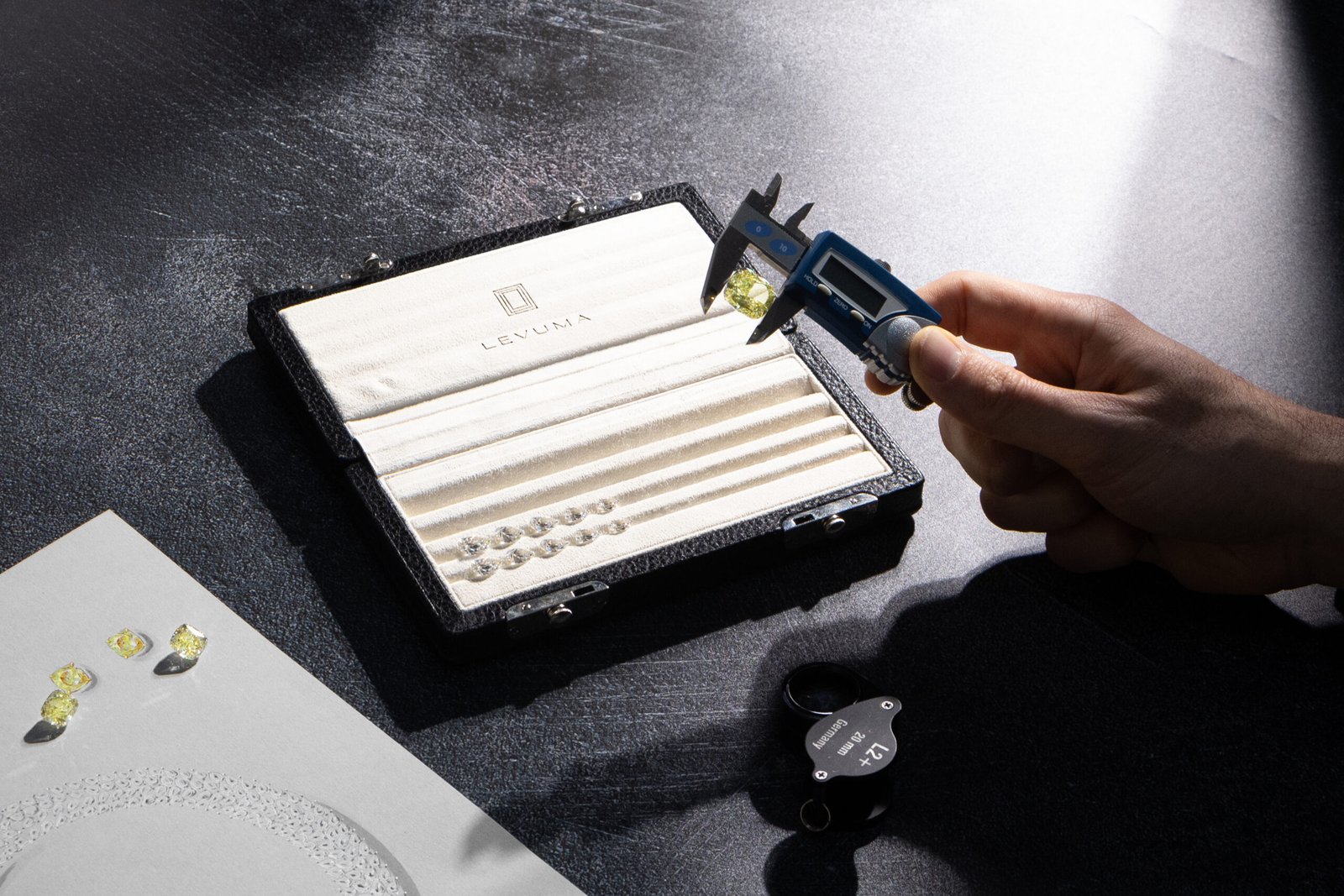
Khalil’s perspective is shaped by a family diamond lineage spanning four generations, stretching from Lebanon to Sierra Leone, South Africa, London, Belgium and Dubai. Yet, rather than preserving this heritage as a static inheritance, he chose to elevate it. At LEVUMA, craftsmanship begins long before design, rooted in a generational network that spans miners, cutters, and ateliers—families whose expertise has been honed over decades, if not centuries. “That depth of expertise has allowed us to build a global network of partners, often families who have worked together across generations,” he explains. “You hold something, you study it,” he repeats, echoing the tactile philosophy that underpins the maison. From there, design becomes an act of restraint. “The diamond always dictates the design,” he says. “Much of jewellery today is driven by visual impact. By letting the diamond lead, we take a more restrained approach, where the design exists to elevate the stone rather than compete with it.”
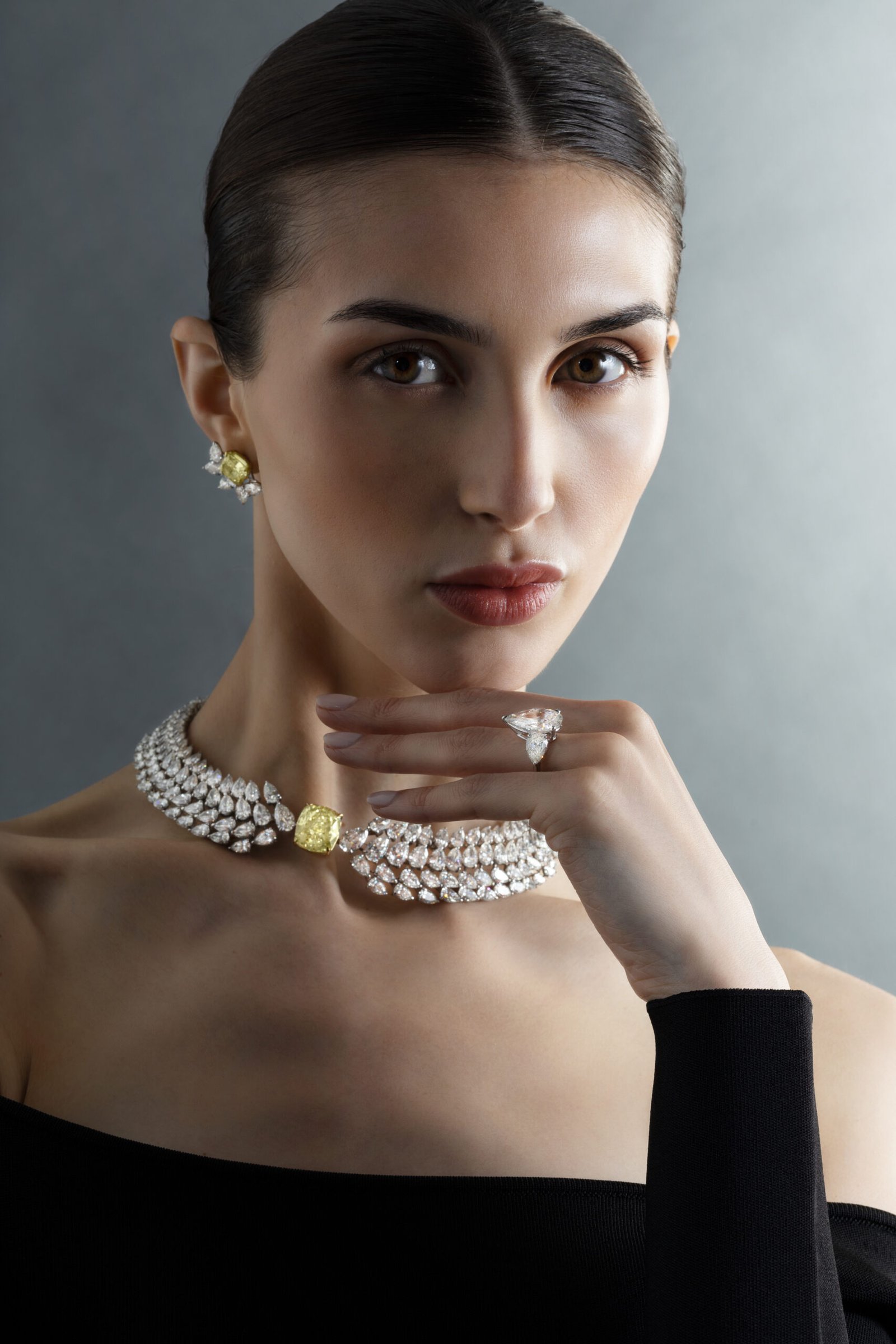
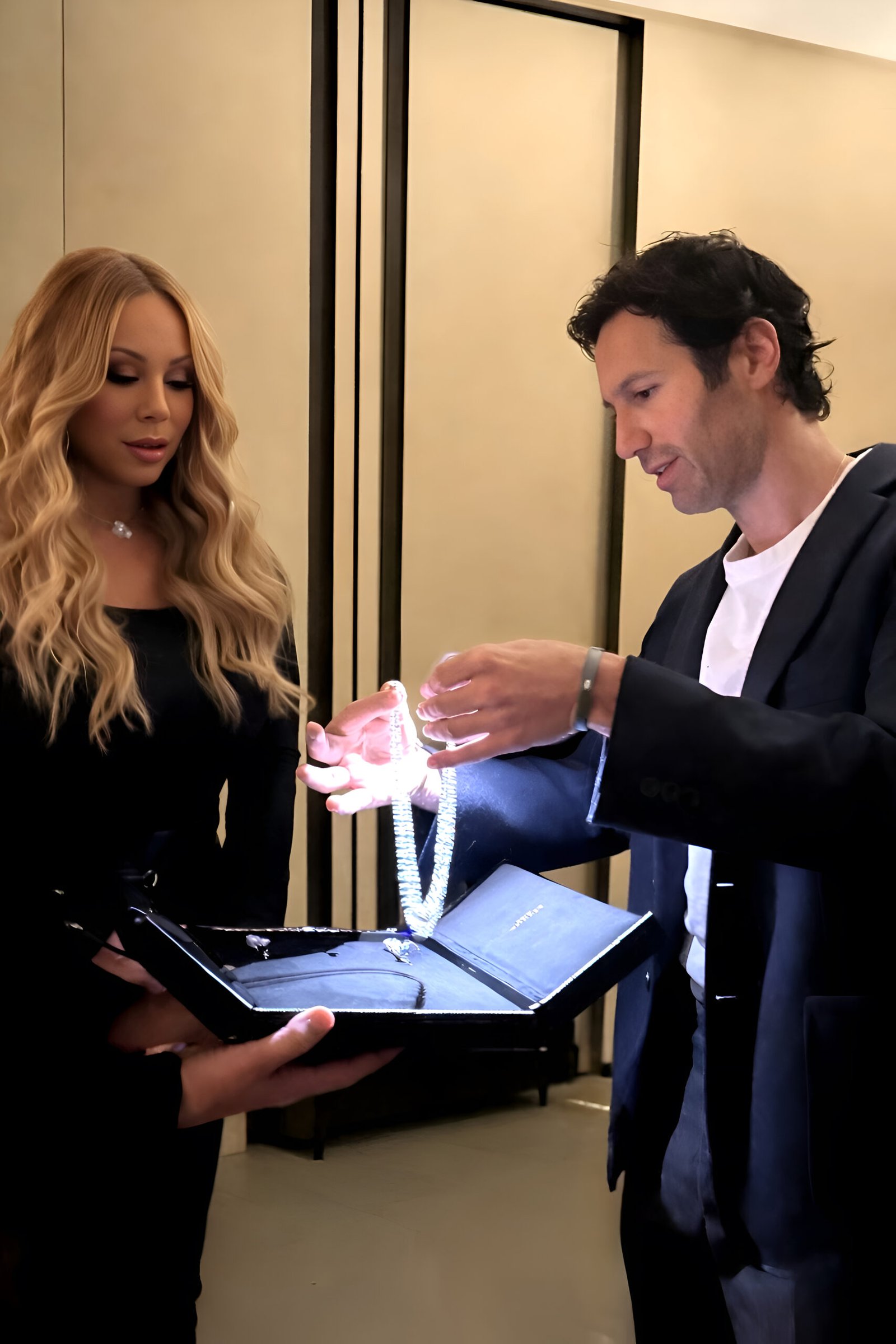
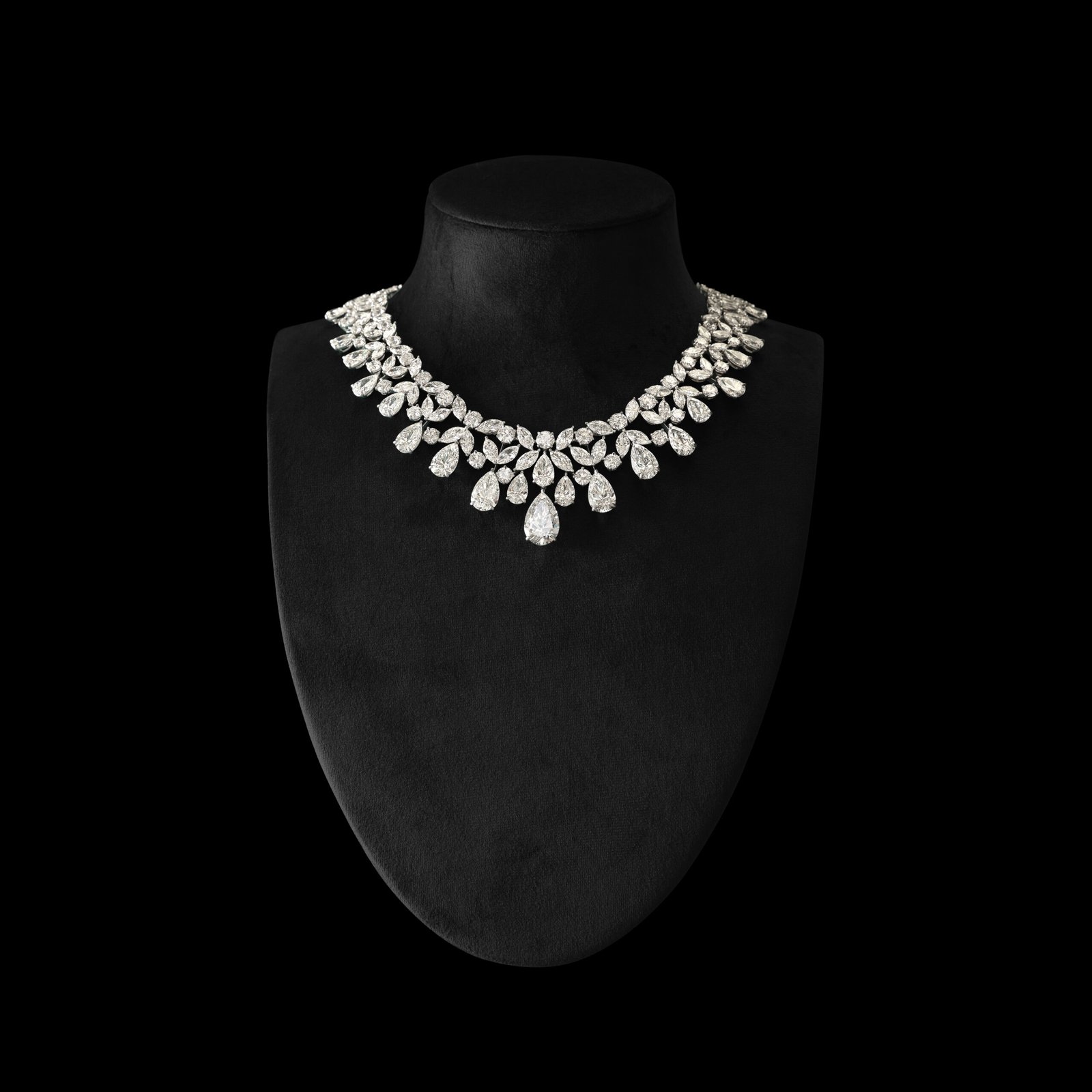
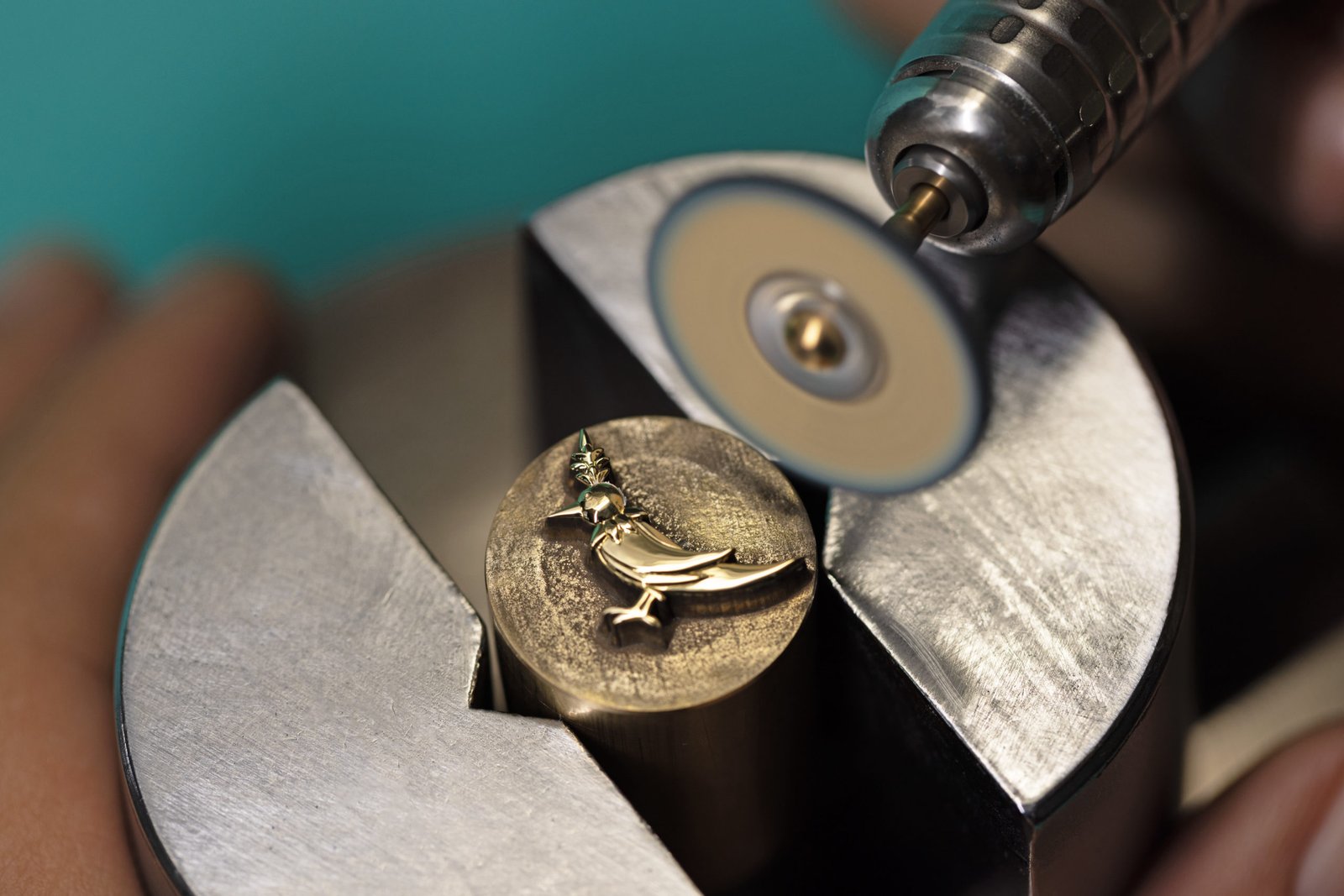
What follows is a meticulous choreography between designer and artisan. Master setters, polishers, and goldsmiths—each a specialist in their own right—work in sequence, often over hundreds of hours, refining proportions down to fractions of a millimetre. The back of a setting, unseen by the wearer, is finished with the same devotion as its façade. Edges are softened, tensions calibrated, light engineered. “We don’t compromise”, Khalil says. “True and great craftsmanship takes time, and that time is essential to achieving precision.” Despite its deep heritage, over a century of diamond expertise across four generations, LEVUMA’s aesthetic is strikingly modern. Though not because it chases trends, but because it edits them out. “Our heritage is embedded in every decision, but never presented overtly,” he explains. “What feels contemporary is the restraint—removing everything that isn’t essential.” This philosophy extends across generations. “Heritage alone is not enough,” he adds. “We are constantly pushing forward to ensure our work continues to evolve and remain relevant today.”
To create a LEVUMA piece is to accept a certain responsibility. These are not seasonal objects; they are intended to outlive their moment. Khalil’s worldview is inherently cross-cultural, shaped by a life lived between Antwerp, London, Paris, Dubai, Johannesburg, Montreal and beyond. “Growing up across cultures gave me a broader and more instinctive understanding of what luxury means,” he says. Each city informs the maison’s identity. “Antwerp instilled discipline and minimalism, Paris refined my sense of elegance, and the Middle East taught me the importance of warmth, generosity, and a deep appreciation for jewellery.” This cross-cultural influence mirrors a wider shift in the industry. “Luxury is becoming increasingly global”, he observes. “The traditional European framework is still important, but it is no longer the only reference point.”