
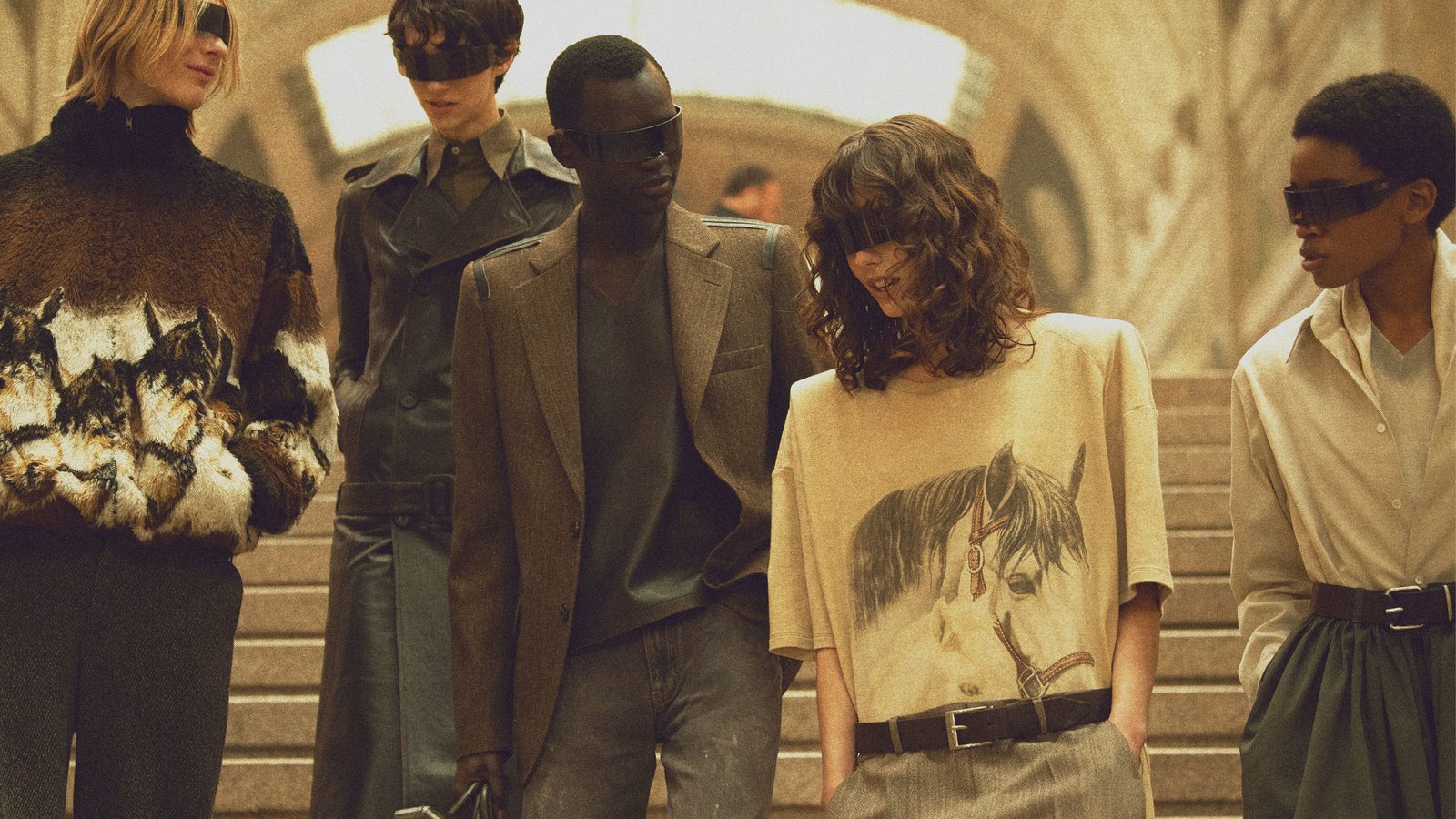
For its Autumn-Winter 2026 campaign, MM6 Maison Margiela retraces the steps of its latest runway show, staged against the backdrop of Milano Centrale railway station. Amid arrivals and departures, anonymous travellers and those seeking to capture attention, the Maison continues its exploration of the characters that populate everyday life. A place of transit where silhouettes cross paths without ever truly meeting, the station was transformed into an impromptu runway for the occasion. With this campaign, MM6 extends its staging of the everyday, remaining true to its distinctive approach to fashion, in which the most familiar garments become a canvas for experimentation.
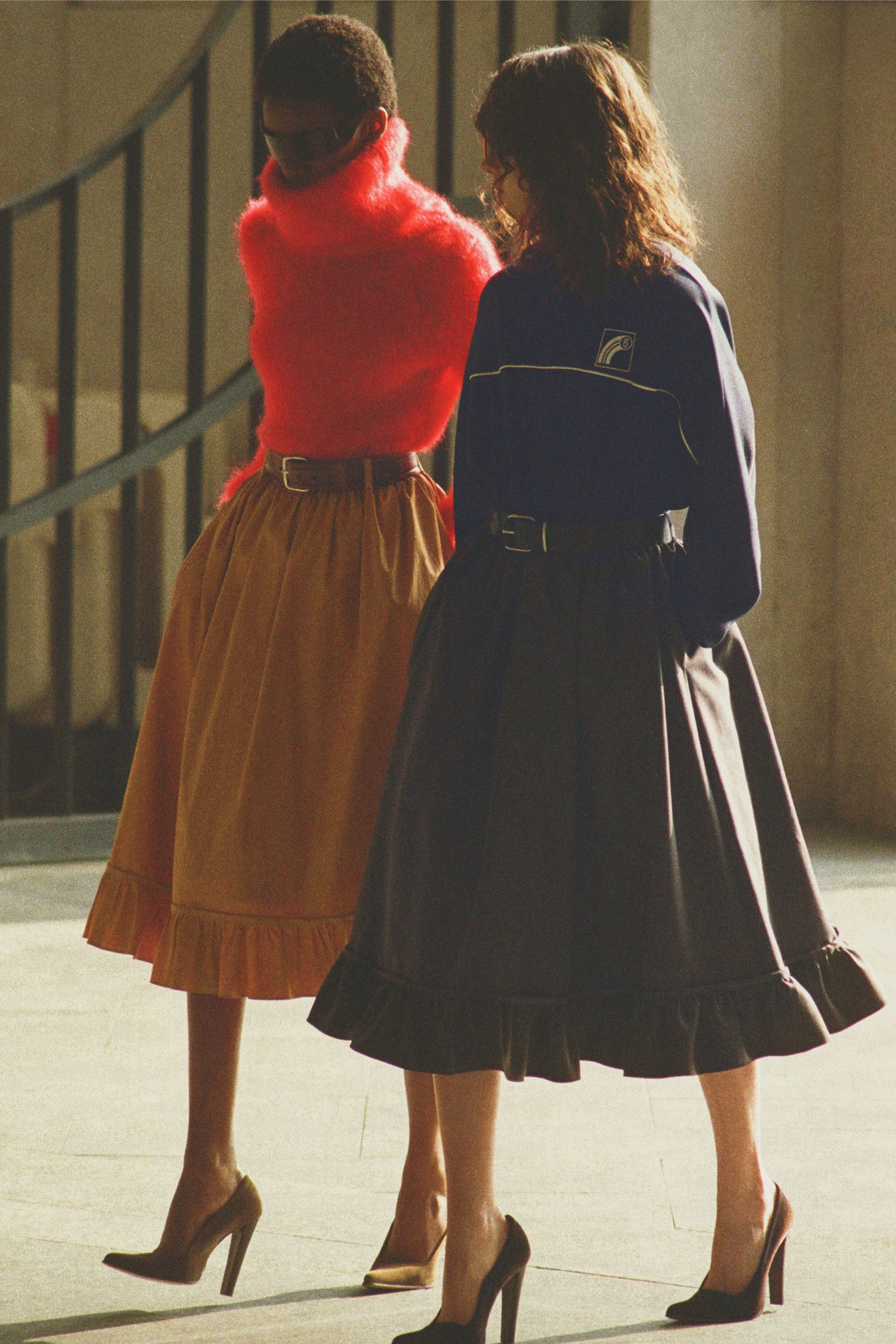
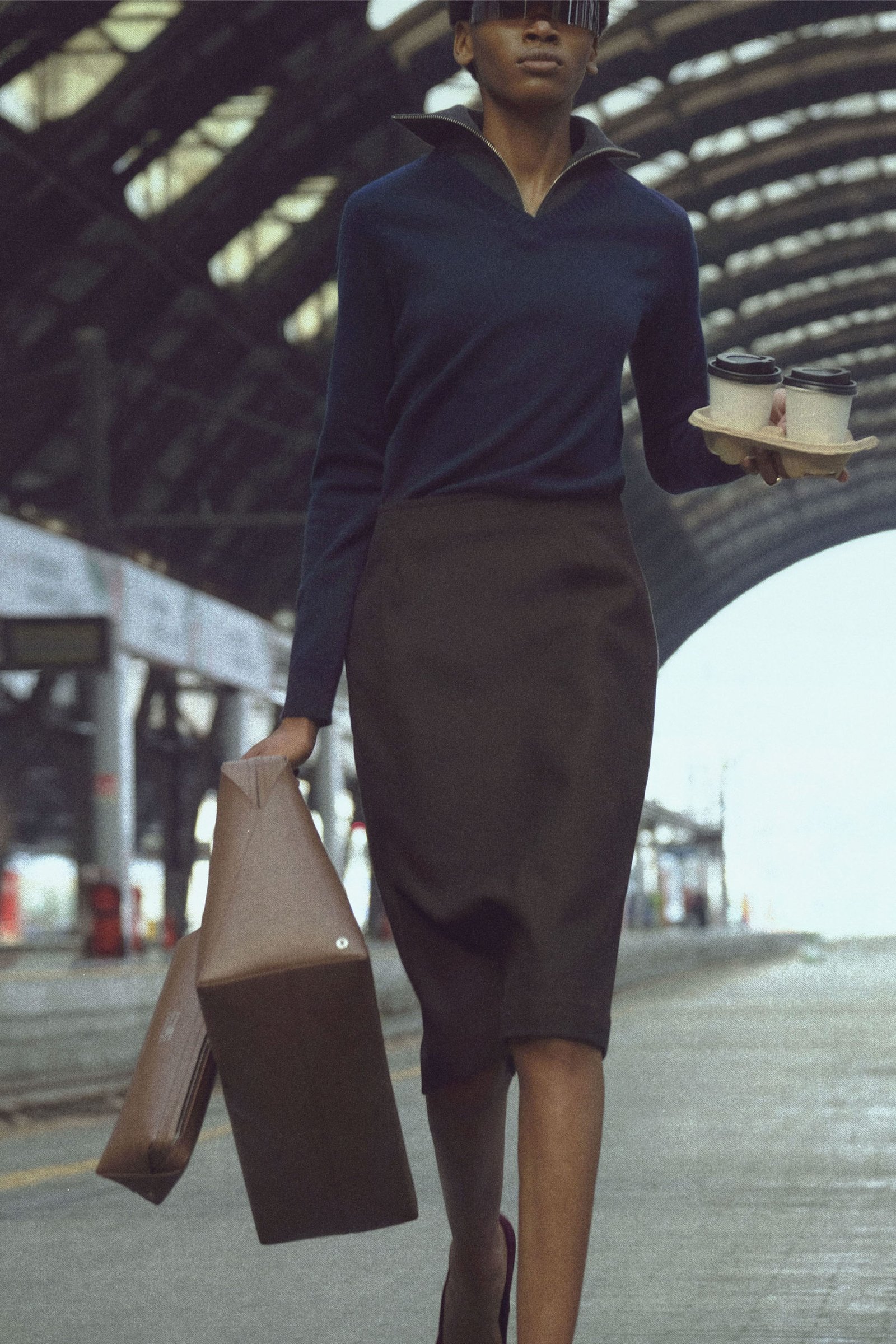
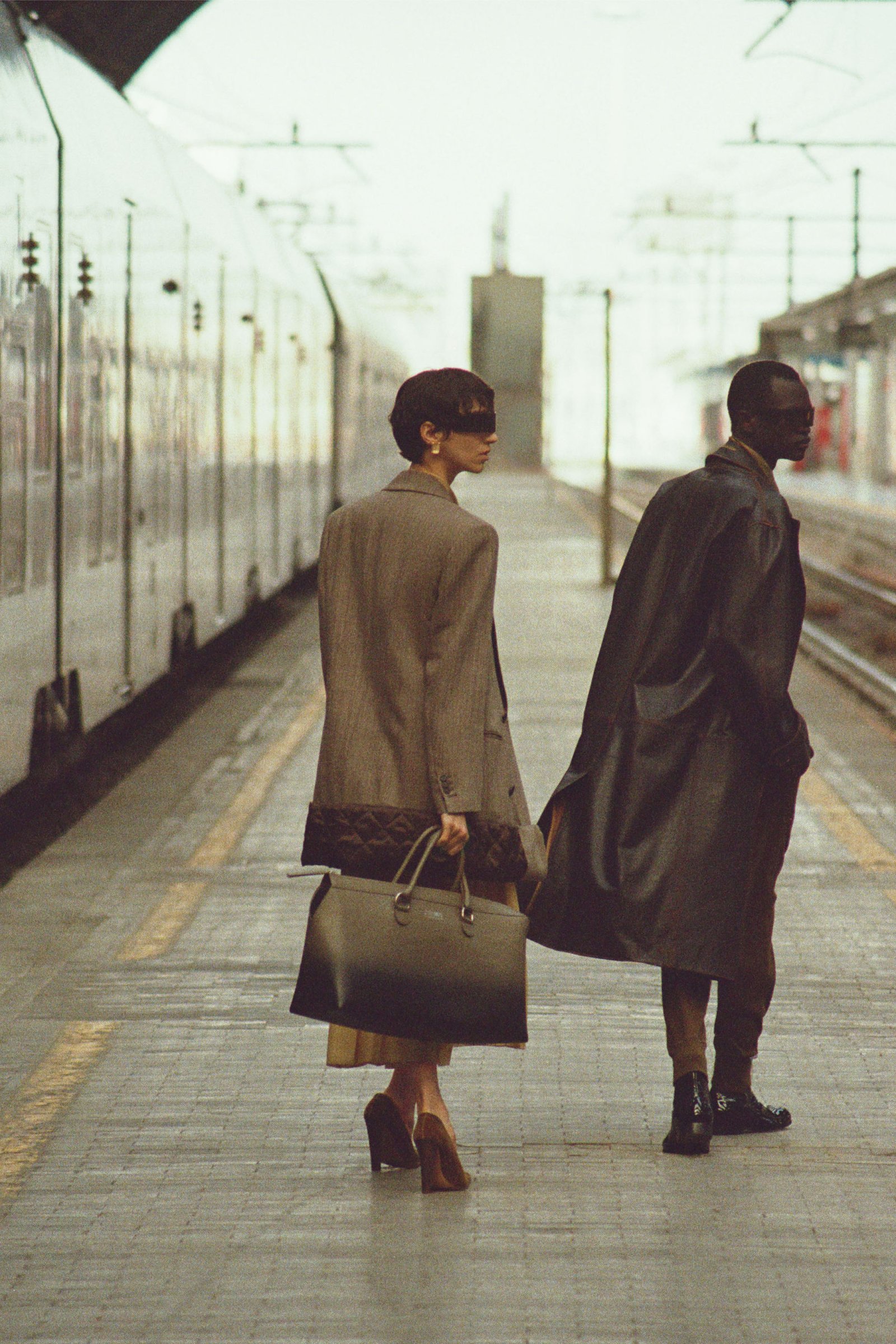
Behind the Maison’s signature eyewear, now reimagined in a palette of vivid colours, the characters cultivate an air of apparent ordinariness, subtly disrupted by unexpected details. Checked shirts, denim jackets, blazers, voluminous skirts and ski sweaters form a wardrobe borrowed from everyday life, with proportions and combinations deliberately subverted. Ribbed jersey backs refine the silhouettes, linings are brought into view, and adjustable hems alter the construction of each piece. A tracksuit top is paired with a voluminous skirt, while a blazer is layered over long johns, blurring the boundaries between loungewear, sporting references and tailoring. Through these unexpected combinations, MM6 embraces its distinctive aesthetic of dissonance, transforming the most familiar codes of dressing into something entirely new.
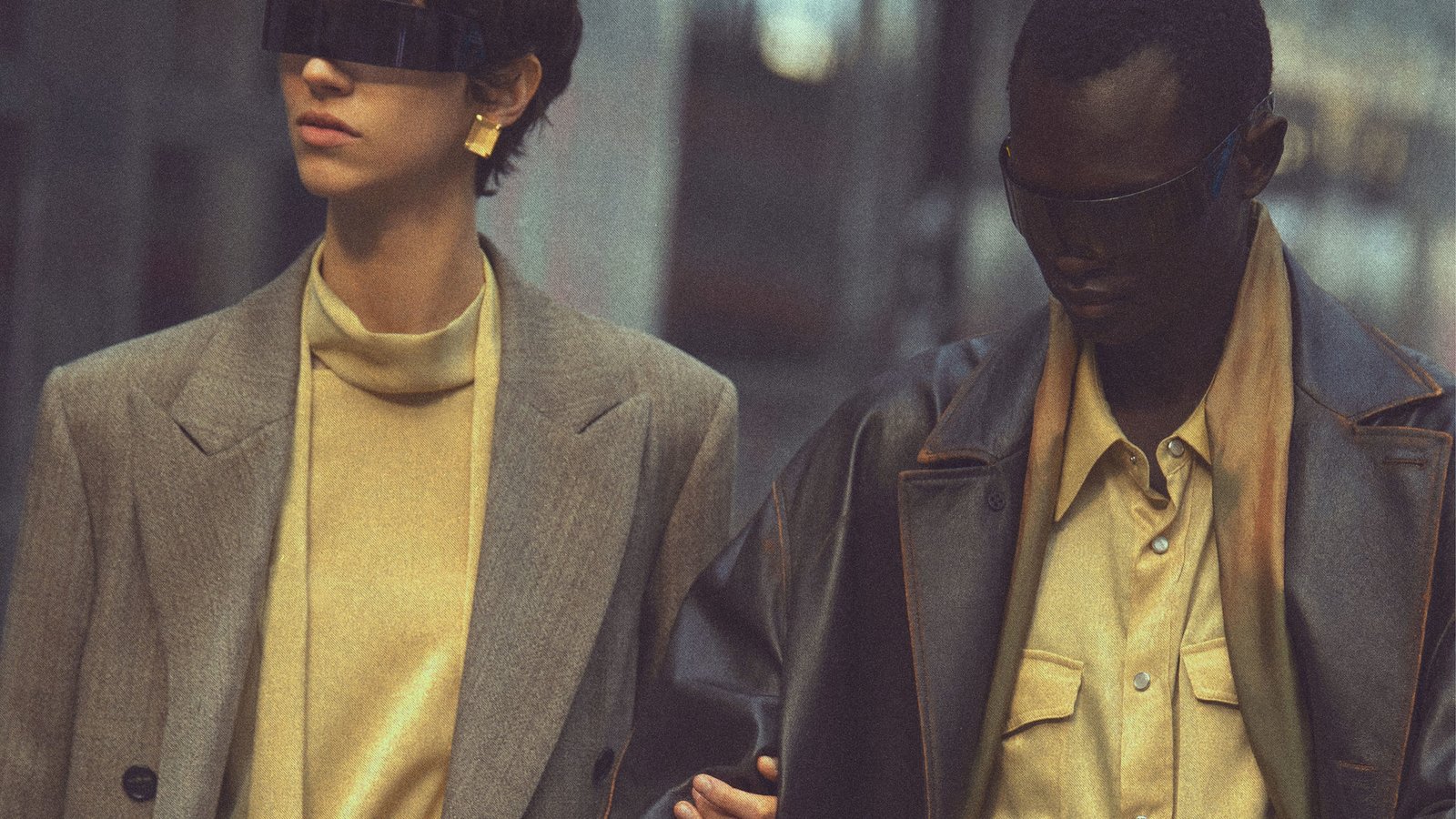
Photographed by Philippine Chaumont and Agathe Zaerpour, the campaign draws on cinema’s powers of observation and storytelling. Travellers become protagonists in stories whose beginnings and destinations remain unknown. A hurried silhouette, a gaze concealed behind tinted lenses or a familiar gesture is enough to suggest personalities one might encounter on any given day. Accessories further enhance this sense of spontaneity, from Bauletto bags to earrings still attached to their display cards and rings stripped of their stones. Throughout this succession of everyday scenes, the boundary between reality and staging remains deliberately ambiguous. Milano Centrale thus becomes the setting for a collective fiction, where every traveller appears to have a story of their own, while each garment, through a subtle shift in perspective, hints at another.