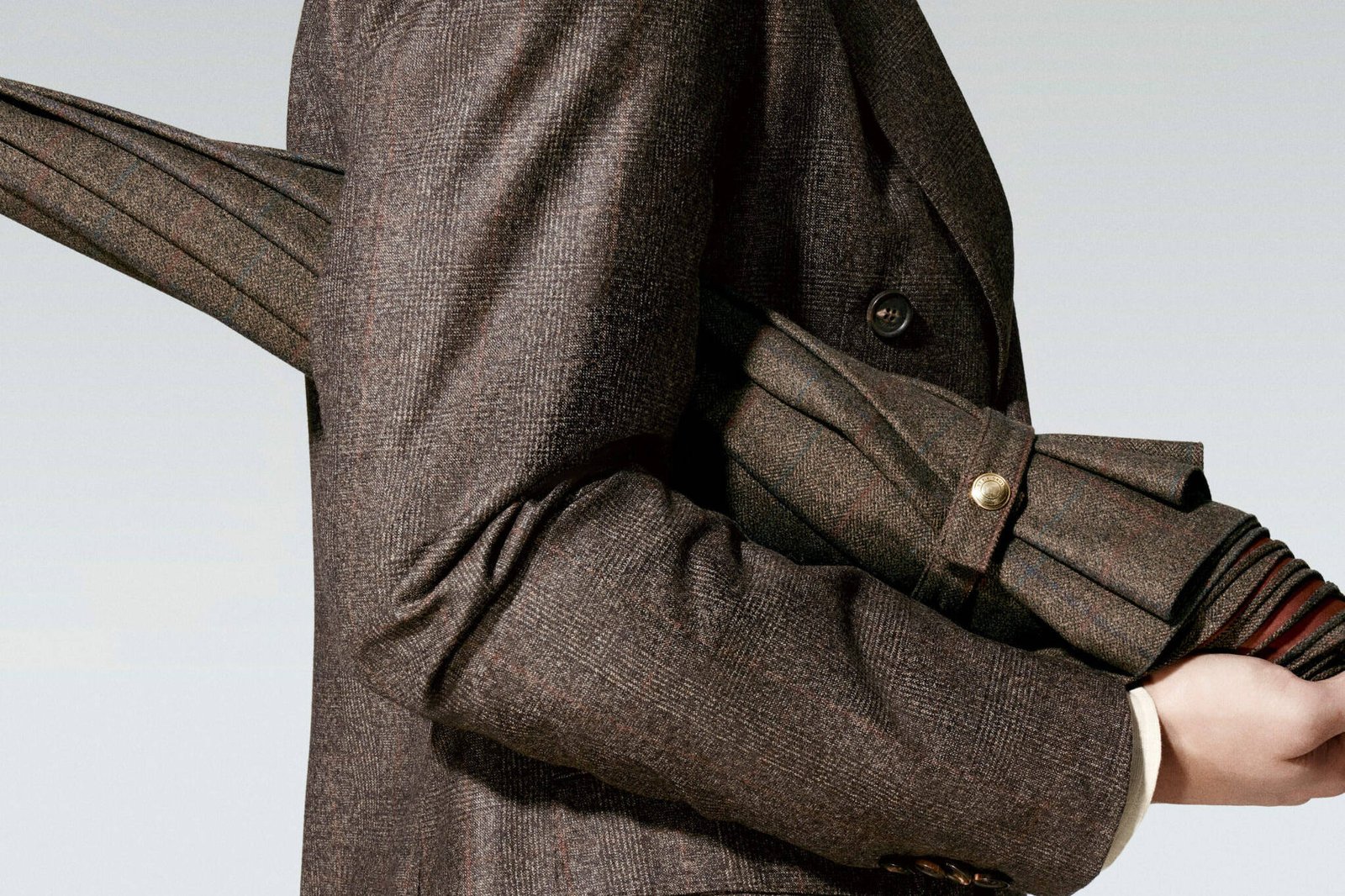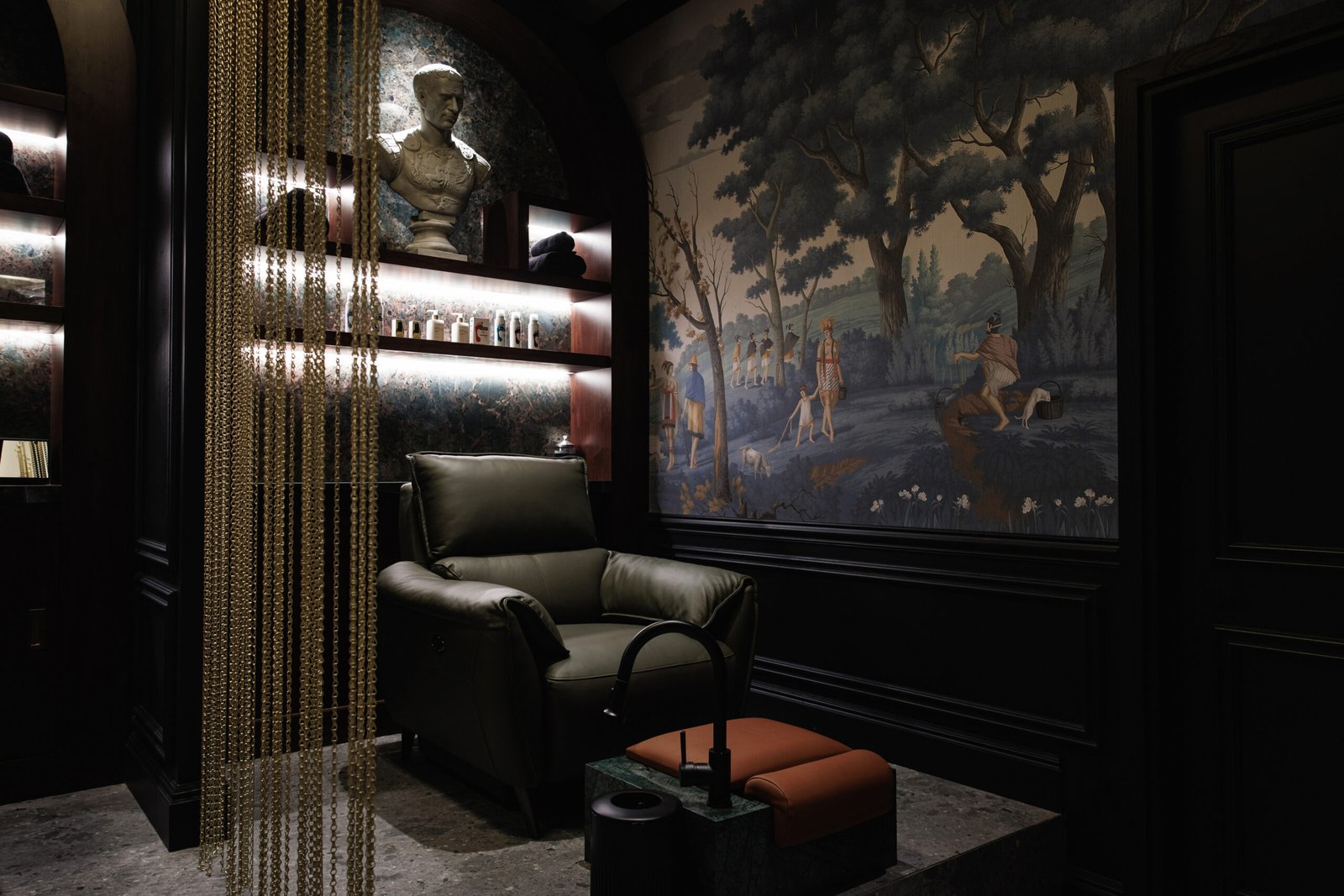


On a rain-slick London morning, there is a silhouette that seems to belong not to fashion, but to the city itself. A trench coat, belt loosely knotted, collar turned just enough to meet the weather, has long been built into this rhythm of life. Yet the luxury trench lineage did not begin here, in the theatre of urban elegance, but rather in the urgency of function. At the turn of the twentieth century, Thomas Burberry developed gabardine, a tightly woven, weatherproof fabric that would redefine the very notion of luxury outerwear. Originally designed for explorers and military officers, the coat that would become the trench was formalised during the First World War, when it was issued to British soldiers in the trenches. But unlike so many military garments that remain fixed in history, by the interwar years, the trench had already entered civilian life, retaining its discipline while acquiring a certain nonchalance. Thus, Burberry became synonymous with a particular kind of British composure, one that resists excess and instead finds its authority in absolute restraint.
Marking 170 years since its creation, the Burberry trench is one of the few garments to move beyond fashion altogether. It is not subject to trend cycles in the way most clothing is. Instead, it sits alongside the idea of Cool Britania style itself, somewhere between utility and craftsmanship, shaped as much by weather and movement as by design. Within that tradition, the trench stands as a kind of national signature, and has endured because it has remained faithful to a particular idea of craftsmanship that privileges integrity over interruption. It has travelled across decades, continents and entirely different cultural registers, retaining an authority over luxury outerwear. On Humphrey Bogart in Casablanca, it became a global symbol of menswear; later, on Kate Moss, it took on a different cadence altogether, though the coat itself remained unchanged.

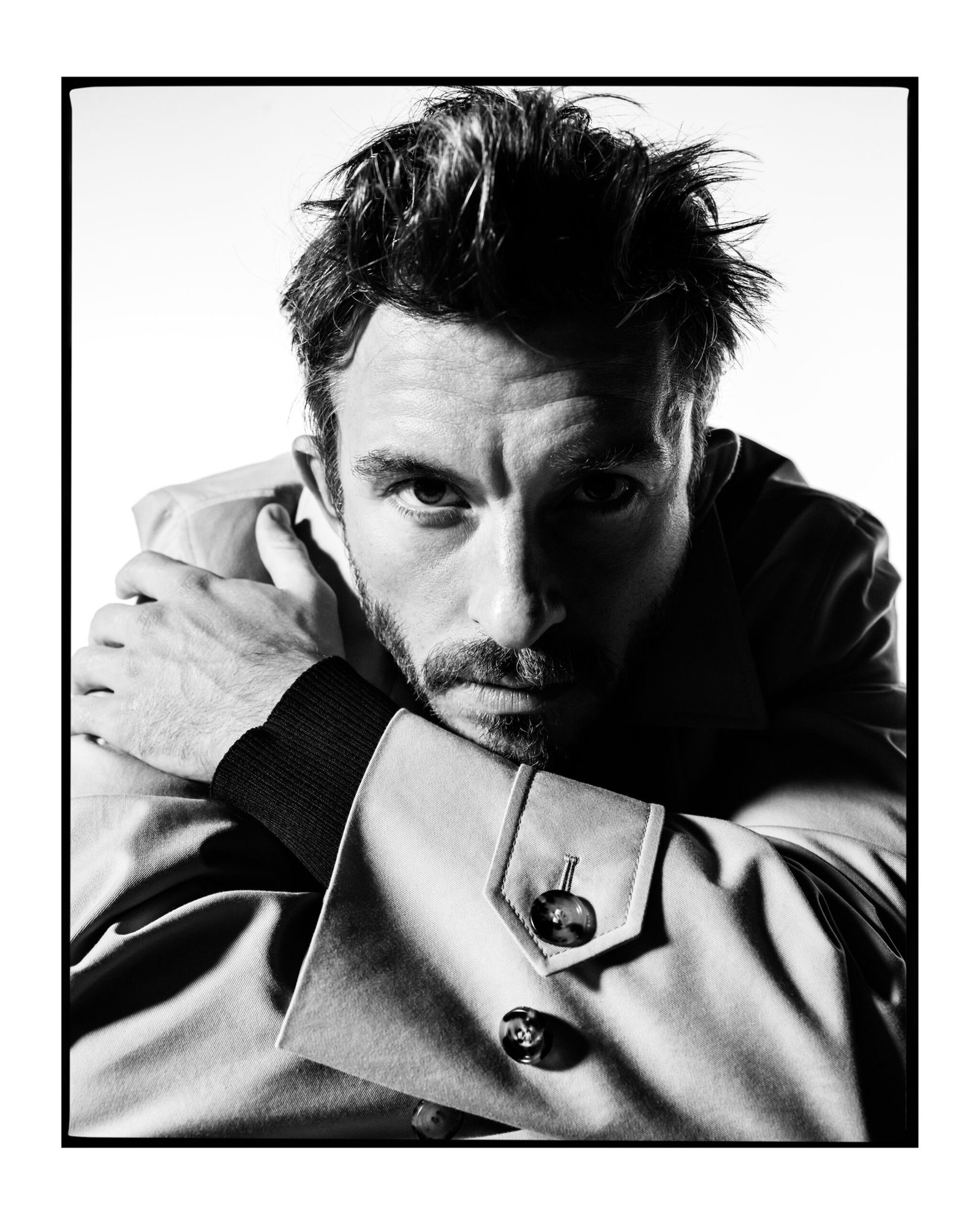

Burberry’s newest campaign, The Trench: Portraits of an Icon, celebrates the craftsmanship of its historic coat, honoured and reimagined under creative director Daniel Lee. The campaign brings together figures from across contemporary film, music, and fashion including Jonathan Bailey, Kate Moss, Kendall Jenner and Rosie Huntington-Whiteley. It is a fitting approach, because the trench has never belonged to a single narrative. It has, rather, been adopted, adapted, and absorbed into lives far removed from its origins, yet it continues to carry with it a distinctly British sensibility.
There is a tendency, particularly now, to frame heritage pieces in fashion as something to be revisited or revived. Yet Burberry does not require revival at all. The trench coat continues to move through the world, collecting new meanings without shedding its old ones. It belongs as easily to London as it does to New York, Paris, or Dubai. It remains what it has always been; a coat, certainly, but also a measure of a standard of craftsmanship and that of a national character. And, perhaps most importantly, a reminder that true luxury holds attention quietly over time.