
A great perfume is never quite finished. Harvests shift from one year to the next, suppliers come and go, and the regulations governing perfumery are rewritten with quiet regularity. Each small substitution is imperceptible on its own, yet over the decades they accumulate, drawing a classic gently away from the composition its creator first signed off. Even a house of Dior’s stature is not immune.
Francis Kurkdjian’s answer has been to return to the source. Dior’s Perfume Creation Director since 2021, and the nose behind Baccarat Rouge 540, he has gone back into the maison’s archives, retrieved the original formulas and set about restoring them with the patience of a conservator at work on an old master. “A perfume should be cherished and looked after like a fragile work of art that is subject to the vagaries of time,” he says.
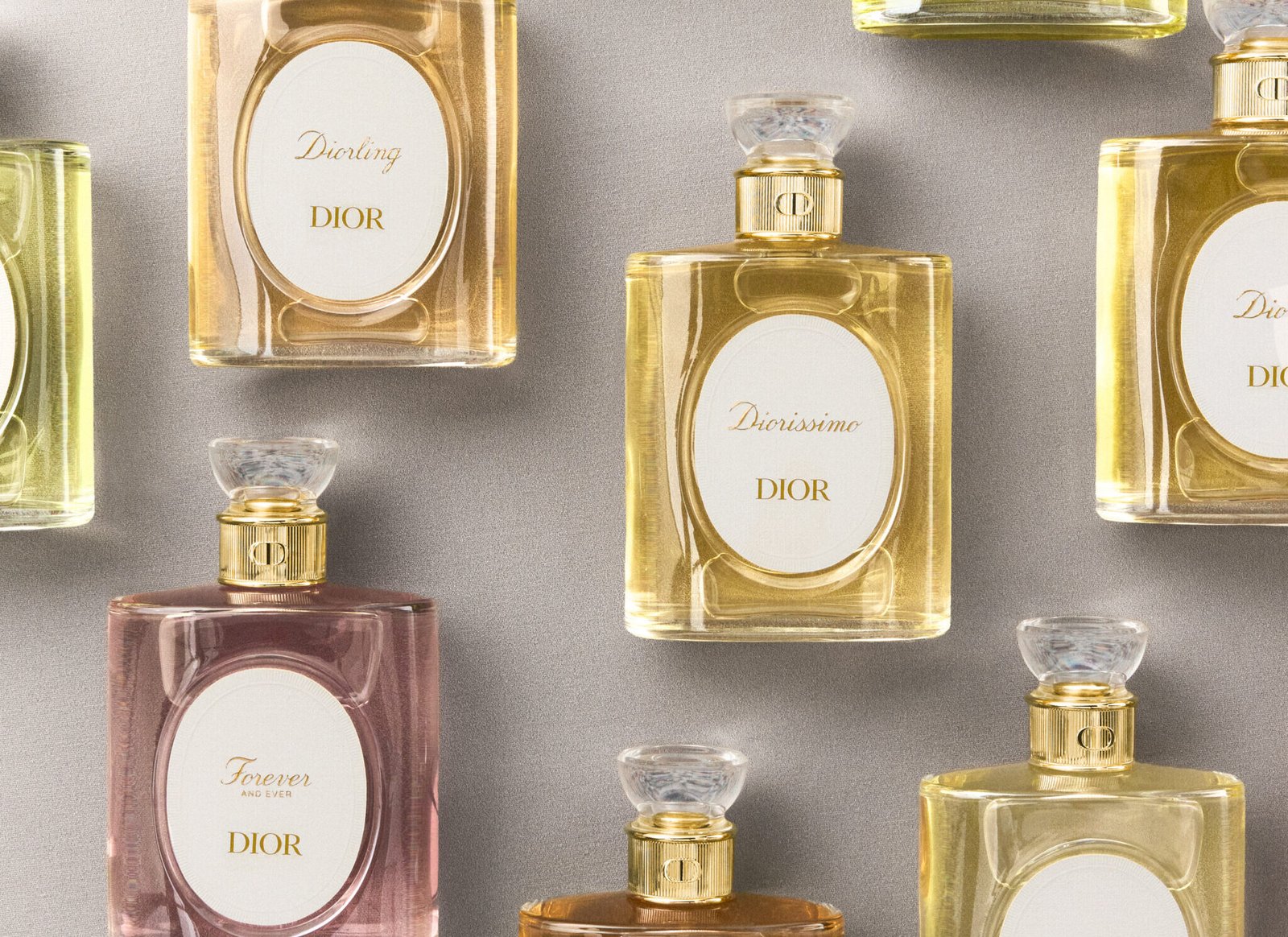
The result is Dioriginals, thirteen of the house’s most celebrated fragrances restored and relaunched as a single collection. Spanning almost 80 years, it is arranged in two distinct eras that together chart the maison’s enduring devotion to the art of perfumery.
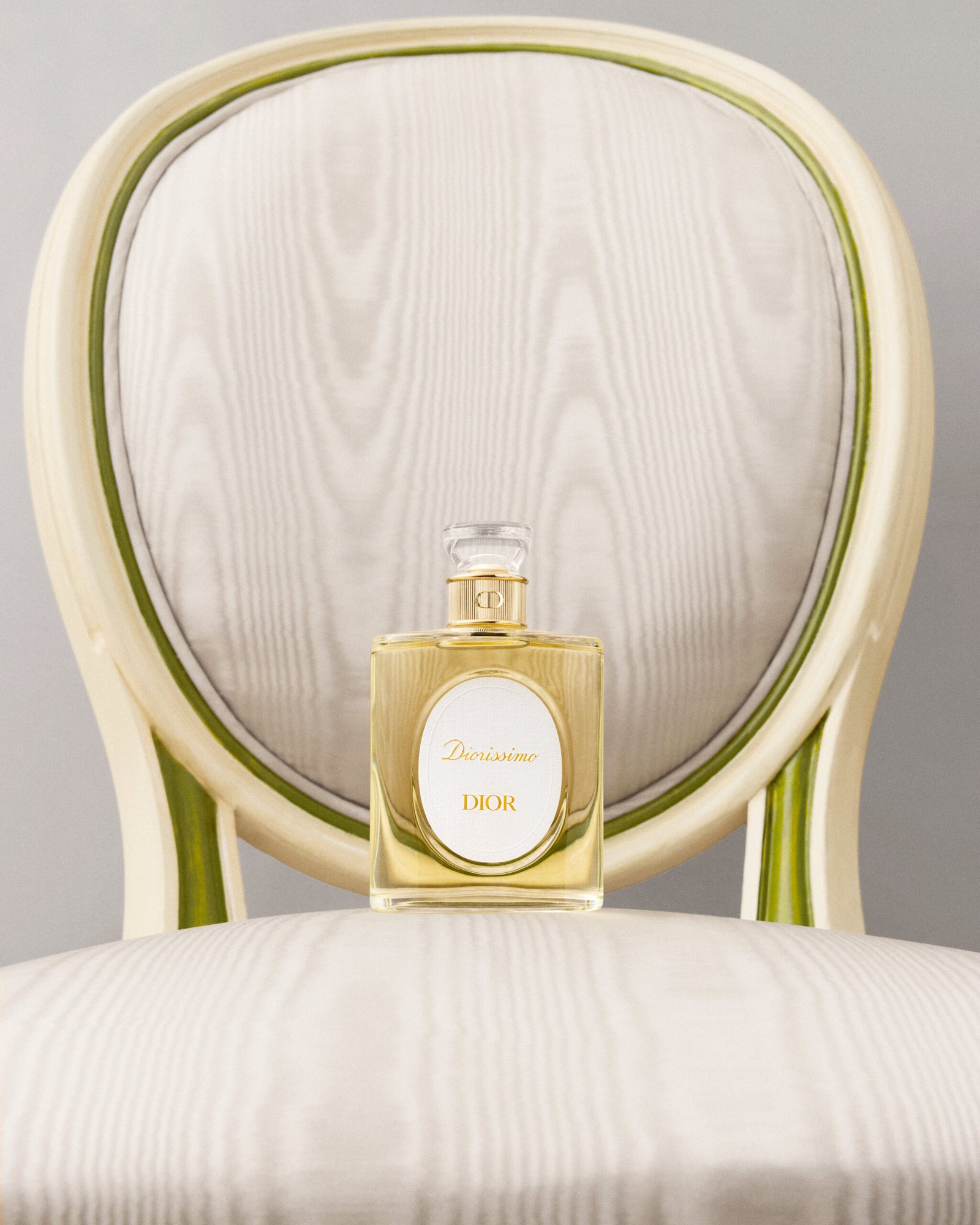
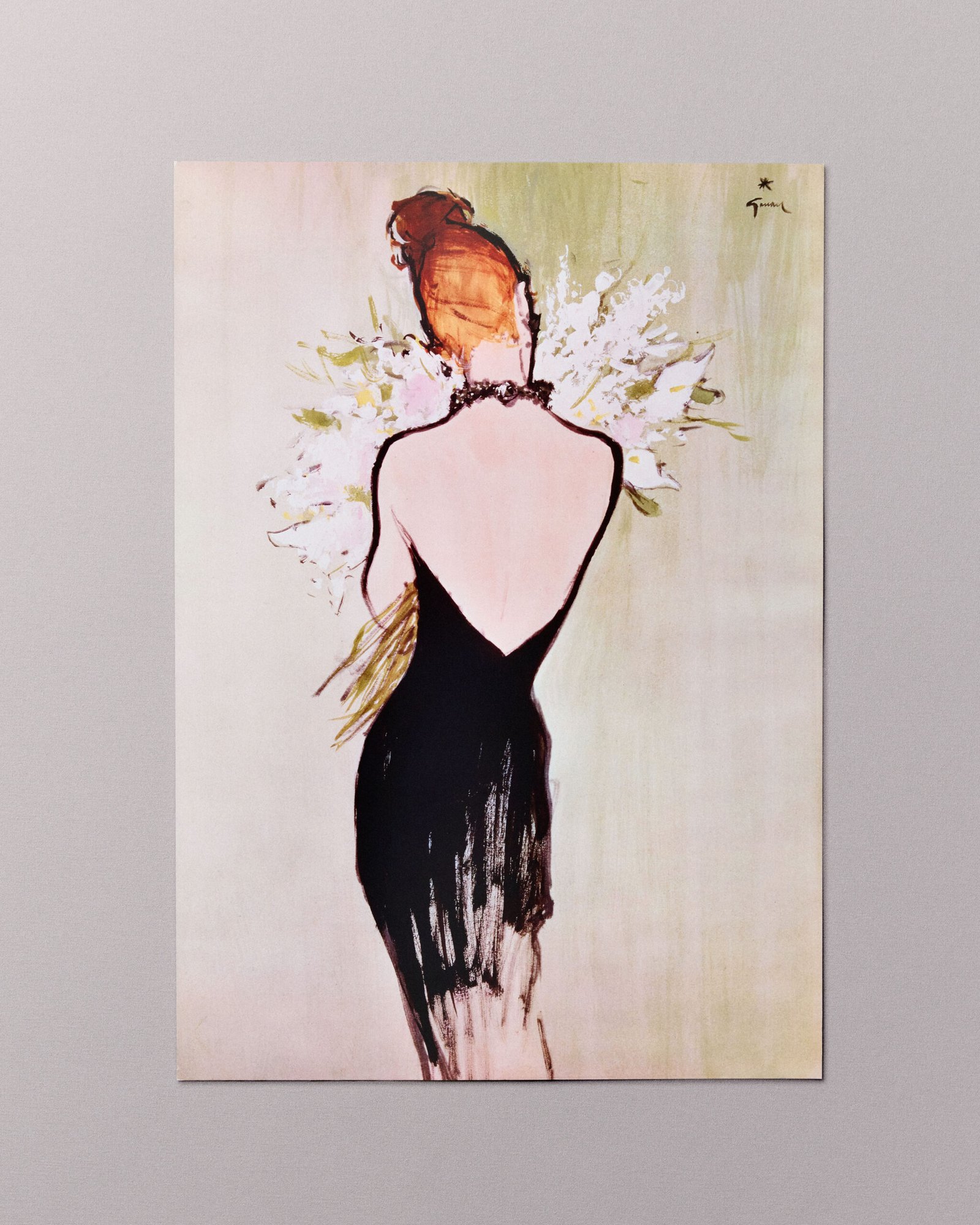
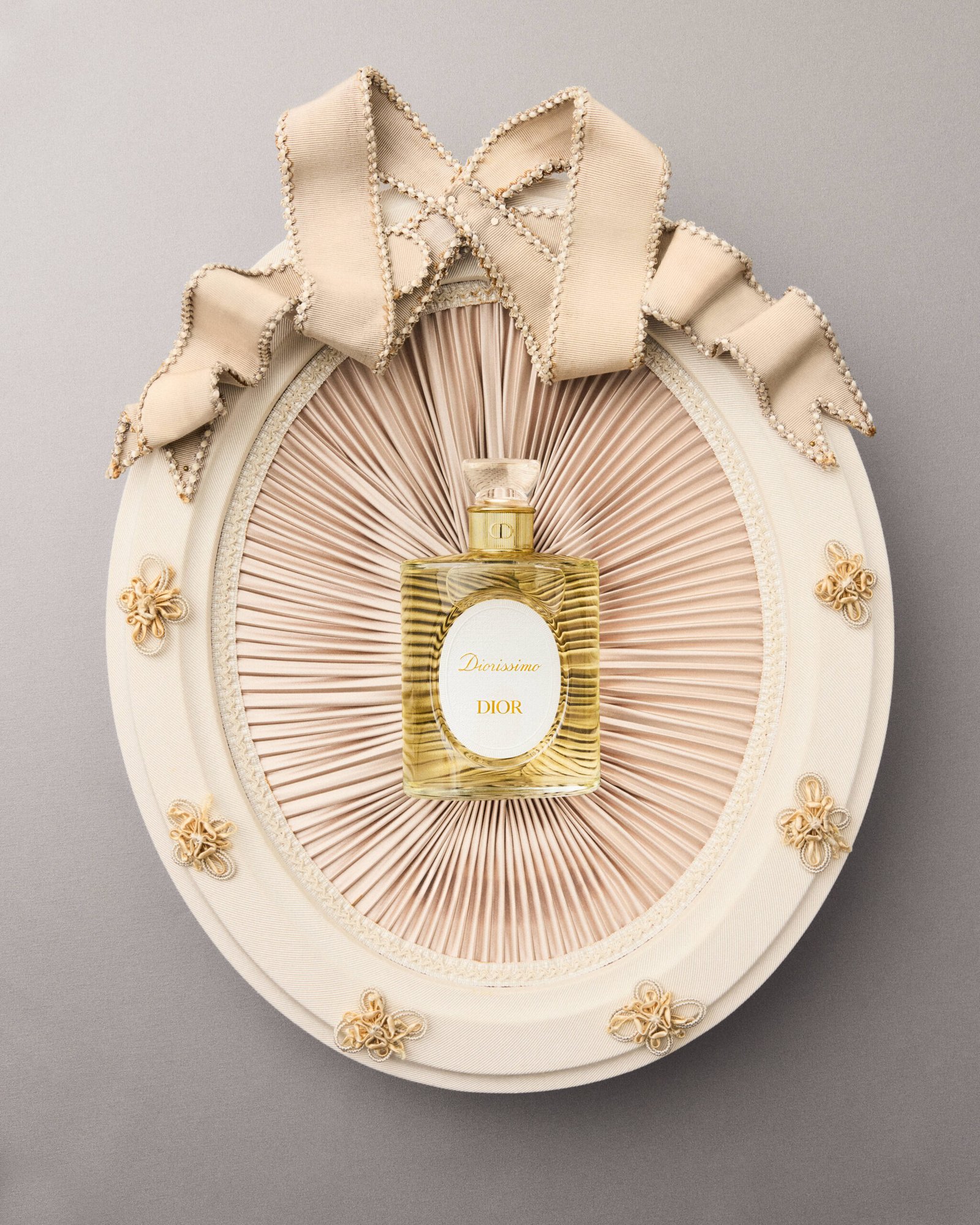
The first era pays homage to the old masters, above all the legendary perfumer Edmond Roudnitska. Diorama, first introduced in 1949, returns with its jasmine drawn further into the light. Eau Fraîche, from 1955, carries a rare distinction as the cologne Christian Dior himself wore. Launched as Eau de Cologne Fraîche, it was a strikingly modern formula in its day, and Kurkdjian has sharpened its citrus and bergamot while reworking the basil and tarragon notes that regulation had placed at risk. A cologne of such pedigree deserves to make the same impression now as it did then, and in its restored form it does. Diorissimo, released in 1956 as one of the pioneering fragrances built around lily of the valley, rejoins the line-up, alongside Diorling, composed by the perfumer behind Miss Dior, and Diorella.
The second era, running from 1979 to 2003, is bolder and more exuberant in spirit. Dioressence, once described as “Christian Dior’s barbaric perfume”, is given a renewed treatment, as are Dune, Dolce Vita, Dune Homme, Higher, Forever and Ever and Higher Energy. For many, though, the centrepiece will be Jules. Created by Jean Martel in 1980, it sets lavender, clary sage and black pepper over warm amber woods, and for years it was a fixture of the masculine wardrobe. Kurkdjian calls it “the scent of an era, of straight-up virility.” Successive regulations had gradually softened its character, so its spices, mosses and tonka bean have been readjusted and reinterpreted to return it to full strength.
Every fragrance in the collection arrives in a refined edition of the Dior Ovale bottle, first designed in 1948, now finished with a grooved metal ring engraved with the CD monogram. In a region where fragrance is so often treated as heirloom rather than accessory, there is something especially fitting about a house choosing restoration over reinvention. Thirteen masterpieces, each returned to its original light, and each given a frame worthy of it.