
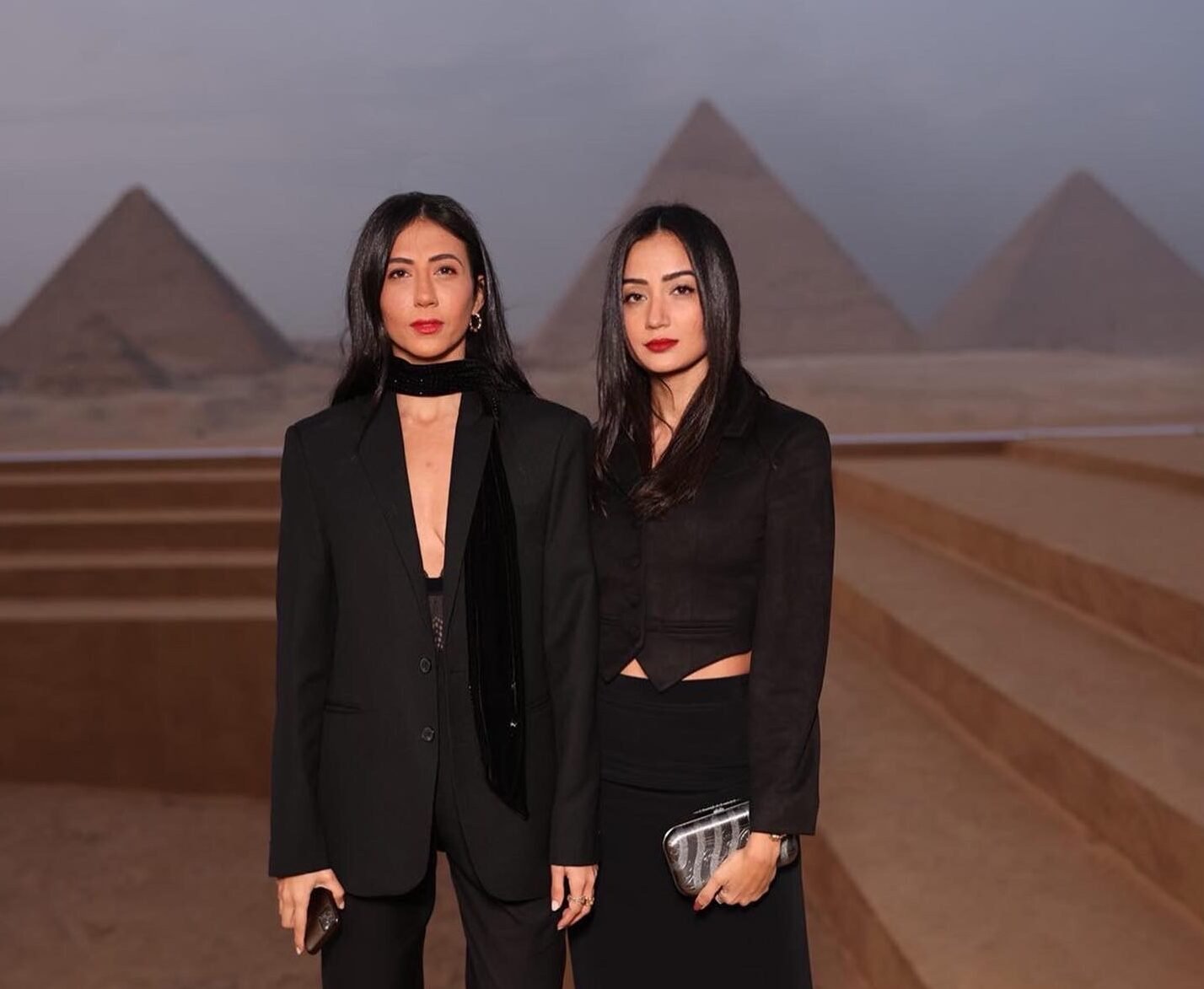
Fashion in the Middle East is entering a phase defined less by spectacle and more by intention. A new generation of brands are shifting the conversation grounding design in narrative, craftsmanship, and cultural awareness rather than trend cycles. At the heart of this movement sits Egyptian luxury accessories maison Okhtein, a brand that has consistently translated regional identity into a contemporary global language. In conversation with Eyes Arabia, the sister duo behind Okhtein break down their creative vision, their relationship with regional designers, and how they see the future of fashion evolving across the Middle East.
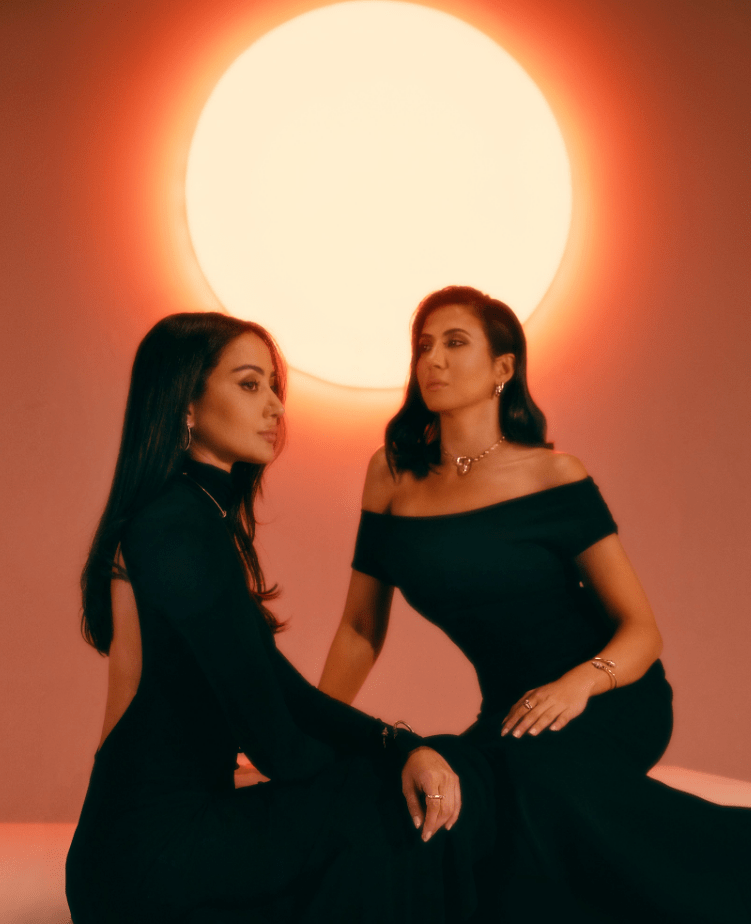
Founded by sisters Aya Abdelhamid and Mounaz Abdelhamid, Okhtein has grown through an ongoing dialogue between instinct, structure, and lived experience. As Egyptian designers building a label that speaks both locally and globally, their approach has been shaped by time, pressure, and an unwavering belief in craft. Through a series of questions, Aya and Mounaz reflect on how their work has evolved, what has remained constant, and how Okhtein continues to navigate its place within a changing regional and international fashion landscape.
Eyes Arabia: What has the journey been like to build Okhtein to its current success?
Aya: The part of me that has grown the most is my awareness of people. When we started Okhtein, everything felt very close and personal. Over time, I learned how much building something together affects not only us, but everyone around us. That awareness made me more attentive and more intentional. What has stayed the same is my instinct. I still feel things before I explain them. I still trust that emotional response to people, to design, and to situations. That instinct has always been there, and it still leads me.
Eyes Arabia: What does success look like to you today compared to when you first started?
Mounaz: Success meant turning an idea into reality. It was about seeing the brand come to life, seeing women carry our designs, and watching Okhtein leave Cairo and be understood beyond its place of origin. It was proof that what we imagined could travel and connect. Today, success is longevity. It is consistency and depth. It is knowing that the belief we started with is still there after difficult seasons and demanding moments. It is also the ability to make hard decisions when necessary, while protecting what matters most. Being able to grow the brand without losing each other in the process has become one of the clearest measures of success for me.
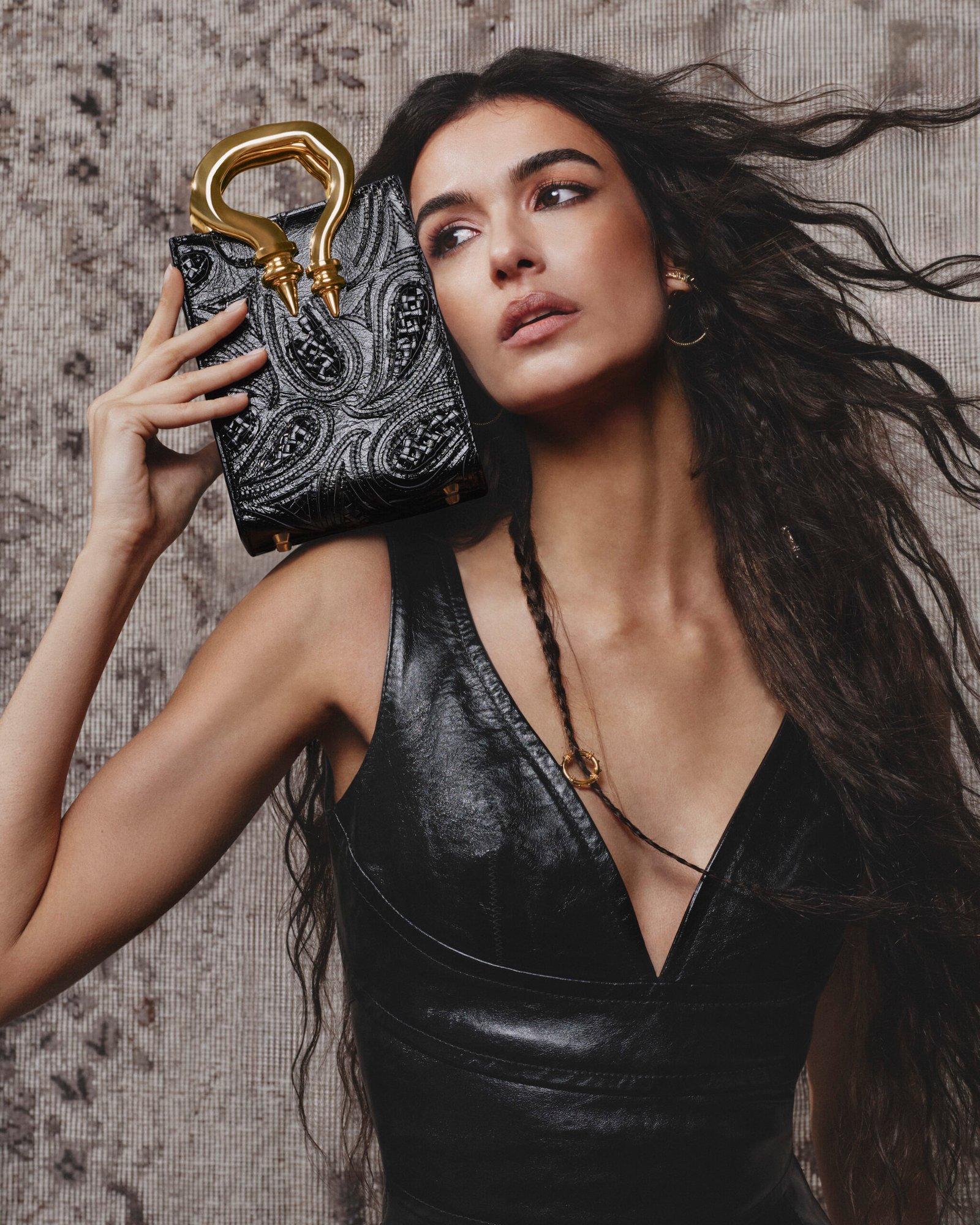
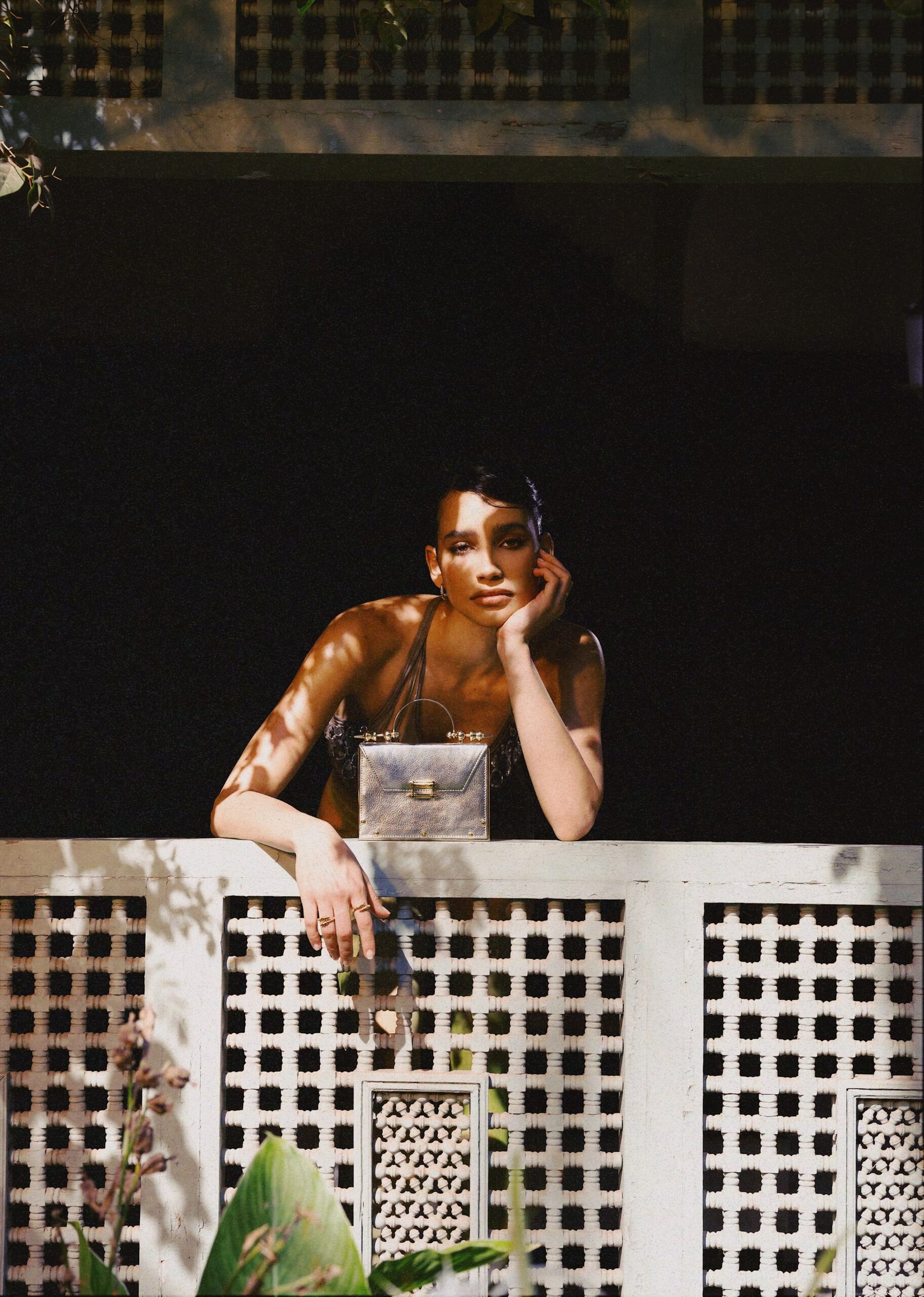
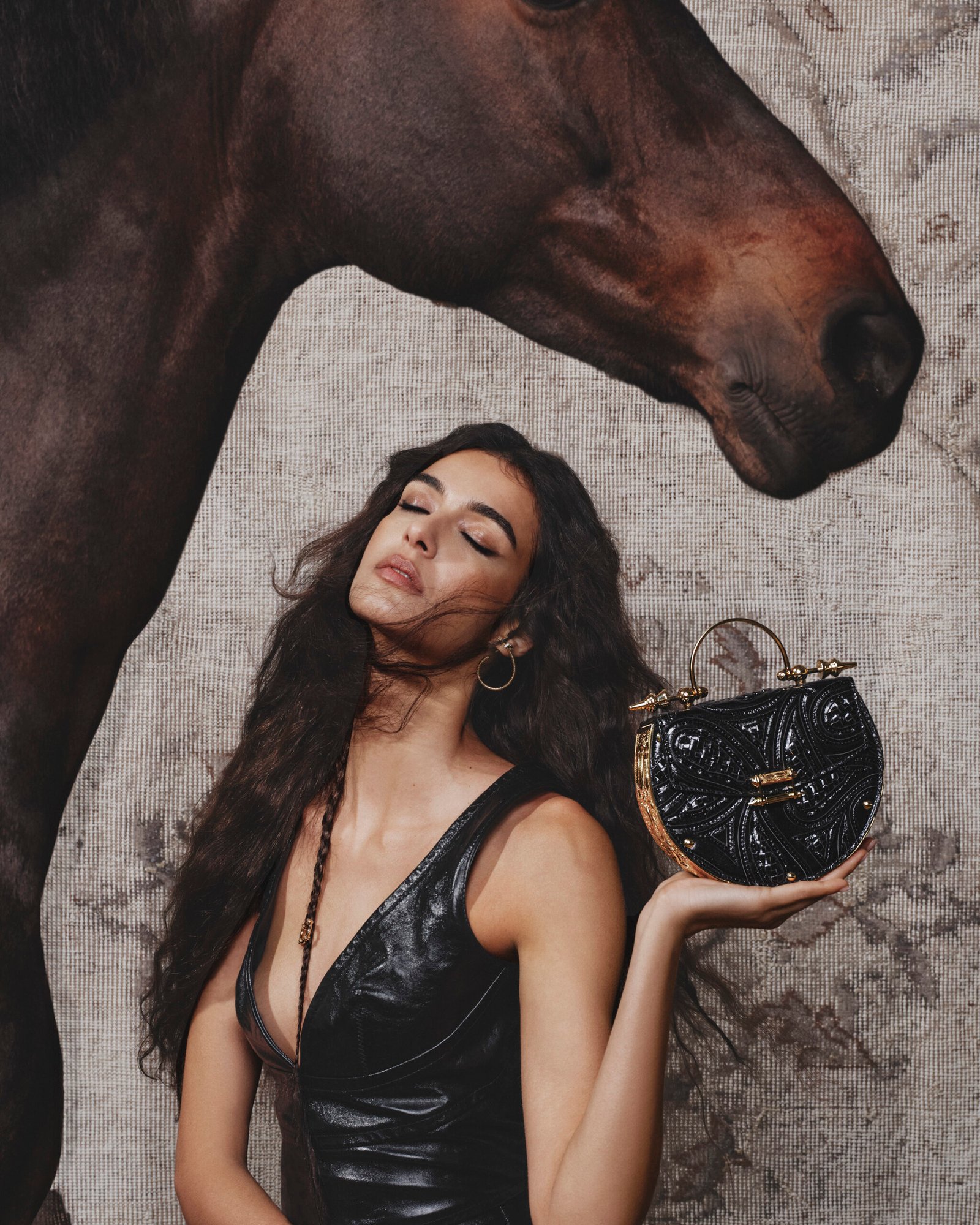
Eyes Arabia: What has the success of Okhtein taught you?
Both: Okhtein revealed to us that we are not only sisters who love each other. We are two very different people who had to learn how to protect that love while carrying weight together. Before the brand, our bond was natural. It was laughter, closeness, and instinct. The business revealed how much strength it takes to stay close when decisions are hard, when pressure is public, and when you cannot walk away from the day.
Eyes Arabia: How has Okhtein’s international success changed the perception of Egyptian craft and Egyptian fashion more broadly on the global stage? Do you feel a responsibility in how that story is told today?
Both: When we started, Egypt was rarely seen as a place that could produce contemporary luxury fashion. The global conversation often overlooked it entirely, not because of a lack of talent or craftsmanship, but because the narrative simply did not exist. Over time, we have seen a clear shift in how Egyptian fashion is perceived internationally. It is no longer viewed only through history or tradition, but increasingly as contemporary and relevant to the global fashion conversation. With that visibility comes responsibility.
We are very aware that how our work is seen also reflects where we come from. It matters to us that Egyptian craft is represented with depth and intention, not reduced to a symbol or a stereotype. Our culture is rich and evolving, and we feel responsible for showing that reality through design that feels modern while staying rooted in its identity.
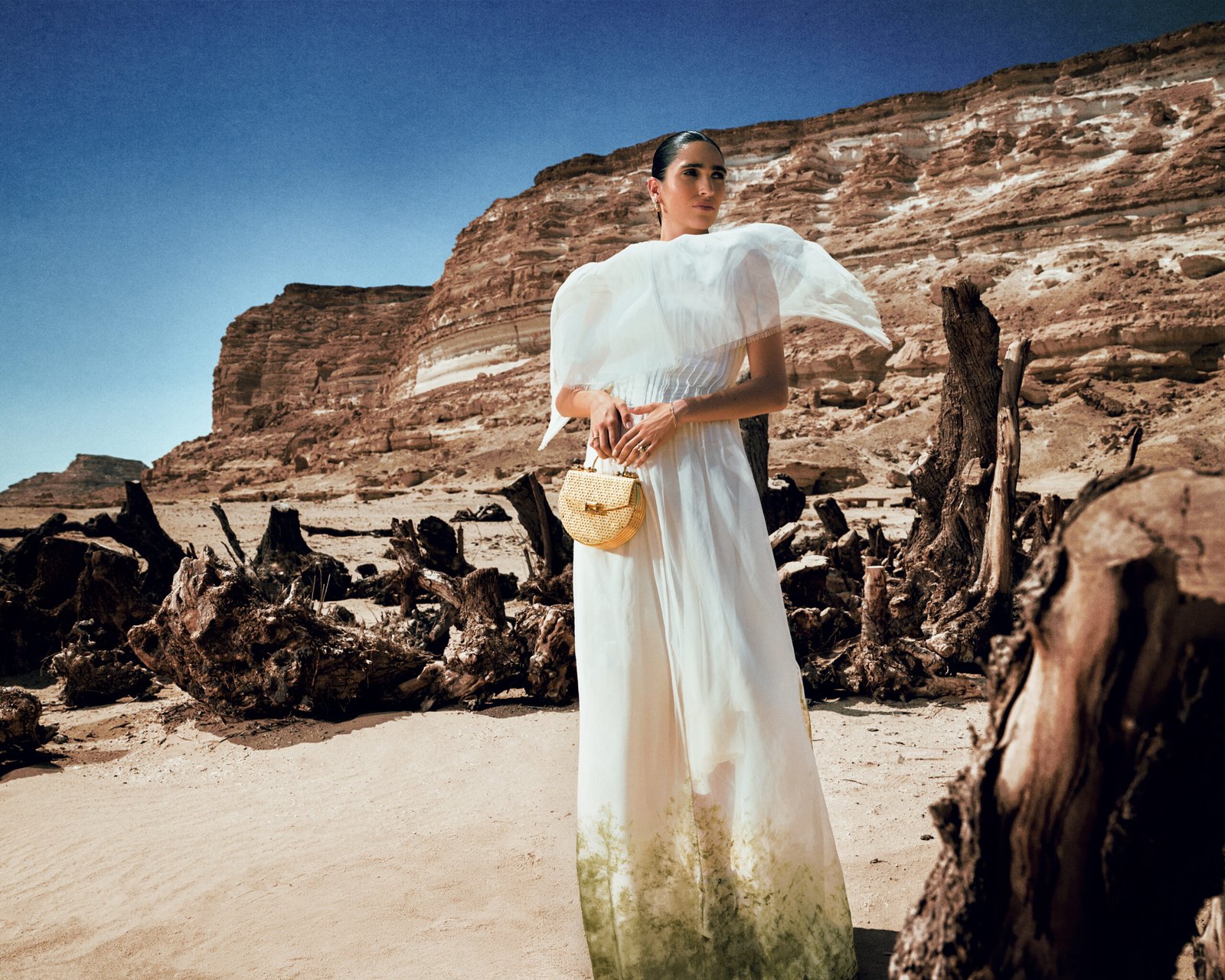
Eyes Arabia: Seeing Okhtein featured at the Grand Egyptian Museum is a powerful moment. What did it represent for you personally? And what does it say about the place of contemporary fashion within Egypt’s cultural legacy today?
Both: Seeing Okhtein at the Grand Egyptian Museum felt like a moment of arrival. Not in the sense of achievement, but in the sense of belonging. For us, it was deeply emotional to see our work exist in a space that represents permanence, memory, and continuity. It felt as though everything we had been building quietly over the years finally found its natural context. Personally, it affirmed something we always believed. That Okhtein was never meant to sit outside culture or trend alongside it. It was always meant to exist within a larger narrative of identity, craftsmanship, and time. Being present in the museum was not about visibility, but about alignment. About seeing contemporary creation stand confidently next to history, not in contrast to it.
On a broader level, it says something very important about Egypt today. It says that cultural legacy is not frozen in the past. It is alive. It continues through new forms, new expressions, and new voices. Contemporary fashion has a place within that legacy when it is built with intention, respect, and depth. For us, Okhtein at the Grand Egyptian Museum was a statement that creation in Egypt did not stop centuries ago. It continues now, through design that carries memory forward while speaking in a modern language. That moment felt less like recognition and more like a confirmation of where Okhtein belongs.