
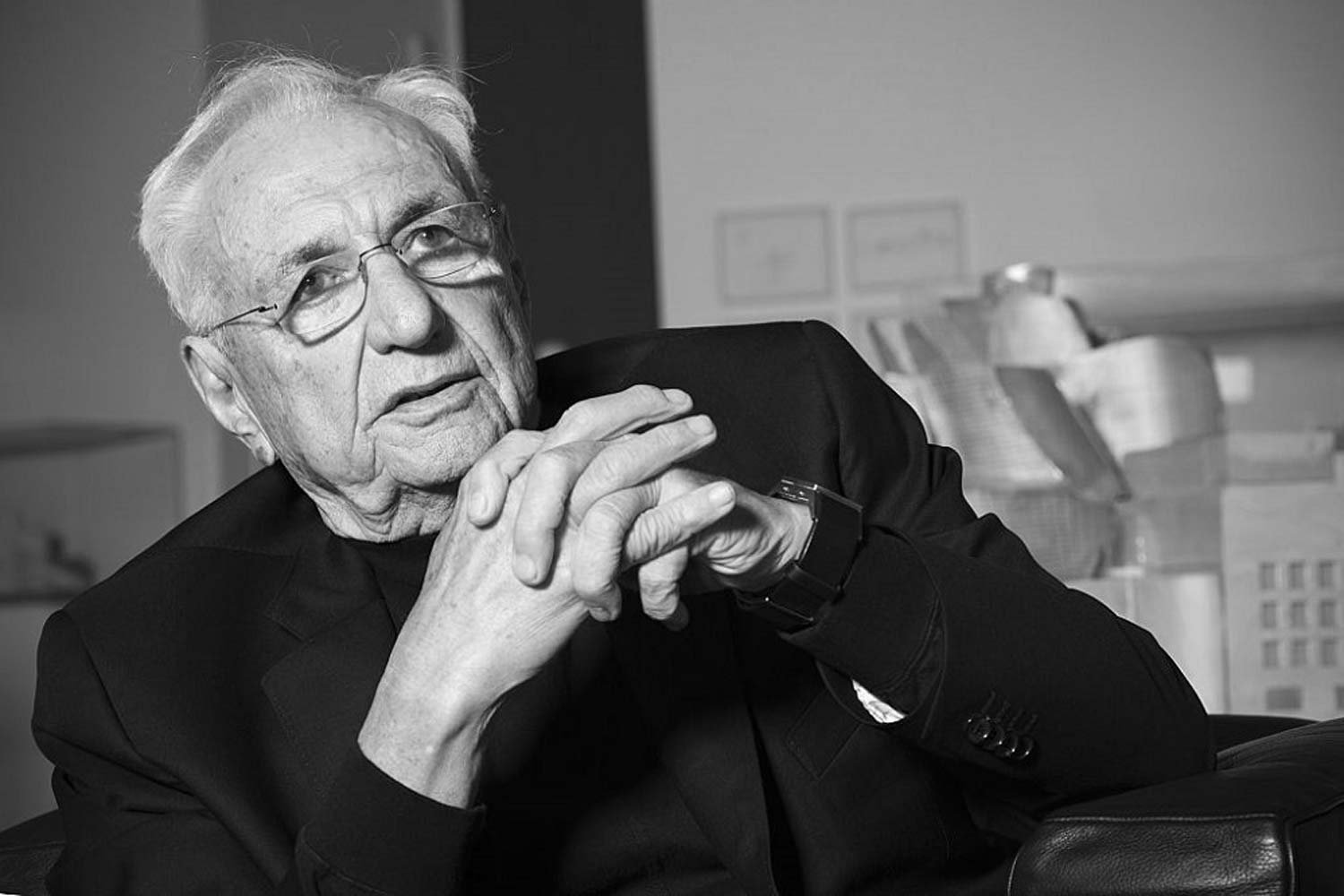
In the initiatory silence that surrounds the end of great eras, the worlds of architecture and engineering mourn Frank Gehry. The architect who liberated titanium and glass from the tyranny of right angles was never merely a builder, but a Master of Art—one who treated urban space as a pedestal for singular creations.
Each of his works stands as an exclusive collector’s piece, where the genius of form meets the discipline of noble materials. To honour the man who gave deconstructivism its pedigree, Eyes Magazine revisits the works that, through technical innovation and intrinsic luxury, have secured their place in the history of exceptional craftsmanship.
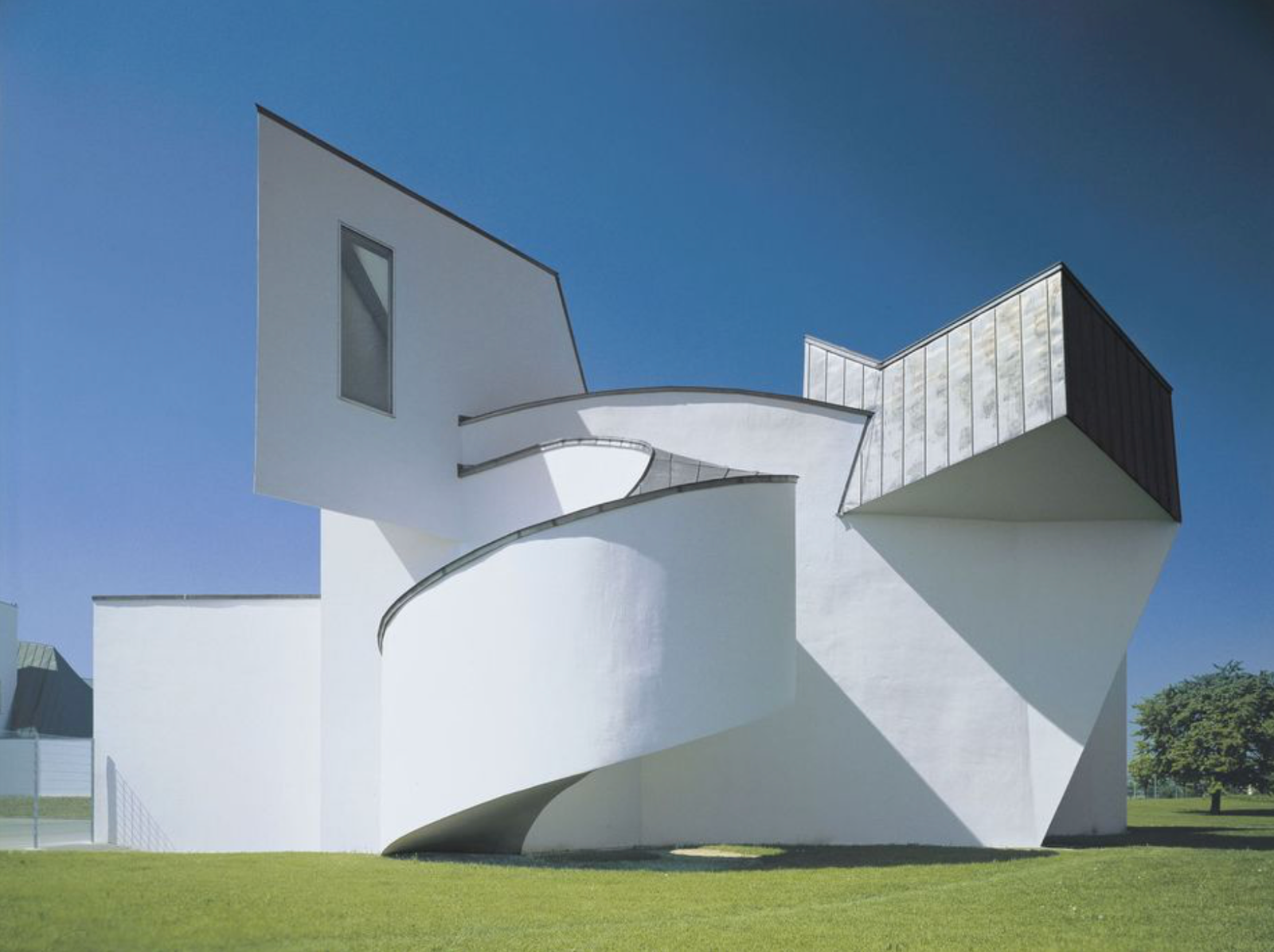
The Vitra Design Museum
In Germany stands Frank Gehry’s first major European project. This building marked a turning point in his career, where he began to establish the foundations of his deconstructivist language on the scale of a public museum. The volumes seem to fold and unfold like a sculpture, and each metal or glass façade plays with natural light. The Vitra Design Museum reveals the architect’s enduring fascination with materiality, texture, and the freedom of form.
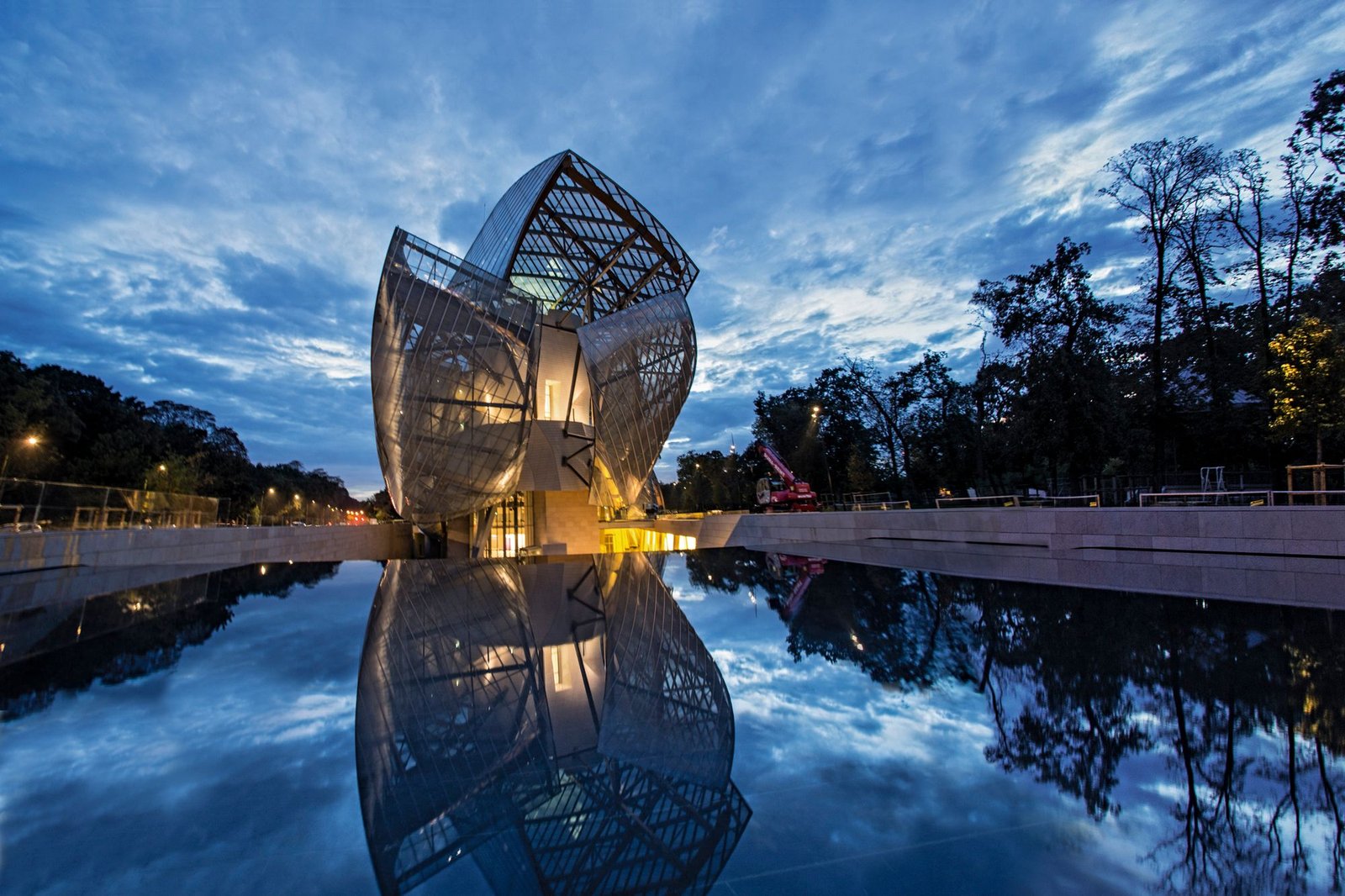
The Fondation Louis Vuitton
In Paris, Gehry gifted the world a manifesto of lightness and freedom with the Fondation Louis Vuitton. Set within the Bois de Boulogne, he envisioned an edifice that appears to float between sky and earth, pursuing his quest for weightlessness and fluid form. Twelve unique glass sails, supported by laminated-wood and steel structures, capture and refract the light, each calculated with precision to balance aesthetics, stability, and transparency.
The Fondation is more than a building; it embodies the architect’s urban poetry, transforming material into emotion and space into suspended sculpture. Lightness, mastered through exacting engineering, becomes a tangible luxury. The architecture, rather than dominating, elevates the Parisian landscape while affirming the continuity of Gehry’s unmistakable language.
The Guggenheim Museum Bilbao
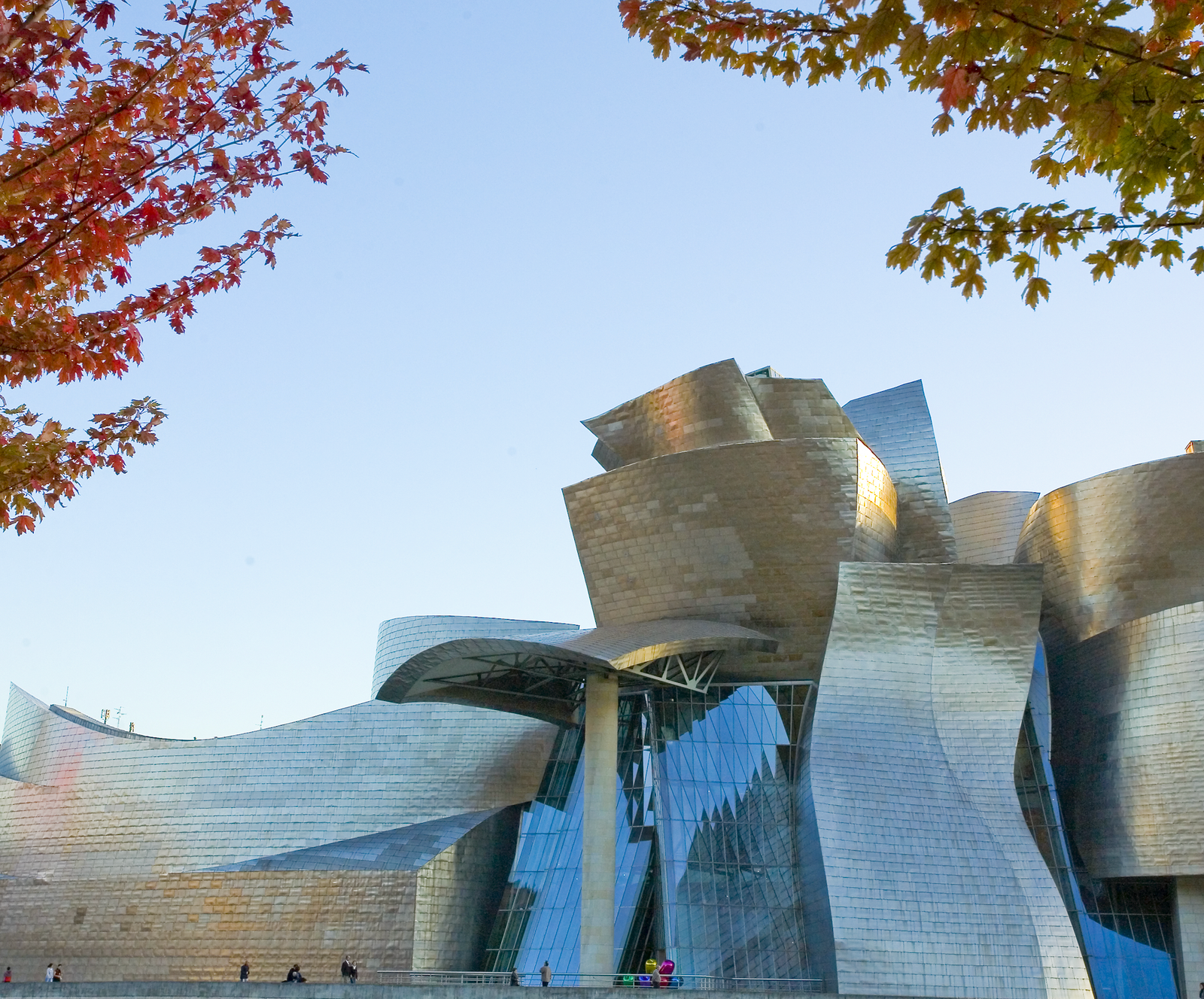
Years earlier, Gehry had already crossed a decisive threshold with the Guggenheim Bilbao. Where the Fondation explores lightness, the museum embodies the power of form and volume. Behind the spectacular curves and wind-shaped organic masses lies staggering complexity. Every contour, every fold, every titanium surface was meticulously engineered to withstand structural demands while appearing effortlessly fluid.
To translate his sculptural visions into reality, Gehry relied on CATIA, a software originally developed for aeronautics. Every freehand curve was converted into millimetre-precise construction plans, specifying dimensions, angles, and the exact placement of each titanium panel. The museum is the sum of conceptual audacity and technical discipline, and it is this tension between creative freedom and rigorous control that makes it truly exceptional.
The Guggenheim Museum Abu Dhabi
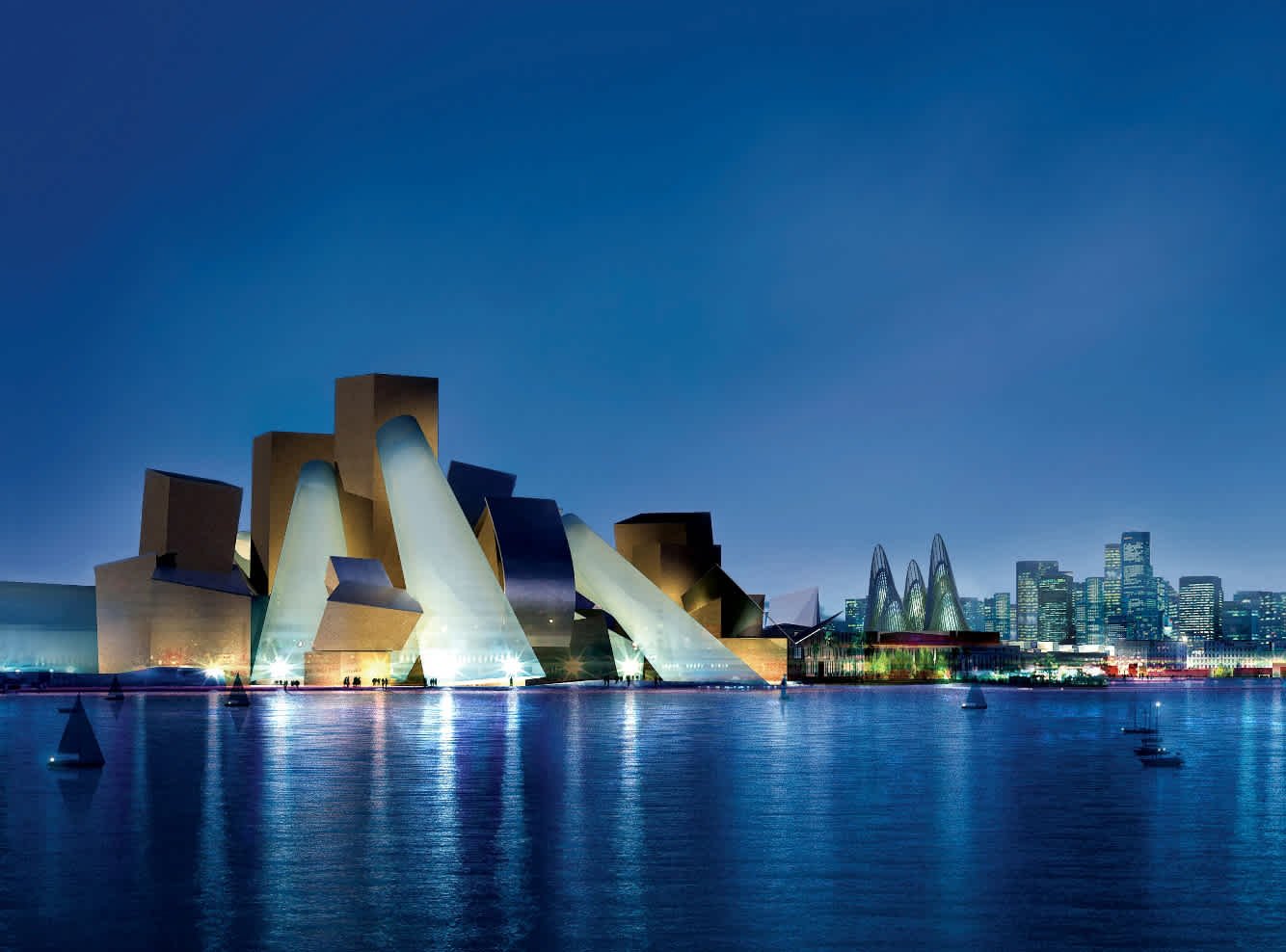
In the final years of his life, Gehry devoted himself to a project of extraordinary scale: the Guggenheim Abu Dhabi. Once again, his obsession with light and glass guided every decision, shaping bold volumes designed to engage with the Gulf’s sun and landscape. Conceived as a constellation of asymmetrical cones, the building was meant to be the ultimate culmination of his career, merging deconstructivism with nods to regional architectural heritage. Though Frank Gehry will not witness the completion of this final masterpiece, the Guggenheim Abu Dhabi—even unfinished—stands as a testament to his uncompromising vision and his lifelong pursuit of pushing architecture ever further.
The Gehry Residence
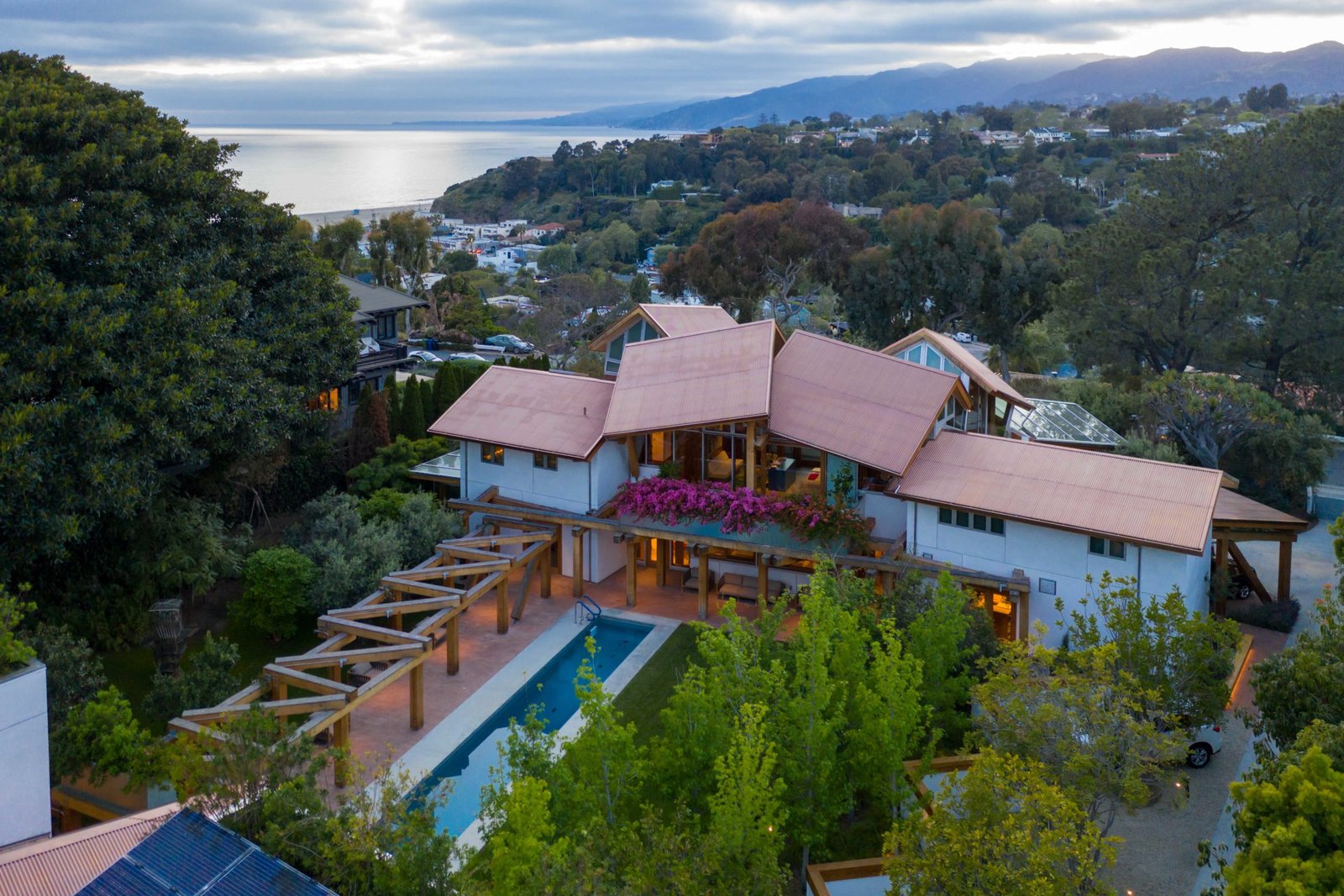
Yet it was in the intimacy of his Santa Monica home that everything truly began. On a modest suburban house, Gehry sketched the gestures that would define his signature, wrapping the ordinary in raw materials, transforming space into a conceptual manifesto. This inaugural act reveals the essence of his philosophy: for Gehry, value does not arise from the material itself but from the freedom to reinvent it. It is here that the universe that would become his global signature first took shape.
Frank Gehry leaves behind a legacy that far surpasses the notion of construction. From the experimental Santa Monica residence to the undulating curves of the Guggenheim Bilbao, to the poetic lightness of the Fondation Louis Vuitton, each project is an inhabited sculpture, a lesson in virtuosity and daring. His work reminds us that architecture is not merely about materials or volumes, but about vision, freedom, and emotion. Gehry transformed the ordinary into the extraordinary, metal and glass into poetic language, and the city into a stage for his creations.