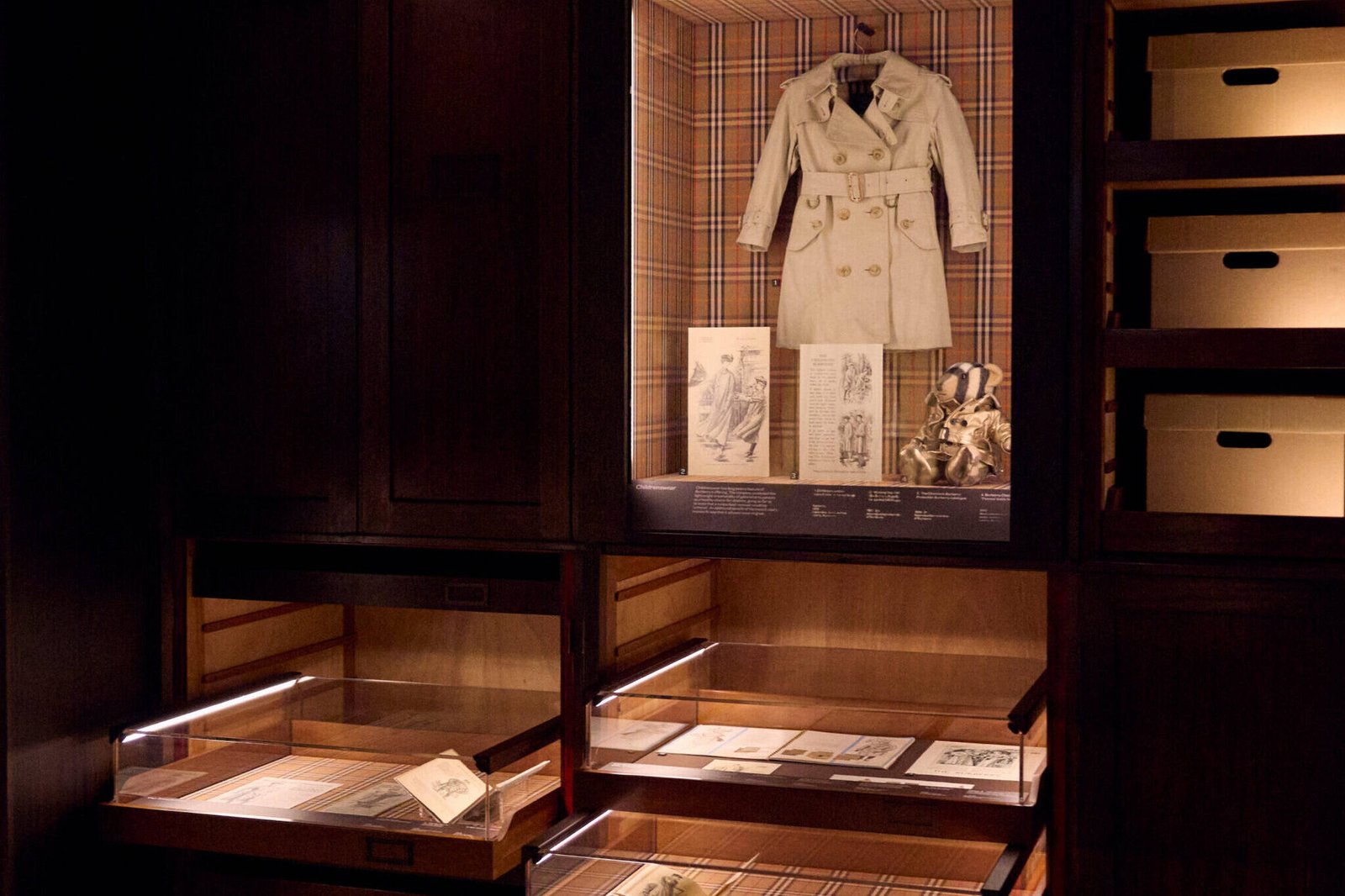

Long before in-house manufacture became the industry’s gold standard, watchmaking was a collective act. In the Vallée de Joux, where winters were long and unforgiving, farmers became artisans by necessity. Wheels, bridges and screws were components crafted in isolation, to be assembled by an établisseur into a finished watch. The process, back then, was decentralised, deeply specialised, and inherently collaborative. Before it was known as the coveted powerhouse it is today, Audemars Piguet was born from this system. Marking its return to the Watches and Wonders circuit this year, the brand unveiled the Atelier des Établisseurs, a new project that reunites independent craftspeople, designers, engineers, and watchmakers under a single, fluid ecosystem within the Musée Atelier in Le Brassus.
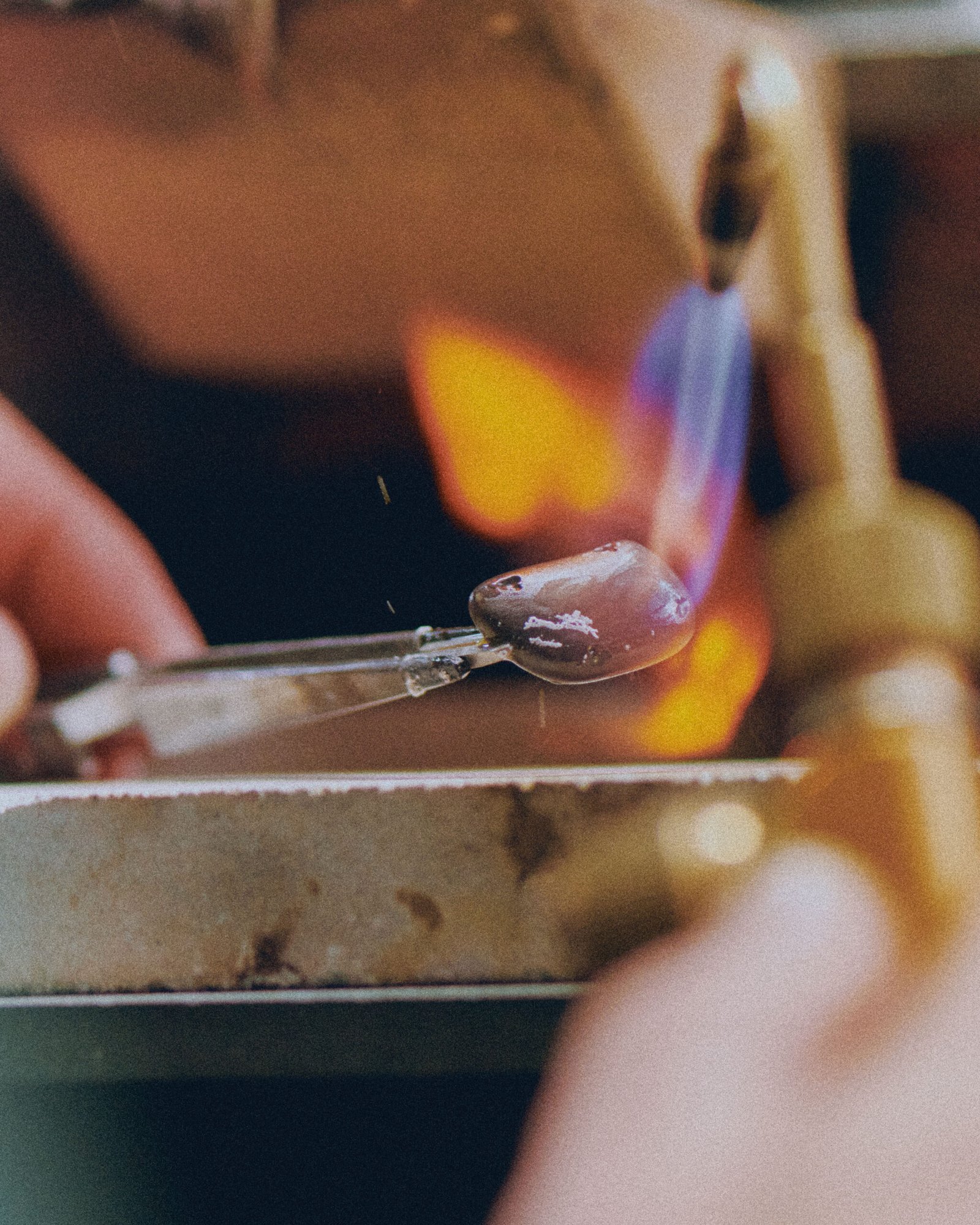
As CEO Ilaria Resta notes, the initiative is about “bringing new life to our watchmaking heritage”, and preserving skills that don’t scale. Techniques are passed hand-to-hand, not downloaded or automated, and the language of the Atelier is honoured as one of craft, as opposed to the overused, marketing sense it exists in on the global stage. Disciplines spanning engraving, enamelling, skeletonisation and lapidary work are treated with authorship, and the watch becomes a site of convergence, where multiple hands leave visible traces of their expertise, and no two pieces are identical. As such, the Atelier model resists the clean perfection of industrial luxury in favour of a more nuanced and controlled imperfection, embellished with slight variances and human signatures. The debut collection from Atelier des Établisseurs introduces three timepieces, which were also unveiled at this year’s Watches and Wonders exhibition. Each piece is produced in extremely limited quantities. These watches cannot be scaled without losing the very essence that defines them.
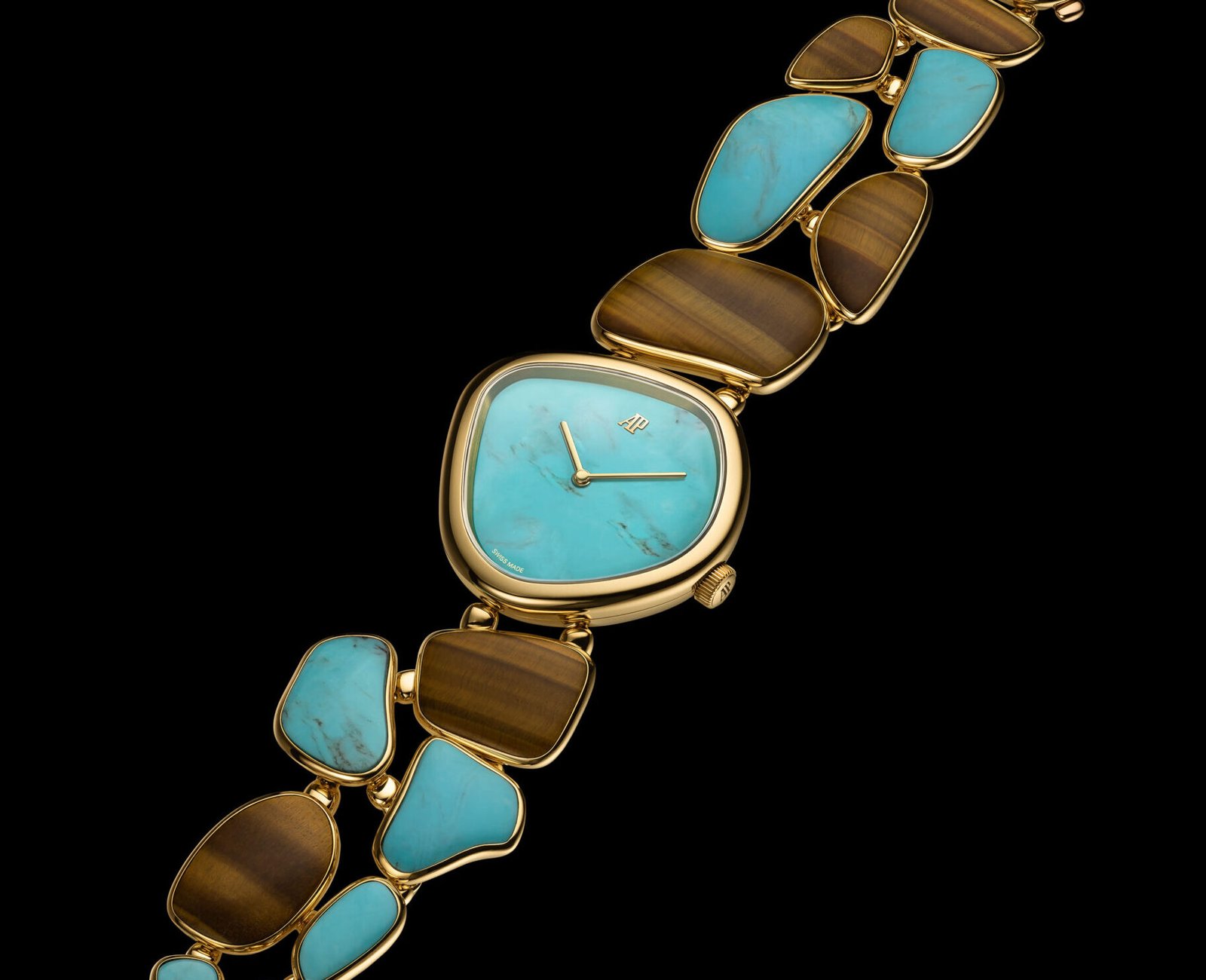
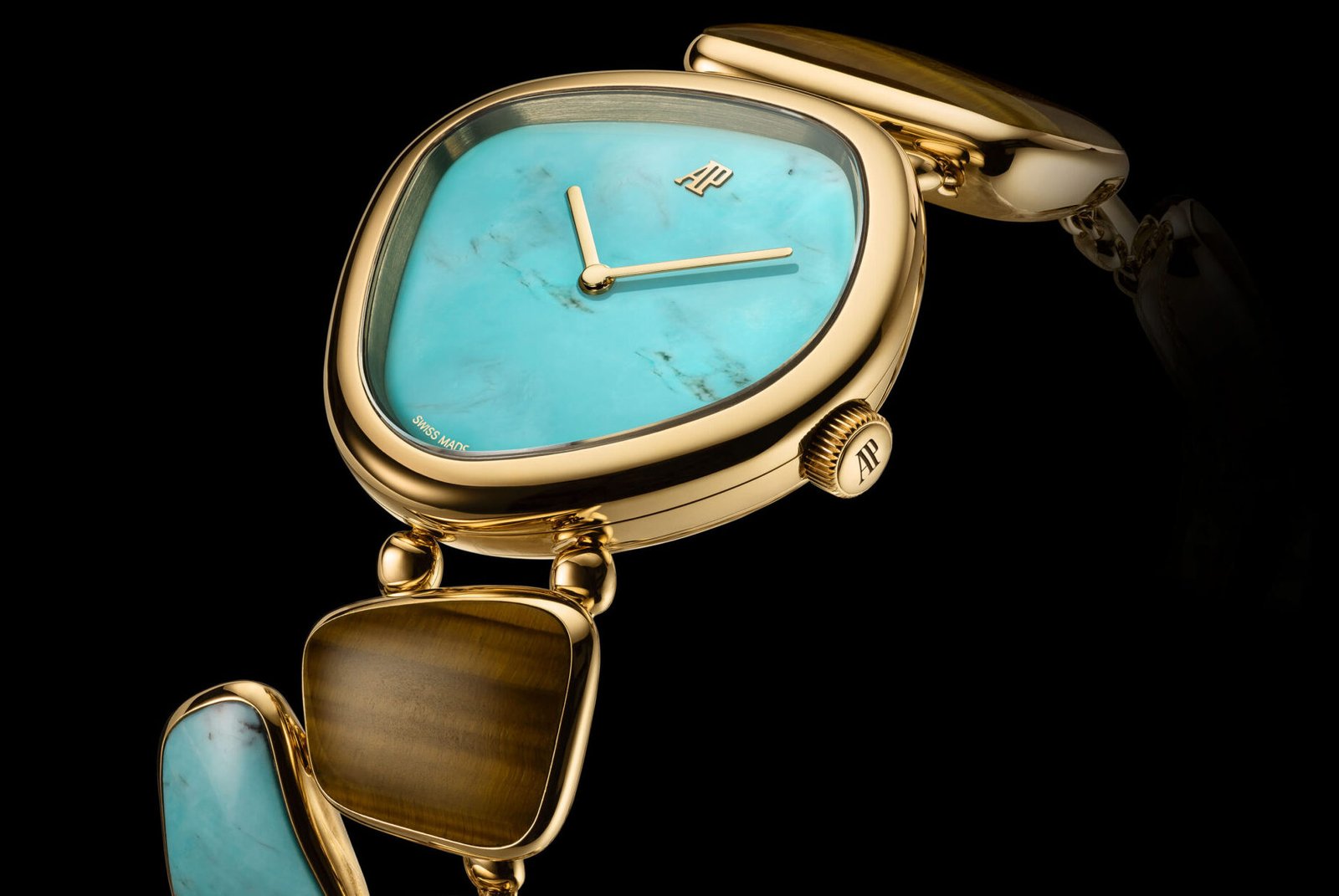
Établisseurs Galets draws its essence from the landscape of Lac de Joux, where water smooths stone into something sensorial. Here, the boundary between jewellery and horology dissolves entirely. A bracelet of pebble-like forms, linked by gold spheres, drapes with an effortless, almost liquid fluidity across the wrist. The dial, deliberately stripped of markers, relinquishes the language of time to elevate material instead, allowing the natural stone to command attention.
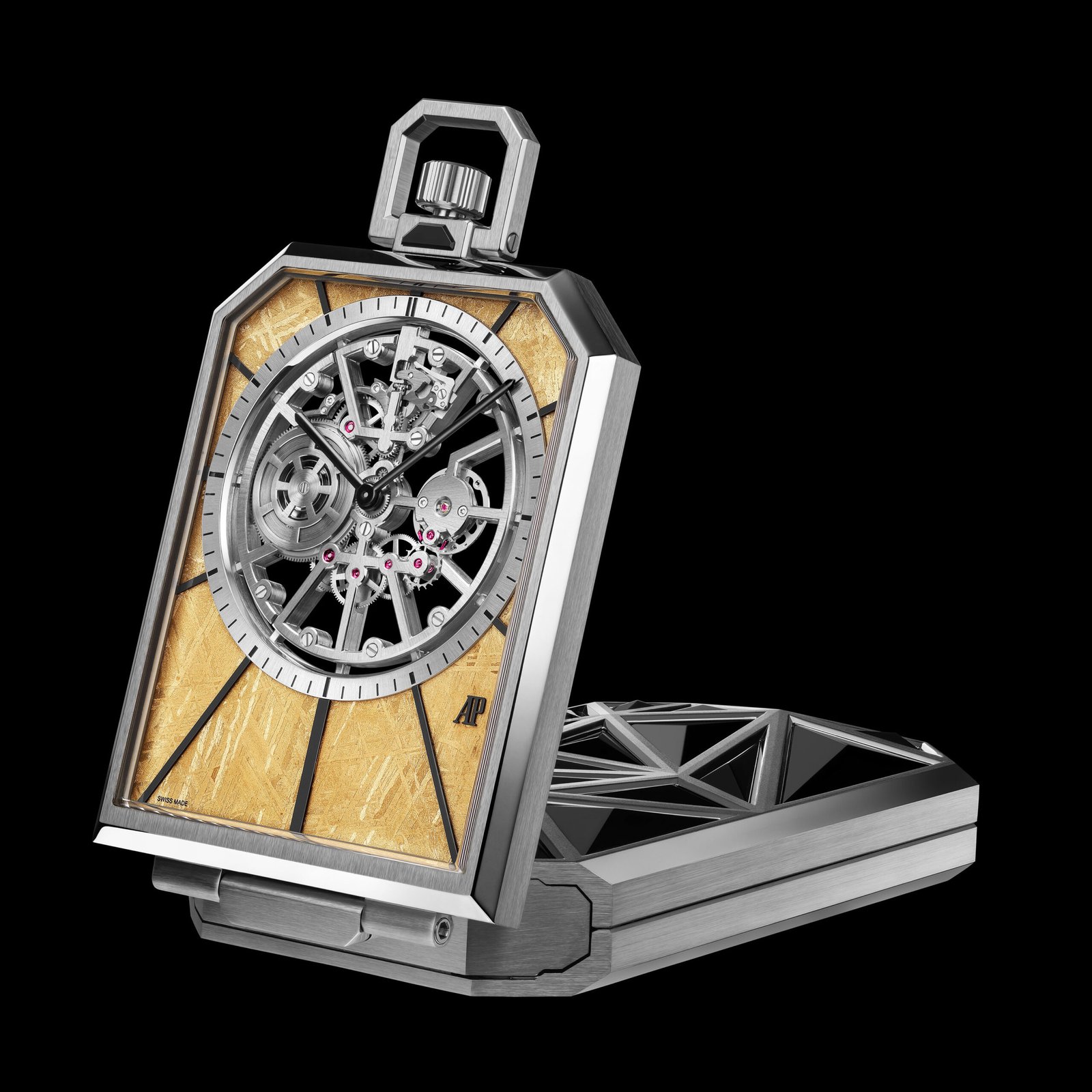
Établisseurs Nomade adopts a more architectural posture, refusing a singular identity to transition seamlessly between pocket watch, pendant, and desk object, echoing a more itinerant notion of time. At its core, a hand-skeletonised calibre, meticulously carved using a traditional hacksaw, unfolds as both mechanical achievement and visual composition.
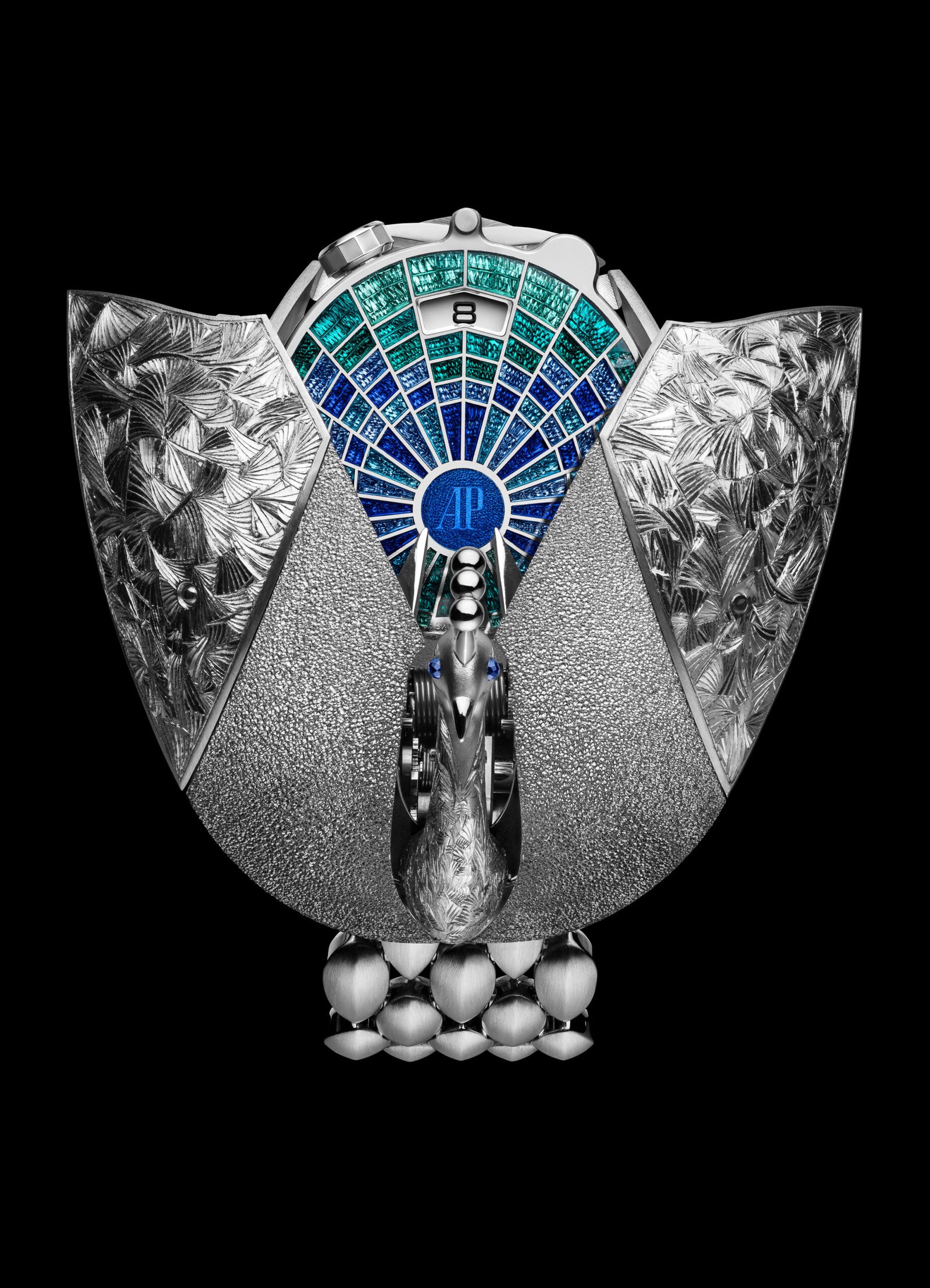
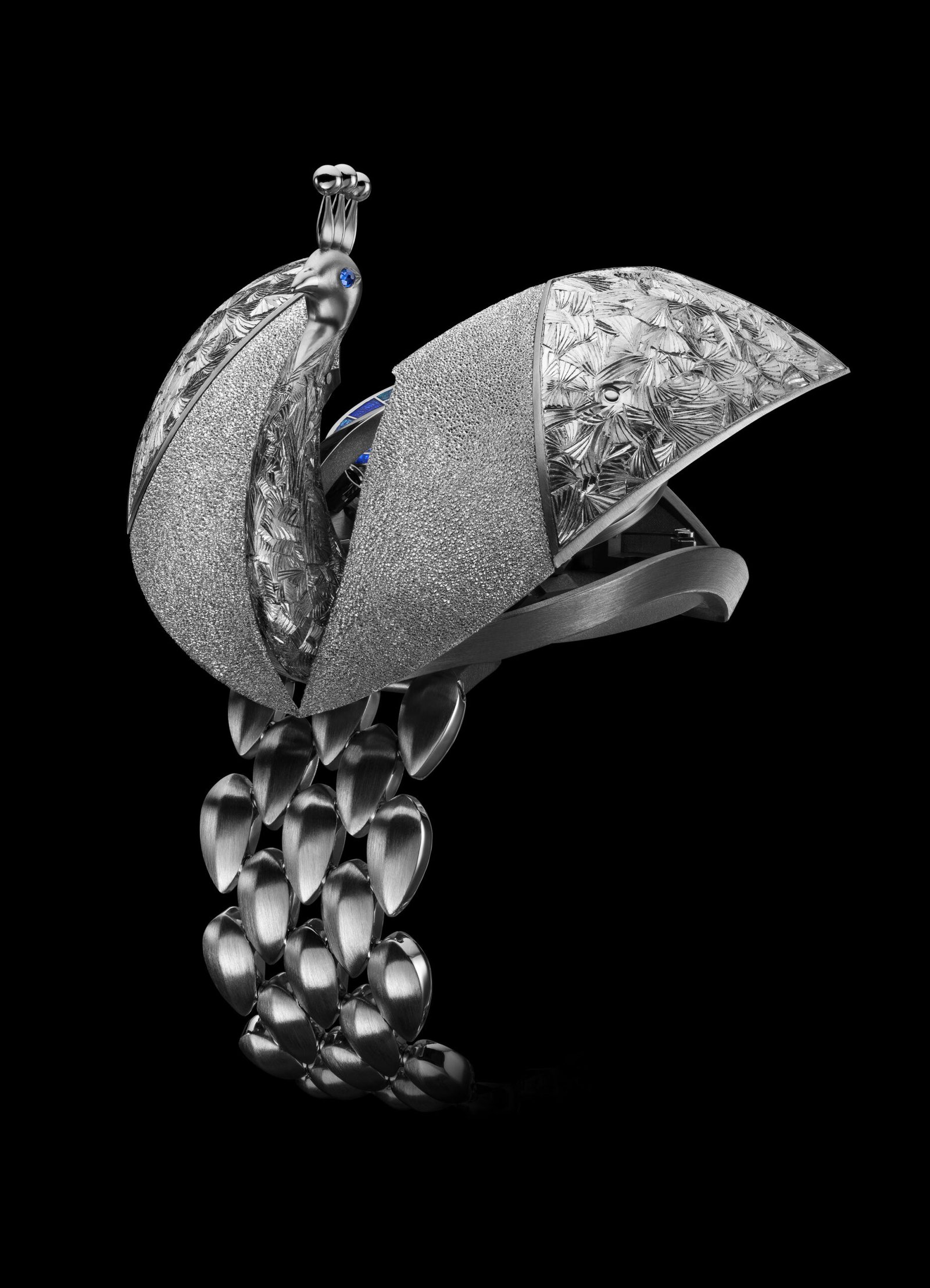
Then, Établisseurs Peacock, the most expressive, perhaps, and certainly the most theatrical, is a sculptural jewel. With a subtle activation, it transforms as wings unfurl, the form awakens, and a miniature peacock emerges, its enamelled tail fanning out in a display of extraordinary craftsmanship, punctuated by gemstone-set eyes. Beneath this spectacle lies a deeper lineage, that of the secret watch, where time was once a private affair, concealed within beauty and disclosed only with intention.