
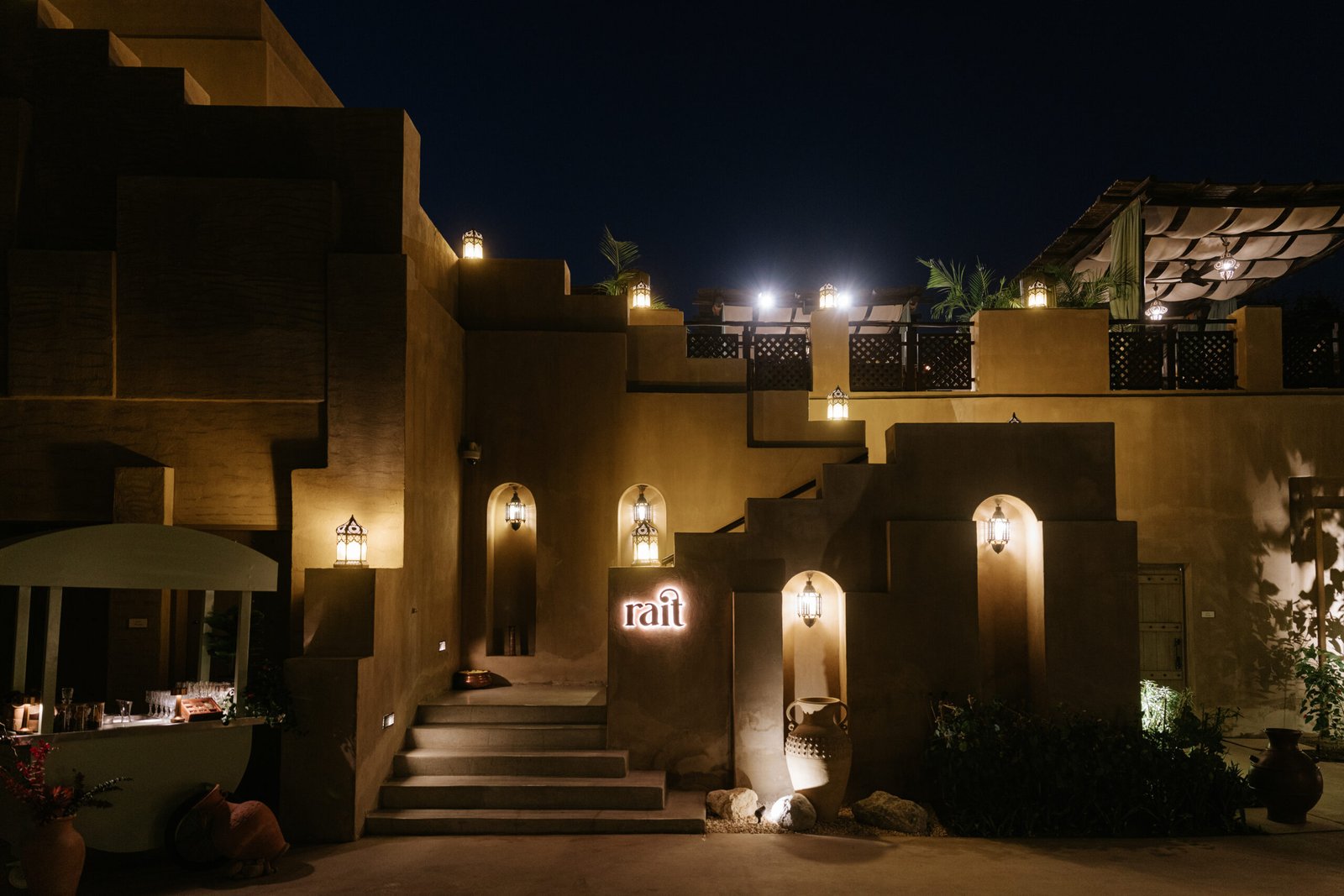
RAIT, meaning ‘sand’ in Hindi, is both a literal and poetic response to its surroundings. Now, too, a brand-new dining concept at Dubai’s coveted Bab Al Shams Desert Resort, RAIT draws inspiration from arid landscapes while unfolding as a deeply personal expression of Chef Sneha Singhi Upadhaya’s culinary identity. “RAIT is my interpretation of a homecoming,” she says. “Each dish draws from the flavours and memories that shaped my childhood, and it is a joy to share them with guests from all over the world within such an inspiring desert landmark.” The result is not a reinvention of Indian cuisine, but a considered translation of it.
Singhi’s approach has seemingly always been guided by duality. Her classical training at Le Cordon Bleu Paris gave her discipline, technique and confidence, but the foundation of her cooking was laid much earlier, in family kitchens where recipes were rarely written down. “My grandmother would not follow measurements or formulas,” she recalls. “Everything was added by eye, and it tasted the same every time. Watching her cook solidified my belief in following feeling rather than rules.” That philosophy now defines her work, fusing European finesse for structure, and Indian instinct to give the food its soul.
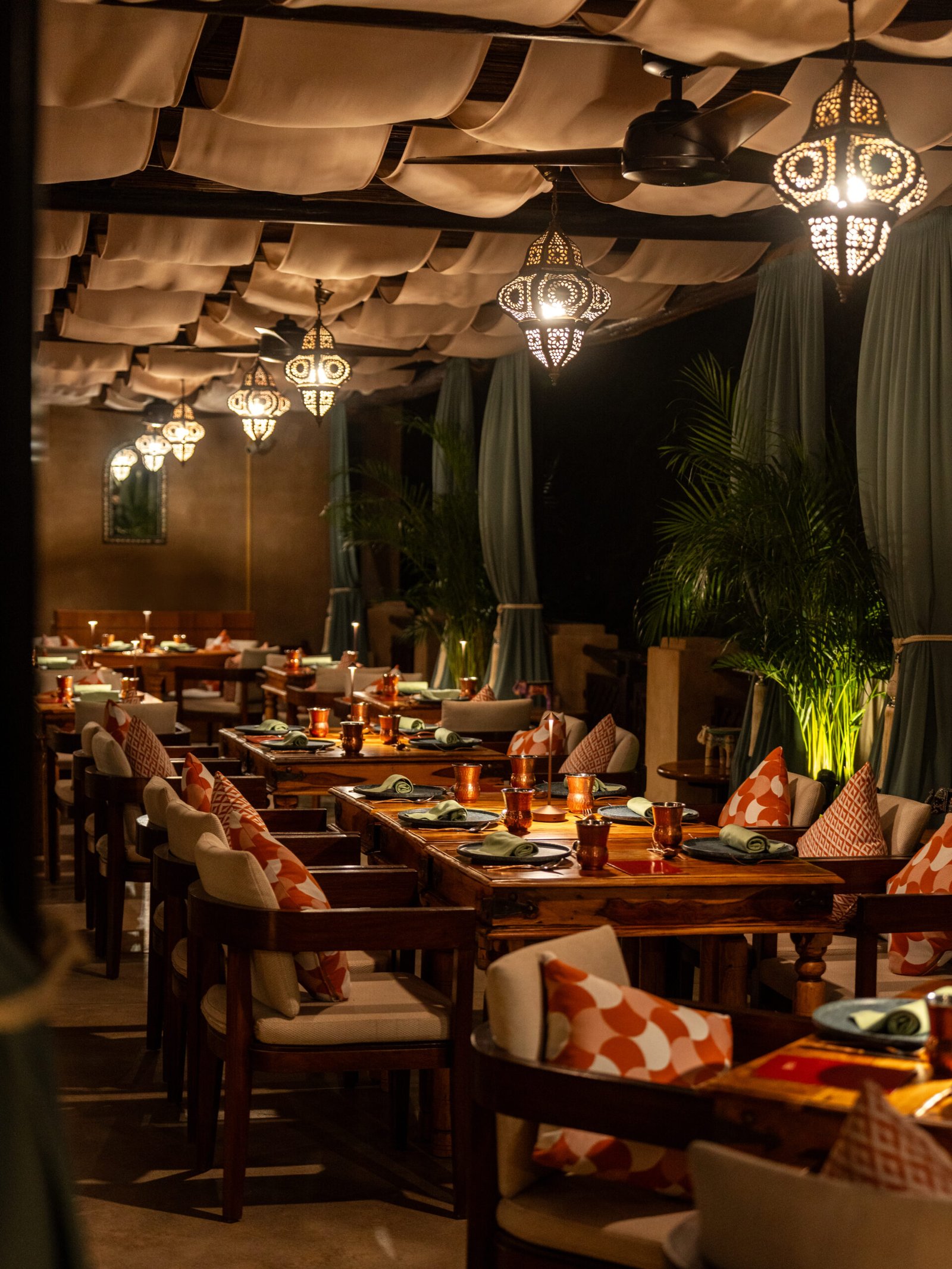
At RAIT, Indian comfort food, traditionally generous, slow-cooked and designed to be shared, takes on a new resonance in the desert. Singhi champions simplicity not as restraint, but as attentiveness. “If you can slow down, savour your food, know where the ingredients come from or how they’re grown, that itself is a luxury,” she explains. “In today’s fast-paced world, simplicity has become the new luxury.” Removed from the rhythm of the city, Bab Al Shams offers the ideal setting for this philosophy to unfold.
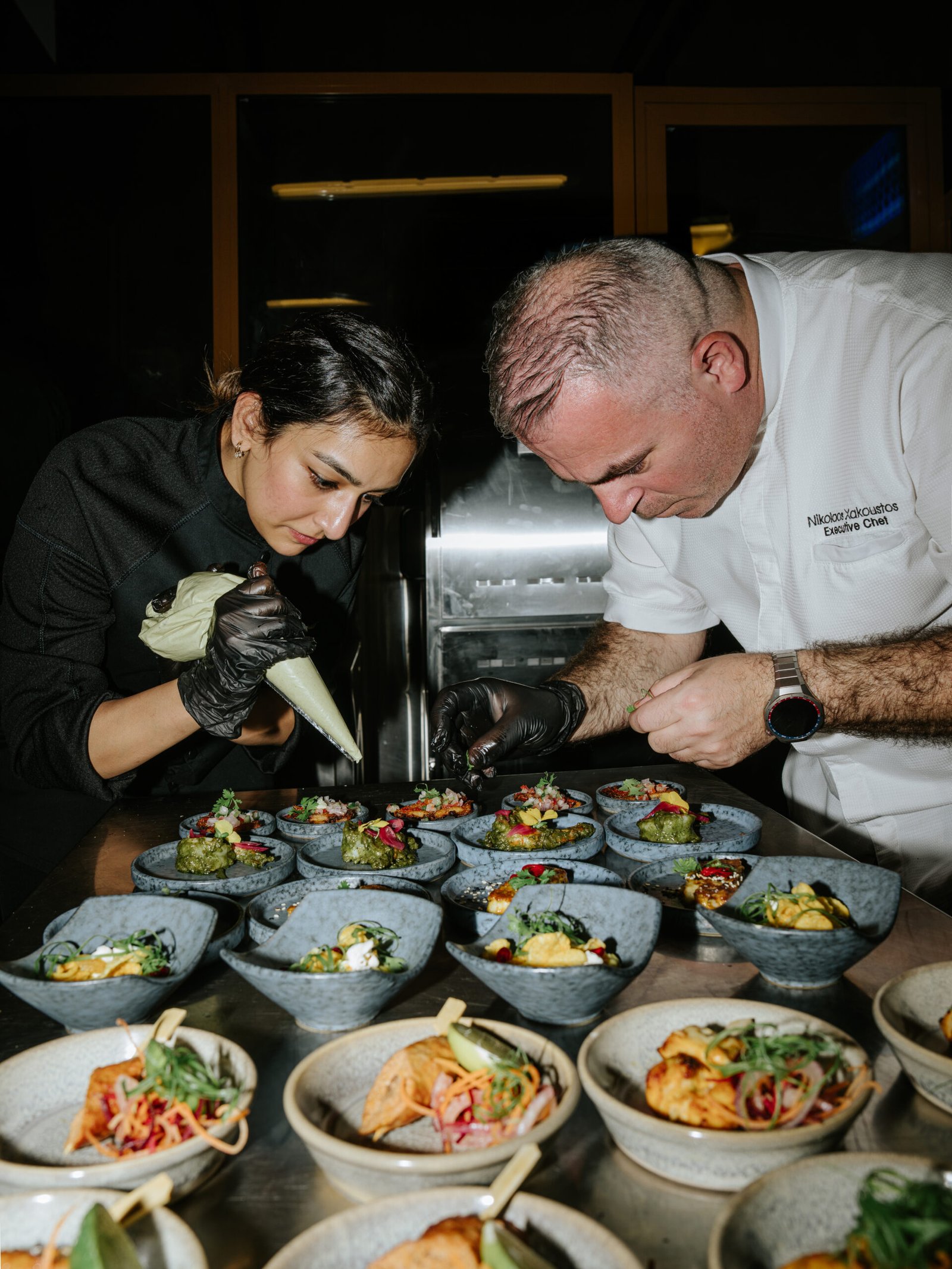
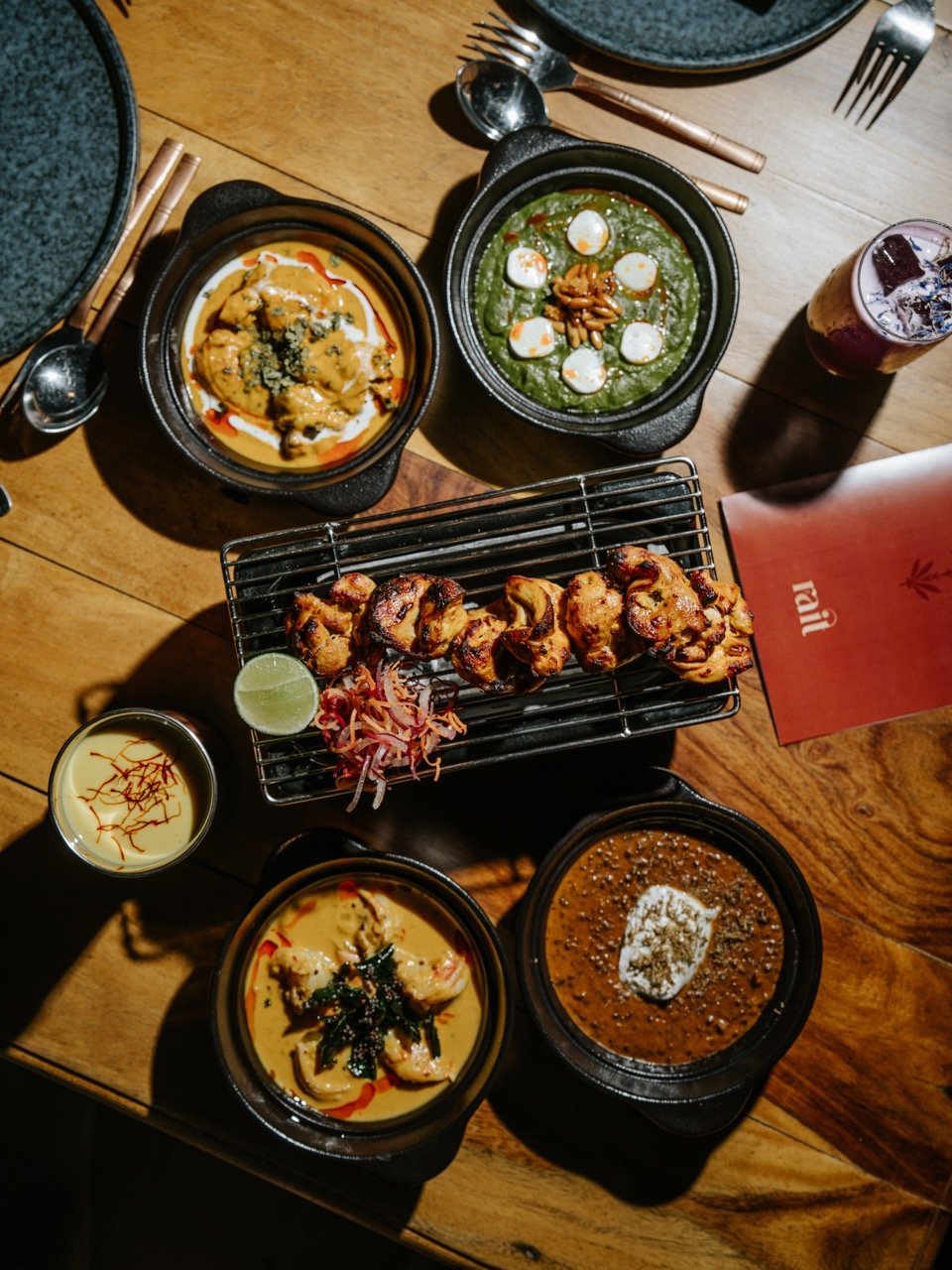
The menu reads like a shared family table, beginning with reimagined favourites that recall India’s markets and home kitchens, Mini Pav Bhaji, Bhutte Ka Khees, Sweet Potato Keema Fries,each grounded in nostalgia but finished with polish. From the open charcoal grill, dishes such as Angaara Murgh Tikka, Lucknawi Gosht Seekh and Goan Cafreal Jhinga arrive imbued with smoke and warmth, reflecting both Indian tradition and the elemental nature of the desert itself. “Cooking on open fire makes you trust your instincts more,” Singhi says. “You rely on judgement, on smell, texture and sight, rather than timers. It allows you to play with flavour and character in a way modern kitchens don’t.”
As the evening deepens, RAIT reveals its emotional core through slow-cooked curries and biryanis that speak directly to home and heritage. “My whole idea while curating this menu was for guests to experience the kind of food I grew up eating every weekend with friends and family,” Singhi says. “I want them to feel the joy of community and the love of family while dining at RAIT.” And crucially, Singhi is clear on her definition of modern Indian cuisine. “You don’t make a cuisine modern,” she says. “You present it in a modern way, through plating, ingredients or context. The base remains traditional.” A finishing touch of burrata on dal or a refined garnish on a classic dish is not about reinvention, but about dialogue. In a global dining landscape increasingly driven by performance, RAIT offers something quieter and more enduring. It is a reminder that luxury can be found in familiarity, that fire and memory can be as powerful as technique, and that the most meaningful meals are often those that feel like home.