
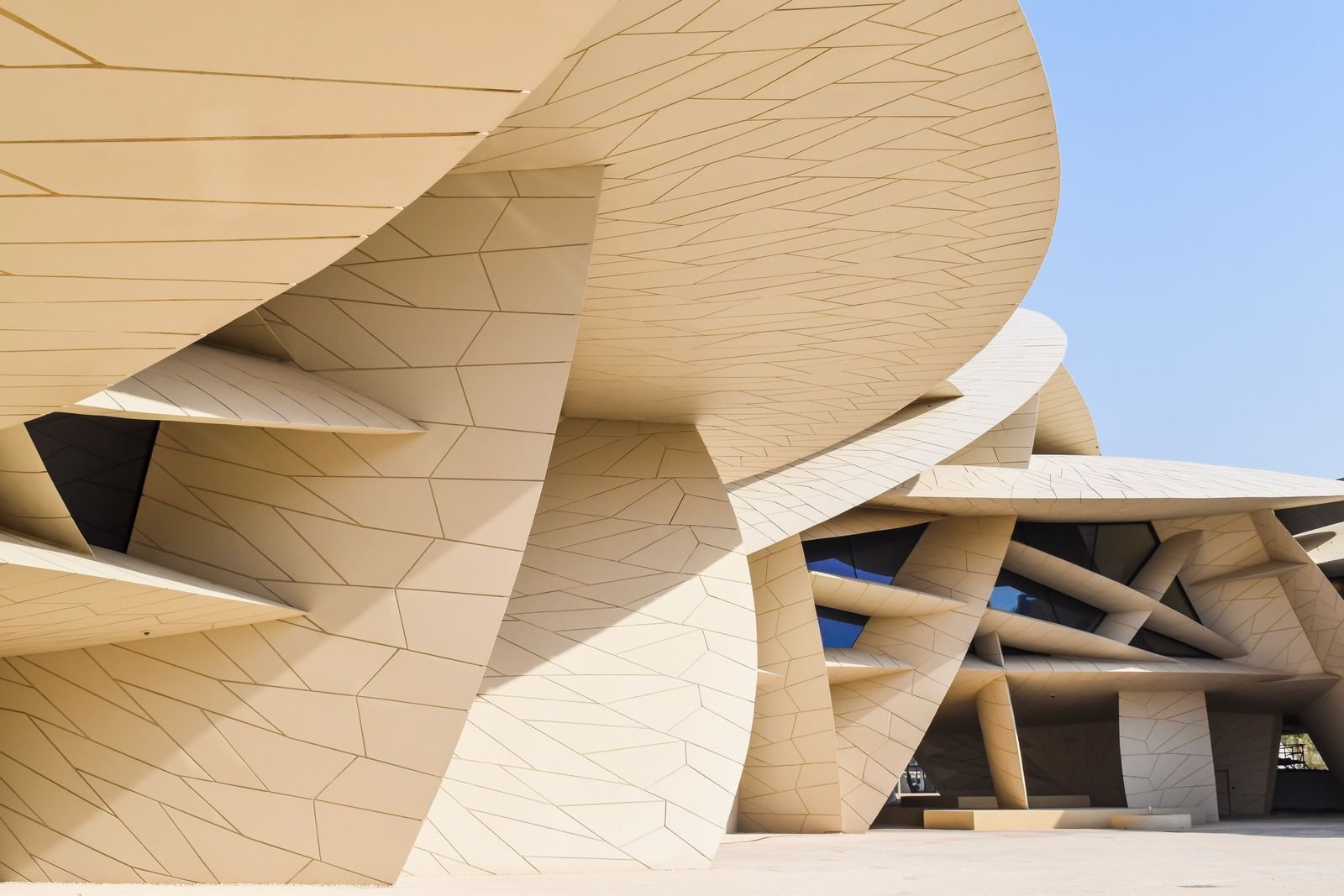
Doha is no longer circling the global art conversation. In February 2026, it steps decisively into its centre. With the launch of Art Basel Qatar, the Qatari capital becomes the fifth permanent pillar of the Art Basel constellation, joining Basel, Miami, Paris, and Hong Kong. It is the first new Art Basel fair in more than a decade, and the brand’s first anchor in the Middle East, a move that signals not expansion for expansion’s sake, but a recalibration of where cultural gravity now sits. Unveiled during the 55th edition of Art Basel, the announcement cut through a season defined by blue-chip excess and record sales. Its timing felt deliberate, but its logic long in the making.
Art Basel’s arrival in Qatar is not a speculative bet. Rather, it is the outcome of sustained, state-backed cultural ambition. For over twenty years, Qatar has invested in building a cultural ecosystem rather than a single headline institution. Museums, public art, and civic architecture have been integrated into the national fabric, shaped by collaborations with leading global architects and curators. The forthcoming Lusail Museum, designed by Herzog & de Meuron and set to house one of the world’s most significant collections of Orientalist art, stands as the clearest expression of that vision, announced alongside Art Basel Qatar as a parallel statement of intent.
While Art Basel remains the world’s most influential platform for the primary art market, its Qatar edition proposes a broader remit. Doha will act as the focal point, but the ambition is explicitly regional. Art Basel Qatar is positioned as a platform for the MENASA region, extending from North Africa through the Middle East and into South Asia, offering artists, galleries, and curators a global stage that has long felt overdue.
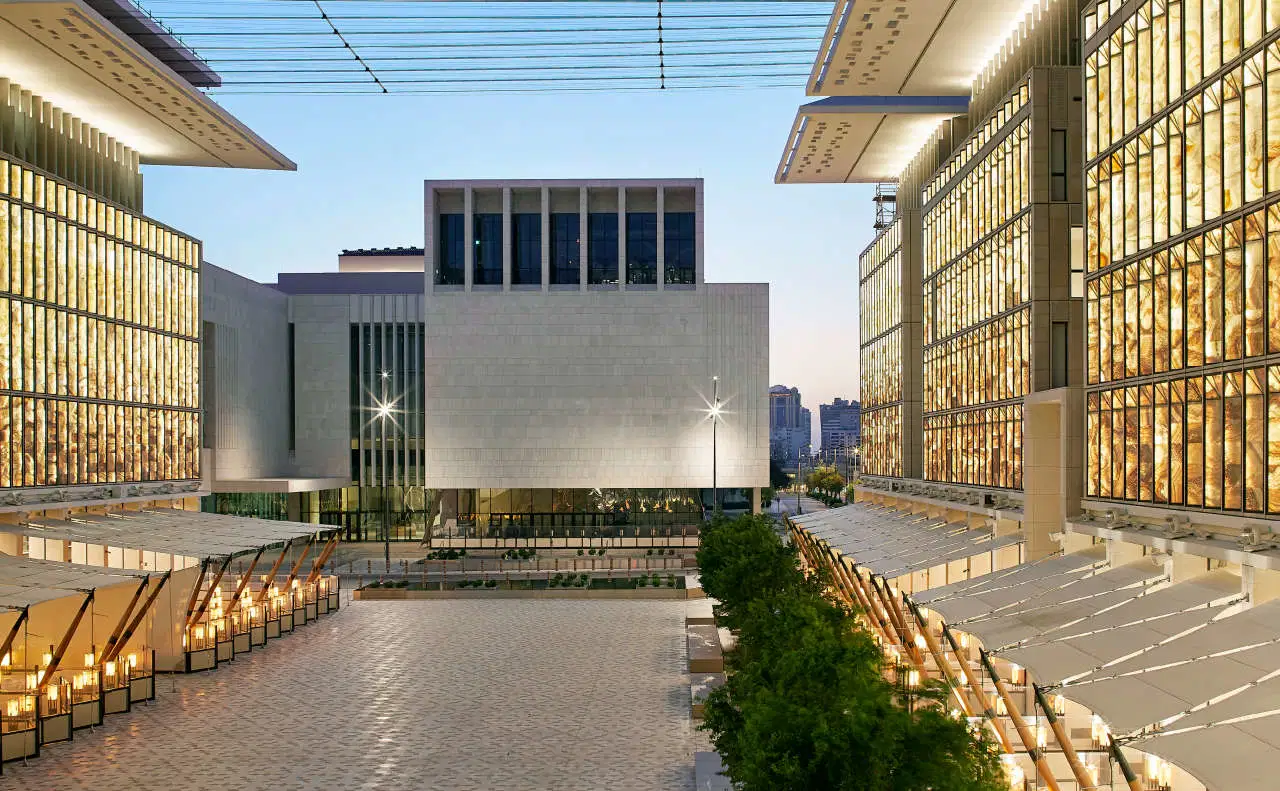
The fair’s format reflects this shift. Rather than replicating the conventional grid of booths, Art Basel Qatar will adopt a curated, thematic model that allows the city itself to function as an extended exhibition space. Cultural venues such as M7, the Doha Design District, and the public squares of Msheireb will form a walkable network of exhibitions, interventions, and encounters, blurring the boundaries between fair and public realm.
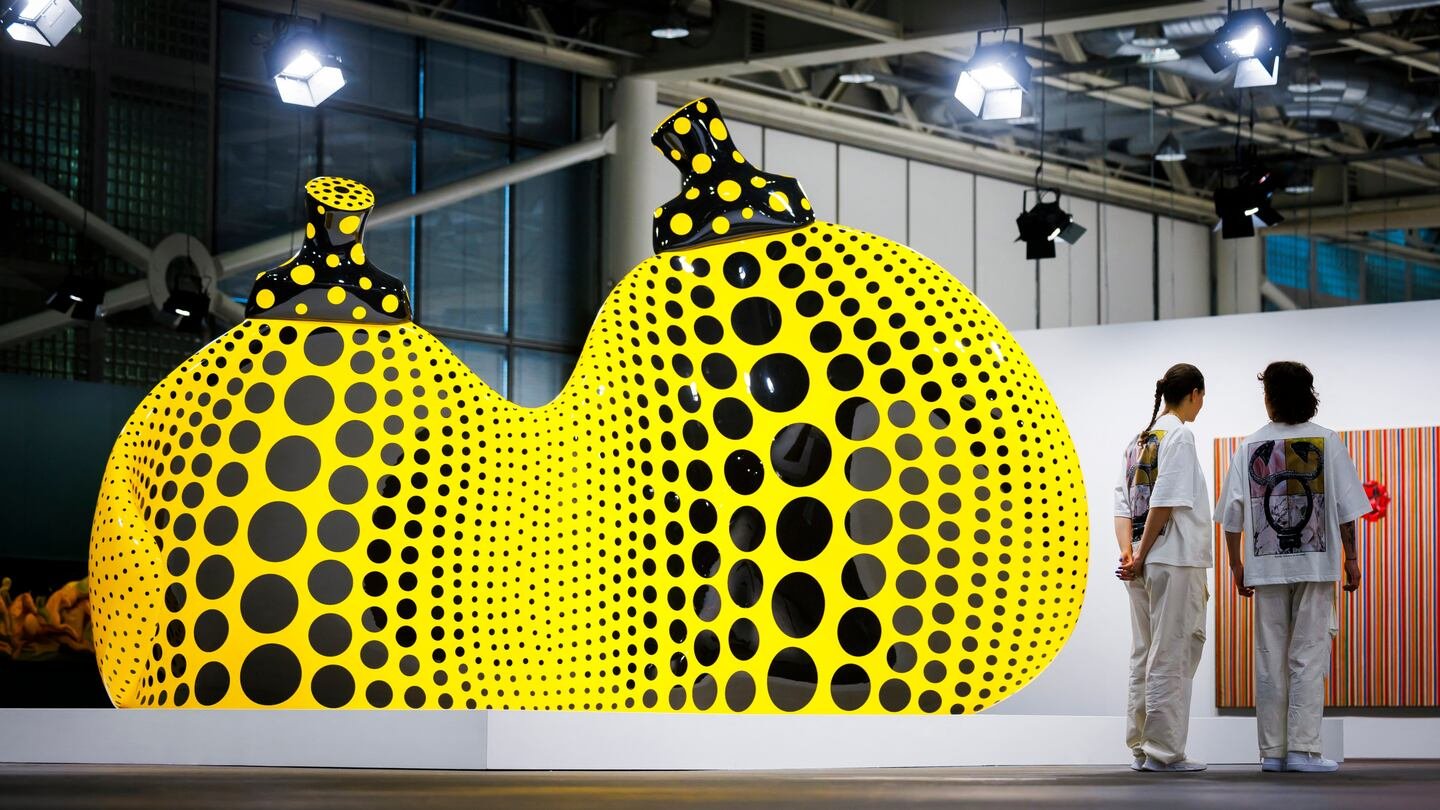
Appointed as inaugural Artistic Director, Egyptian artist Wael Shawky will lead the first edition under the theme Becoming. Framed around transformation, identity, and the forces shaping contemporary life, the concept feels particularly attuned to a region negotiating heritage and hyper-modernity in parallel. Crucially, this is not a fair imposed upon its surroundings. Art Basel Qatar has been developed in close dialogue with local and regional voices, ensuring that it reflects the histories and intellectual rhythms of its context rather than importing a ready-made blueprint. When it opens, Art Basel Qatar will enter a thriving regional calendar alongside Art Dubai, Abu Dhabi Art, and the Diriyah Biennale. Together, these platforms are reshaping the Gulf’s role in the global art ecosystem.