
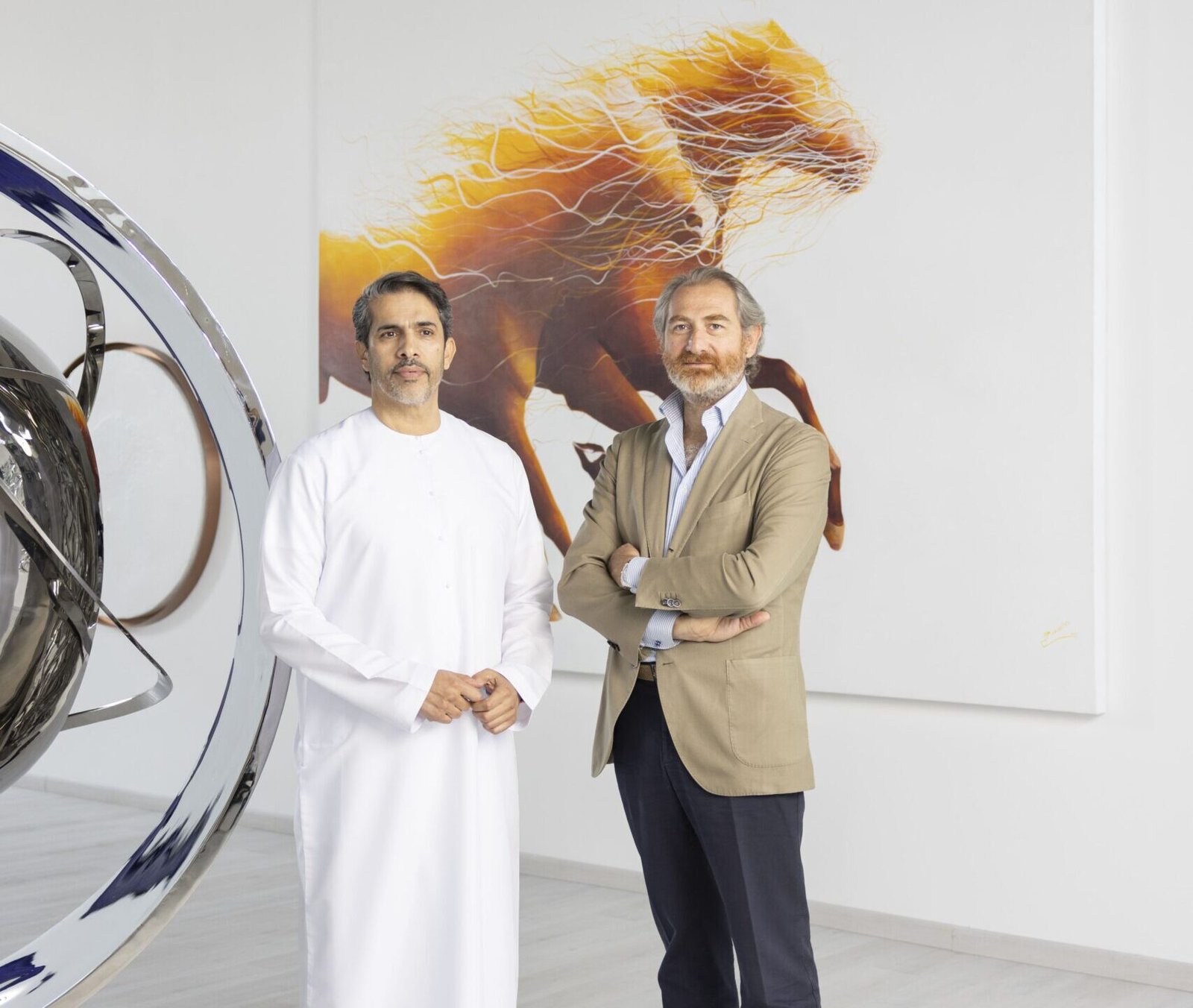
In the watch world, few designers have shaped a brand’s modern identity as profoundly as Fabrizio Buonamassa. Appointed Director of the Bvlgari Watches Design Center in 2007, the Neapolitan designer has spent nearly two decades refining the maison’s visual language, an alchemy of Roman geometry, Italian emotion, and contemporary engineering. His stewardship has given the world two of Bvlgari’s most defining pillars: Serpenti and Octo, each now synonymous with a certain kind of cultural precision.
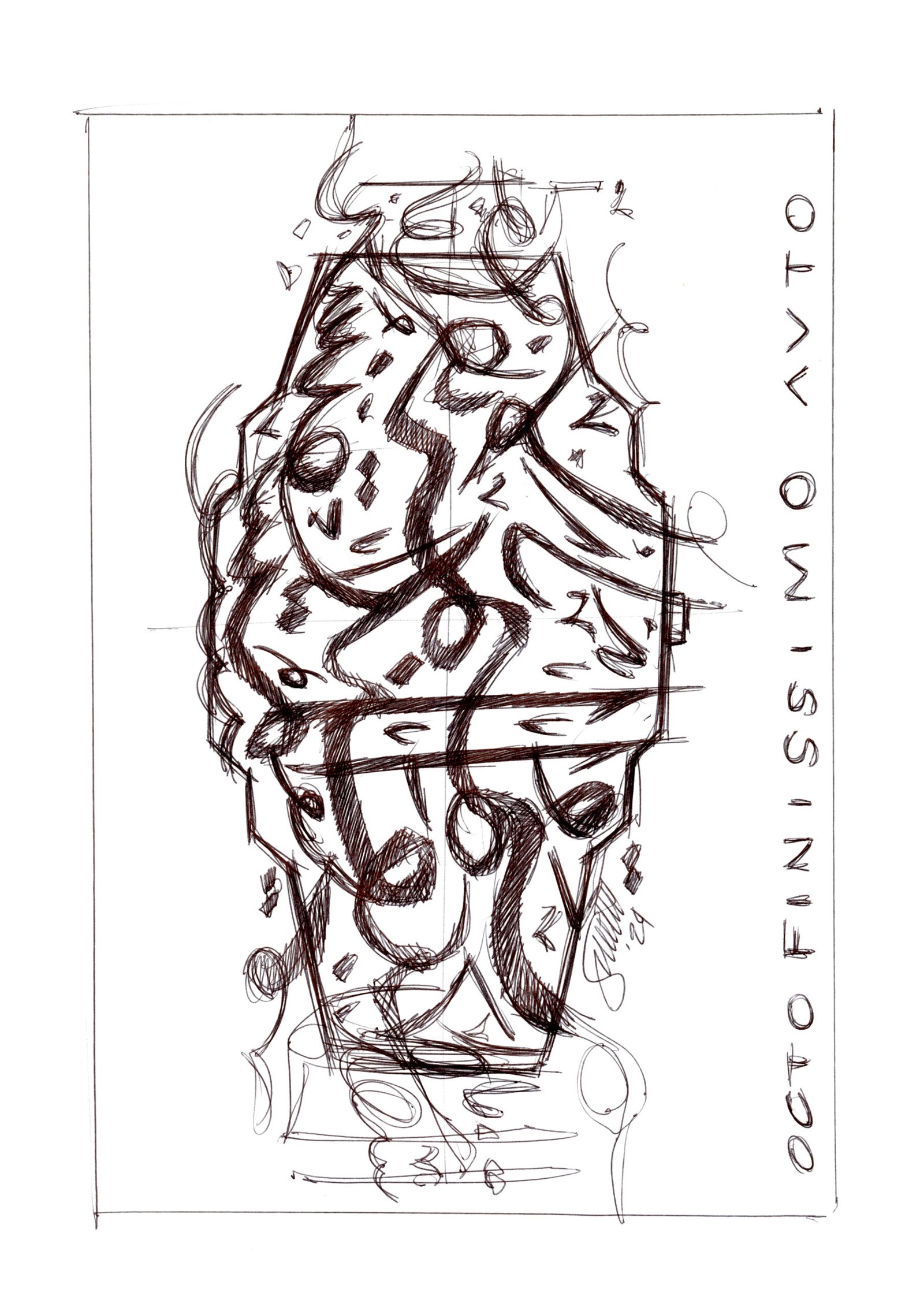
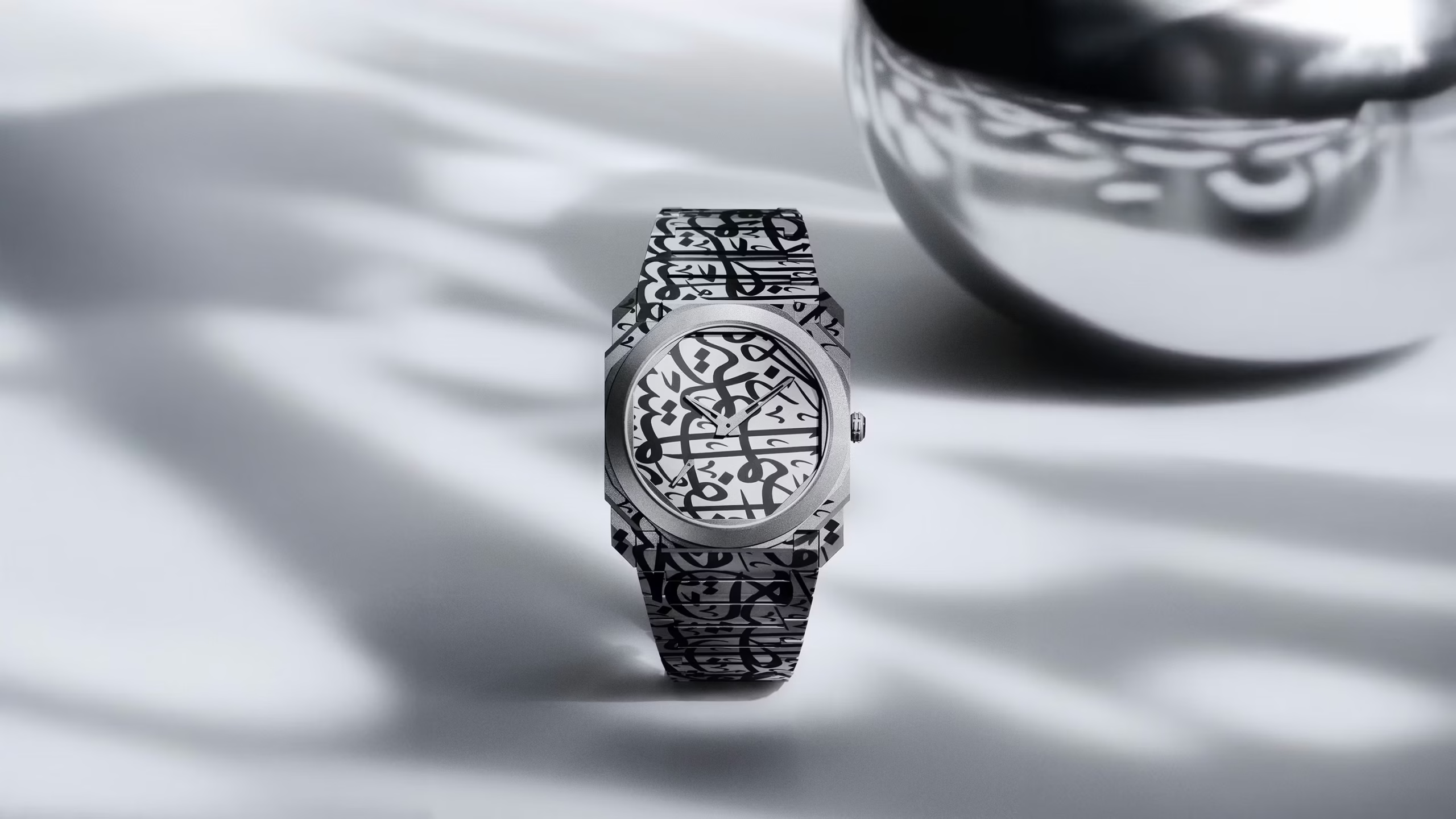
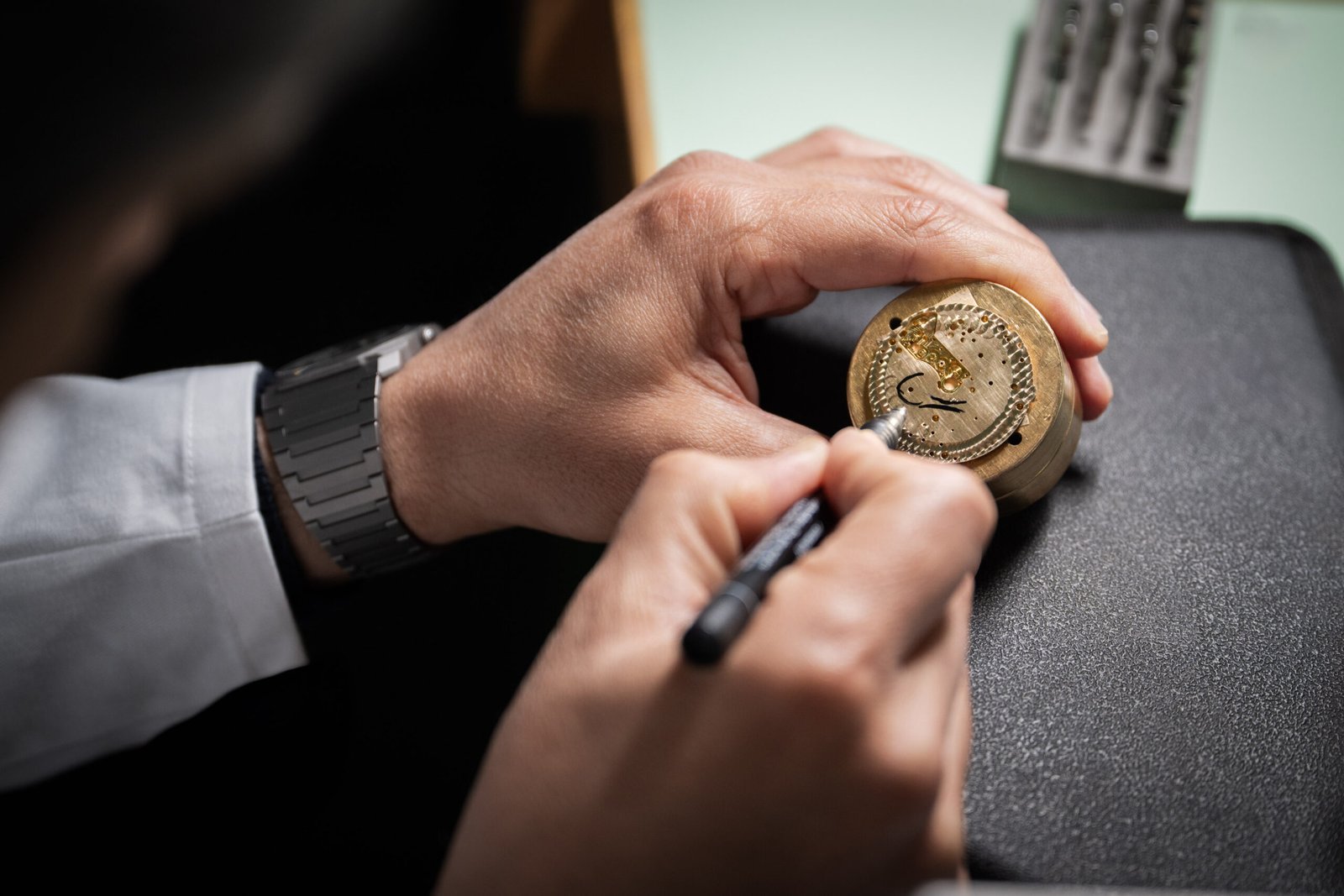
At Dubai Watch Week 2025, Buonamassa sits down with Eyes Arabia to unpack the philosophies behind his most defining works. The maison’s headline unveiling this year—an Octo Finissimo created with Emirati artist Mattar Bin Lahej—was easily one of the fair’s most compelling launches. Etched with Bin Lahej’s sweeping Arabic calligraphy, the watch reads like a cultural exchange rendered in titanium. “When I met Matar it was two years ago at Dubai Watch Week; we started to talk about the act of calligraphy,” Buonamassa recalls. That conversation set the foundation for a design dialogue between architecture and gesture. “The idea is that the Octo became a blank canvas…something everybody can recognise as an Octo watch, as a Bulgari product, but pays tribute to the local culture. When you see the tension between this kind of design and the smoothness of the curves… it’s really, really unexpected.”

For Buonamassa, design is not about protecting legacy but continuously reinterpreting it. He points to the Serpenti Tubogas—“maybe the most important one, that I designed 15 years ago”—and the Octo Finissimo, which “changed completely the perception of the Bvlgari brand,” as examples of the maison’s willingness to reinvent its codes. His creative world is built on curiosity, on finding elegance in both simplicity and risk. Yet his formative years of watchmaking has a humbler spirit of curiosity. A childhood memory of a watch worn by his grandfather sits alongside the moment that changed his career. “I was in Turin, I was a designer in Fiat Centro Stile, and one day I saw an advert for an aluminium watch… I decided to send some drawings to the design center. Bulgari made things in a different way… they created a new aesthetics. Twenty years later, I’m still here.”
Buonamassa thinks far ahead — concepts for 2027, movements for 2028 — yet his philosophy remains grounded in instinct. “You have to be able to anticipate trends, to not follow trends, to create trends…it’s all moving very fast these days” he says. As for the industry’s future, he avoids absolutes: “There are a lot of watches on the market for different tastes. Today there are very interesting brands that make interesting things, and micro brands that have the agility that the big brands don’t have anymore, so they can play with things in a different way”. What remains constant is Bvlgari’s commitment to shaping, not chasing, the rhythm of global aesthetics. In Fabrizio Buonamassa’s world, luxury is a living line: drawn, erased, redrawn across cultures, eras, and materials. It is not perfection that defines a legacy, but the momentum of imagination.